153 km of Turkish high-speed rail completed toward Bulgaria border
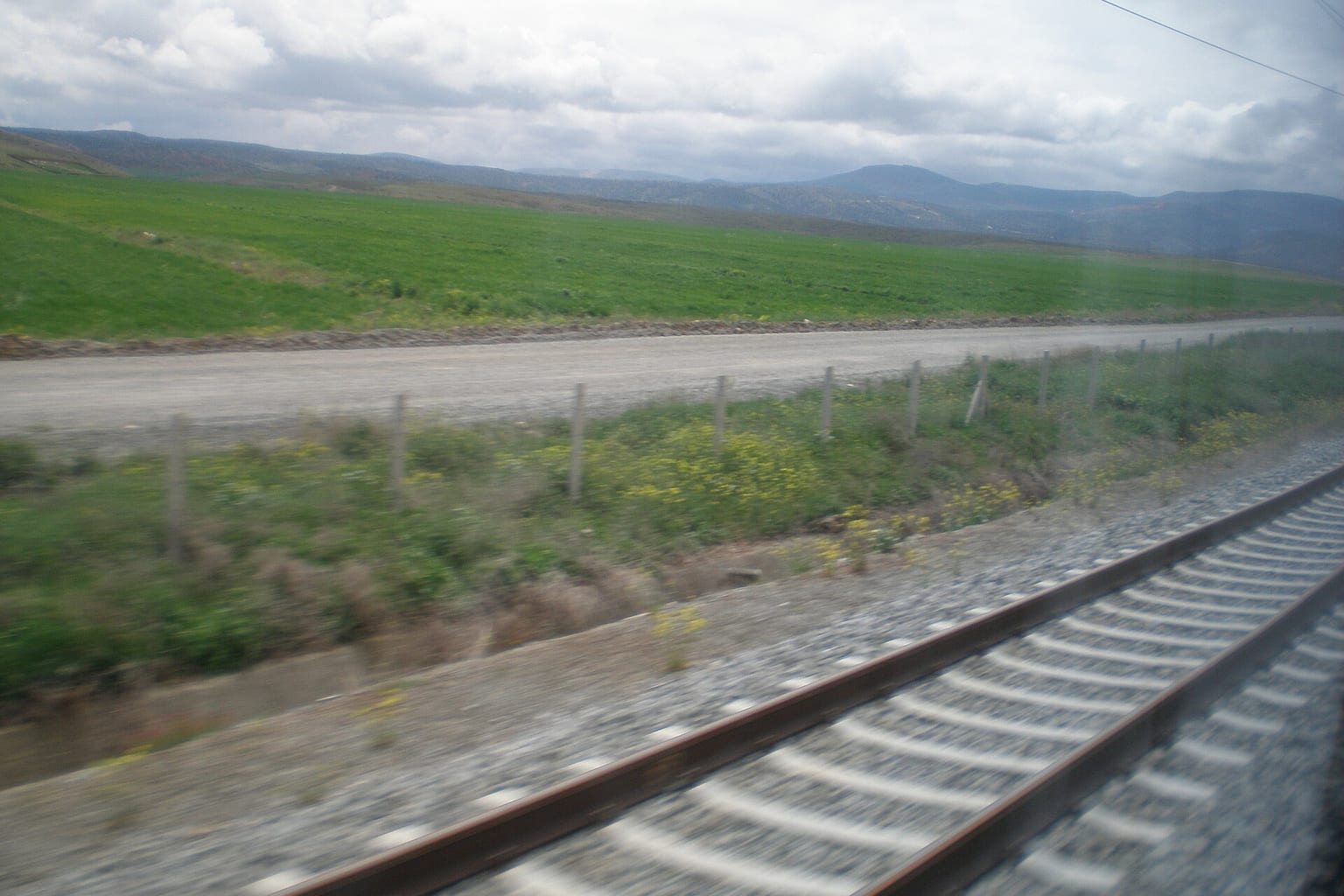
Between Çerkezköy and Kapıkule, the rail line now has its first completed stretch of high-speed track, running 153 km from the logistics district west of Istanbul to the Bulgarian border. The section was built by a consortium of Italy's Webuild and Turkey's Kolin Group for Turkish State Railways, and it is an electrified double track that lets trains travel at up to 200 km/h.
The line is the longest part of a 229 km route planned between Kapıkule and Halkalı, a transport hub on the European side of the Bosphorus. That remaining route is not yet complete. Kapıkule is a rail and road crossing near the Turkish city of Edirne, so the link reaches the Bulgarian frontier at the point where road and rail traffic already converge.
The direct gains are measured in hours. Passenger trips are expected to shrink from 4 hours to 1.5 hours, and freight transit from 8.5 hours to 3.5 hours. Each year, an estimated three million passengers would use the line, against 600,000 at present, and freight capacity is estimated to grow from 1.5 million to 9.5 million tonnes. These are estimates, and the report gives no date for when they will be reached.
The line is also part of the Middle Corridor, a route linking Asia and Europe through the Caucasus, the Baku–Tbilisi–Kars railway and the Marmaray rail tunnel beneath the Bosphorus. For freight operators moving goods between the two continents, a shorter and faster rail leg through Turkey is the change that matters most. Passengers between Istanbul and the Bulgarian border would gain the most time, but only once the remaining 229 km route is finished and passenger services begin, and the report gives no date for either.
Sources — read the originals(Paris time)
Read next
Comments
Loading the thread…
Sign in to leave a comment. Sign in