3D-printed tablet sends up to 75% of dose to colon
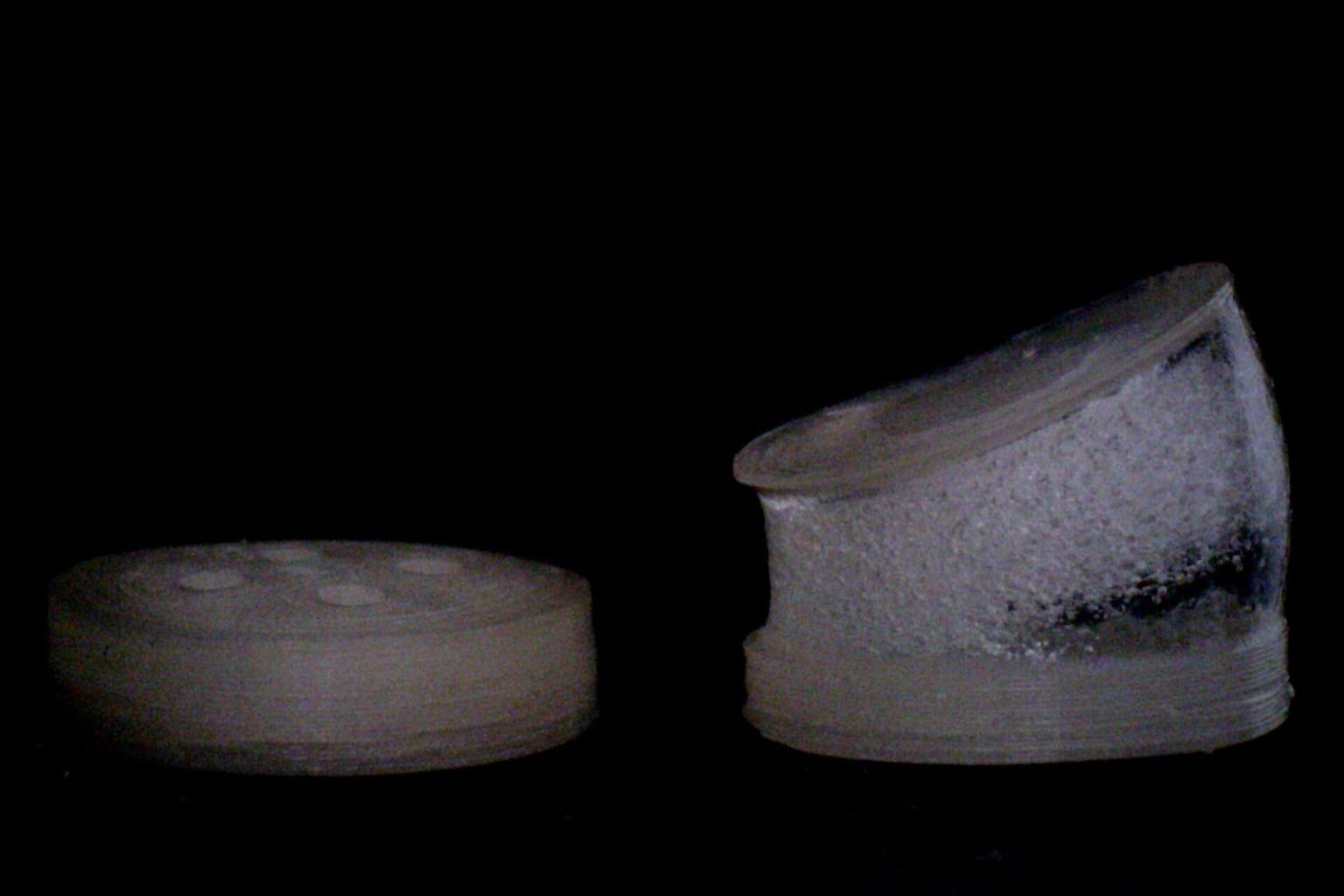
For a drug meant for the colon, the stomach is the first obstacle. In a 2023 in vitro study with budesonide, a commercial comparator released more than 90% of its dose before reaching a simulated colon. Toronto-based PharmaTher Holdings is now developing a different answer: oral tablets printed in 3D, with a drug core inside a pH-responsive shell built to resist stomach acid.
The technology, called CORR3CT, was developed by Craft Health, and in the same study it delivered up to 75% of the dose to the simulated colon. The core is printed on CraftMake systems, which use a semi-solid extrusion process. It works at room temperature, without heat or ultraviolet light, which matters for fragile molecules. "We built CORR3CT to put a dose where the disease is," said Dr. Wei Jiang Goh, co-founder and chief executive of Craft Health.
The regulatory frame is narrow. A U.S. Department of Health and Human Services policy lets qualified compounding pharmacies make six peptides, but only KPV and BPC-157 for oral use. Neither is approved by the FDA, the policy is interim, and the evidence is thin: KPV has been studied in mice, and BPC-157 has had early rectal use in humans. PharmaTher's lead target is left-sided ulcerative colitis. The 75% figure comes from budesonide, not from the peptides, so the peptide tablets have no comparable result yet.
PharmaTher, which is the exclusive North American distributor of CraftMake systems, says it wants to build niche, personalised peptide products rather than compete with large telehealth brands on commodity products. It also says it could print patient-specific strengths in small batches, and that its platform, called M3DICINES, could help healthcare partners add specialised peptide solutions to their existing portfolios.
What changes, if the approach holds, is the route to the colon for two peptides that have so far been given without a targeted form. For patients with left-sided ulcerative colitis, that would mean a dose released where the inflammation is, rather than earlier in the gut. The company has announced no launch date and no price, and the next step it names is the development of its KPV and BPC-157 products themselves.
Sources — read the originals(Paris time)
Read next
Comments
Loading the thread…
Sign in to leave a comment. Sign in