A Chinese plant stores power as squeezed air in rock caverns
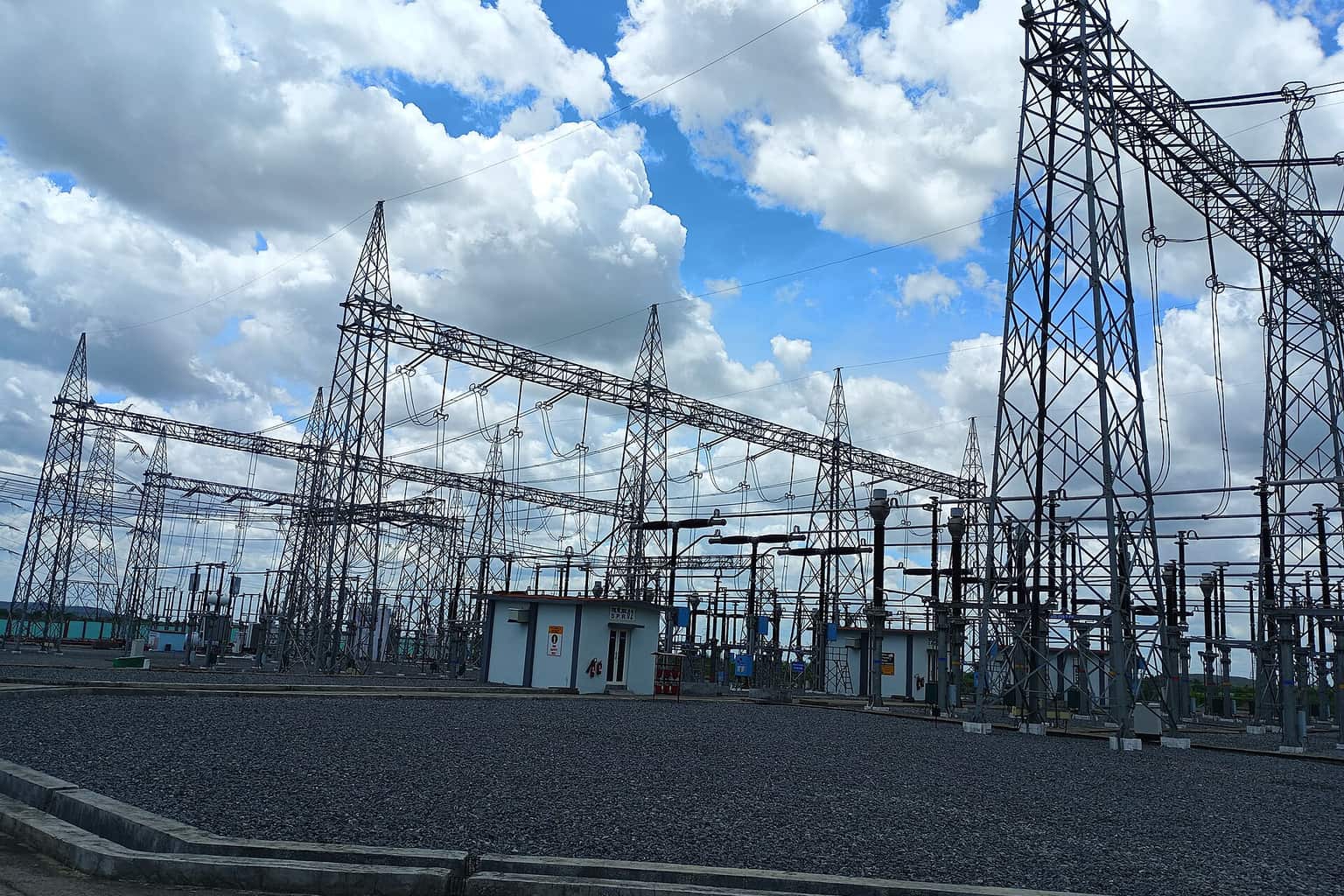
On a site in Yumen, in China's Gansu province, air is pushed into rock about 110 metres underground, and since 16 November it can come back out as electricity on the grid. The plant, Yuanchu No. 1, was connected to the grid for the first time that day. Its developer, China Energy Digital Technology Group, calls it the world's first grid-connected compressed air energy storage plant that uses rock caverns excavated for that purpose. Its rated output is 300 MW.
Yumen sits in the Hexi Corridor, a major wind and solar development region in northwest China. When those farms produce more power than the grid needs, the surplus is often available in off-peak hours, when demand is low. Yuanchu No. 1 is meant to absorb that surplus and return it when demand rises, which is why the plant is built for hours rather than minutes: it can discharge for six hours at full power. The developer projects about 600 GWh of electricity generated a year. For grid operators in a region where wind and sun are growing fast, that is power that can be stored and used later instead of being left unused.
The principle is simple. When electricity is cheap, it drives compressors that push air into a sealed underground space. When power is needed, the pressurised air is released through turbines, which generate electricity. The difficulty lies in heat: squeezing air warms it, and in older designs that heat was lost, so the air had to be reheated by burning natural gas before it expanded. Here, the heat from compression is recovered and stored, then used to warm the air on the way out, so no gas is burned. Earlier plants did burn gas. Germany's Huntorf plant, built in 1978, and the McIntosh plant in the United States, built in 1990, both relied on it.
The usual underground choice has been salt caverns, which are relatively economical but only exist where the geology allows. Digging chambers into hard rock and sealing them could broaden the choice of sites, though the developer's approach still depends on geological conditions and construction costs. The developer presents this as the first grid connection of the method, but it is not the first large project of its type: a 100 MW plant in Zhangjiakou, reported as commissioned in 2022, was described as the first large-scale plant of this kind in China.
The 72% round-trip efficiency, meaning the share of the electricity put in that comes back out, is the developer's own figure. No sustained operating data have yet confirmed it independently. It is in the range generally expected for this type of storage, which is about 70%, but it has not been measured over months of operation.
China already has at least six CAES projects of 100 MW or more connected to the grid, including a 600 MW salt-cavern station at Huai'an and a 700 MW project at Jintan. According to an October 2026 report by the Energy Storage Application Branch of the China Industrial Association of Power Sources, 13 projects are under construction, totalling 4.95 GW / 23.95 GWh. Industry figures cited in November put more than 36 GW of projects in preparation as of the first quarter of 2026, although many of them still depend on financing, geological assessments and commercial viability. One report dates the start of full operation to 21 November, five days after the grid connection.
For the grid operators of the Hexi Corridor, the immediate gain is storage for the surplus that wind and solar already produce. Whether the design can be copied elsewhere depends on three things the developer has yet to show over time: how the efficiency holds up across seasons, whether the sealed caverns keep their integrity, and what the plant costs to run.
Sources — read the originals(Paris time)
Pages consulted while writing
Read next
Comments
Loading the thread…
Sign in to leave a comment. Sign in