A drone flown by hand gestures and a vibrating belt
Flying a drone by hand means keeping your eyes on a screen, and that screen pulls attention away from the aircraft and the space around it. At Jeonbuk National University in South Korea, a team led by Professor Kee-Ho Yu of the aerospace engineering department has moved part of that information onto the body. The pilot wears a sensor on the back of the hand, and a belt with 36 vibration motors around the waist. In a paper published in IEEE Robotics and Automation Letters and put online on June 12, 2026, the team reports a feasibility result, based on one novice pilot.
The hand sensor reads gestures, and a computer interprets 12 gestures as drone commands. The reverse path is the part the team focuses on: the drone's telemetry is turned into vibration patterns that give direction, relative height and distance. Each cue is felt on the belt, so the pilot knows where the aircraft is without looking up. Earlier work had already paired a glove with vibrating units for drone teleoperation, but the Korean team stresses the link between the pilot's intention and the position information the belt returns. "The aim was to connect the user's intention with clear information about the drone's position," Yu said.
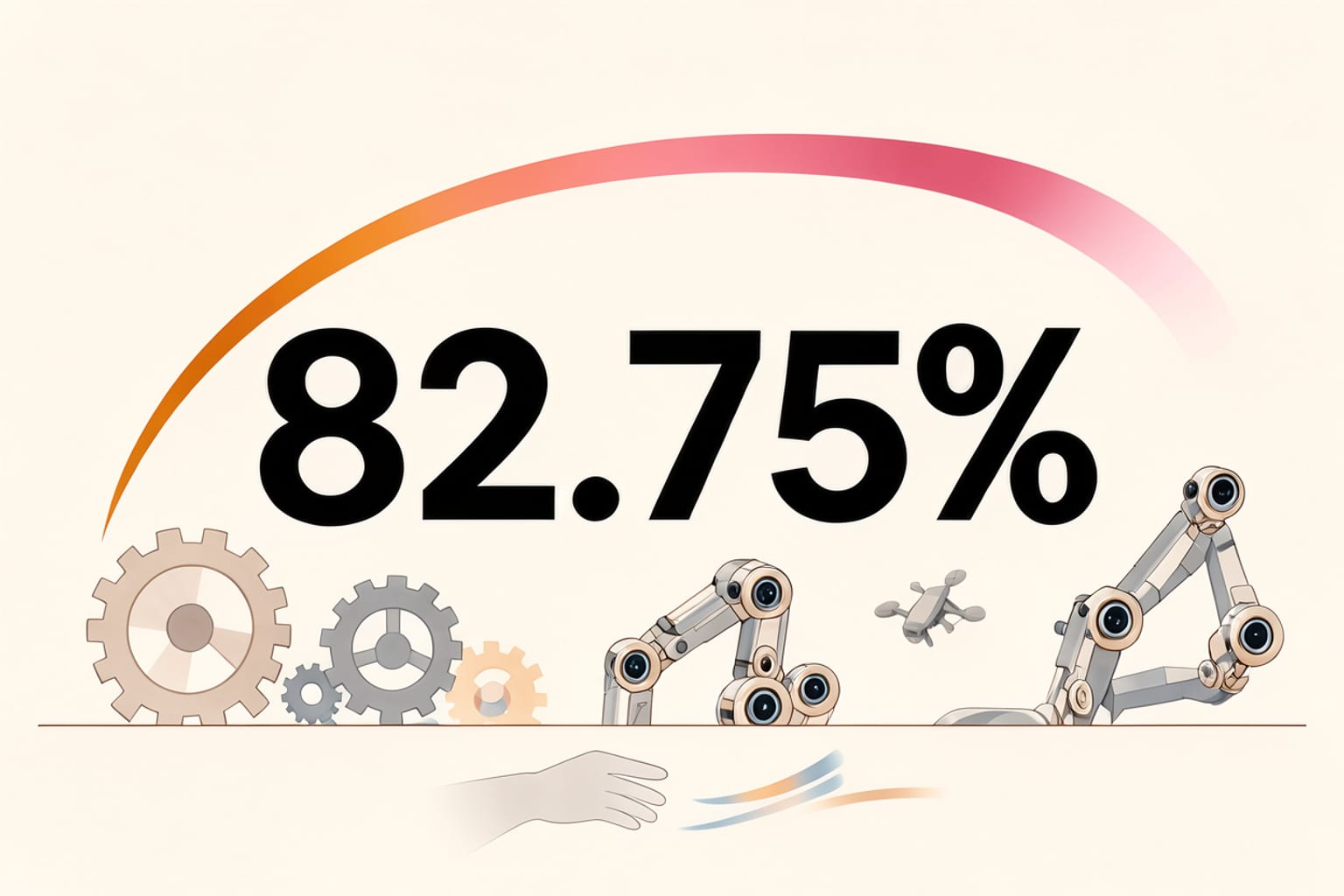
The numbers from the lab tests are solid for a first step. The gesture model recognised gestures with 97.58% accuracy. In a simulated waypoint task with 12 novice users, completion time fell from 263 seconds in the first trial to 186 seconds in the fifth. In the indoor study, participants identified direction, height and distance together in 82.75% of trials, with an average response time of 3.1 seconds. Direction was read more reliably than distance, which the authors identify as the most confusing cue.
The real-drone results are more modest, and the authors say so. A single novice pilot reached the target in 9 of 9 trials with visual feedback, in 31.4 seconds on average, and in 8 of 9 trials with touch alone, in 45.1 seconds on average. The same pilot brought the drone back to its target zone after eight boundary exits with vision and hearing blocked. Yu said the touch feedback "is promising, but the results also show where the system needs improvement, especially in communicating distance and reducing response delays." Inspection, search-and-rescue support and training are the uses the team names, where an operator must watch the surroundings rather than a screen. None of them was tested. The next steps the authors name are larger studies in varied outdoor conditions, along with better distance cues, faster responses, more comfort and more safety before any practical deployment.
Sources — read the originals(Paris time)
Pages consulted while writing
Read next
Comments
Loading the thread…
Sign in to leave a comment. Sign in