A drug extends survival of infants with a fatal brain disease
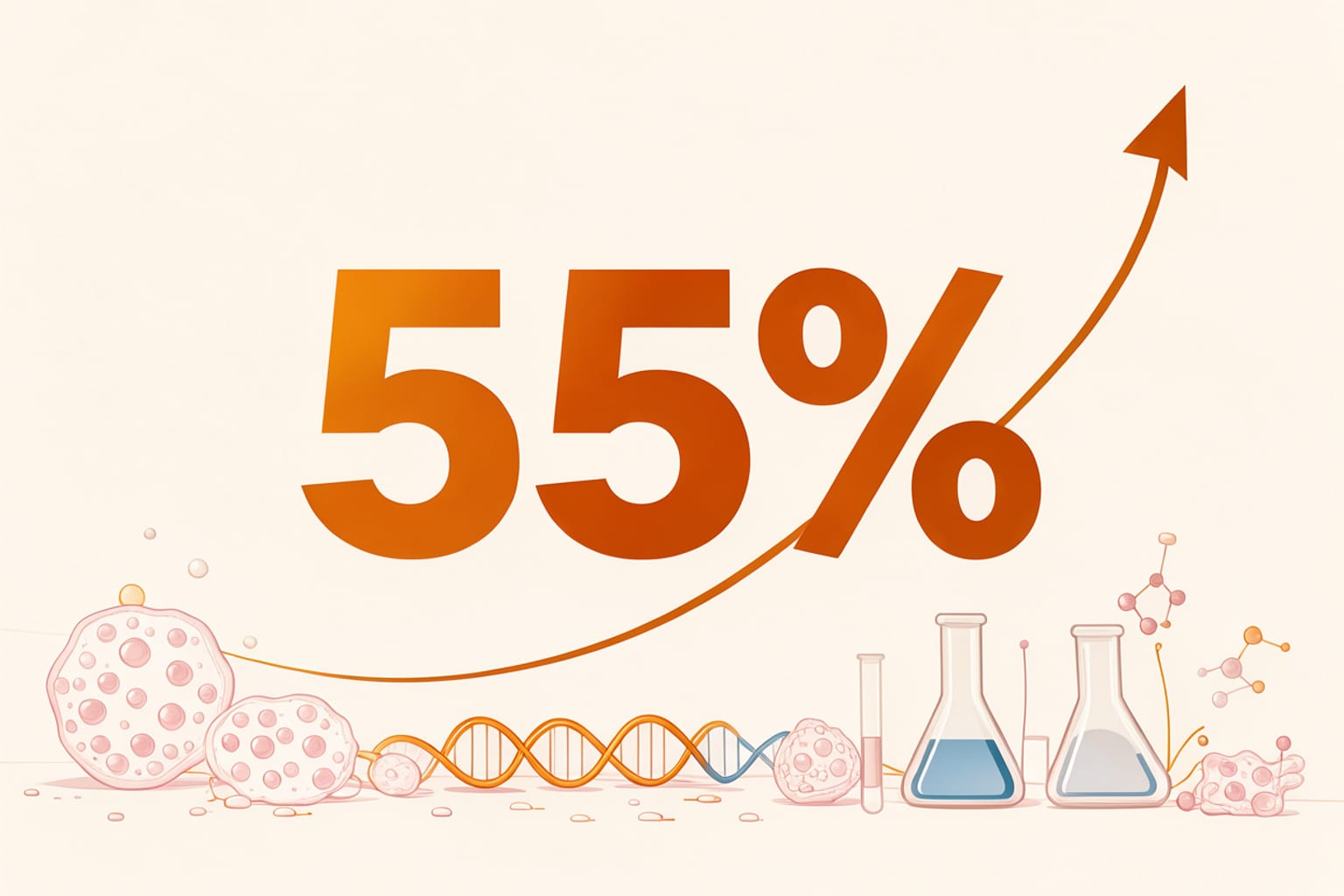
Until now, no treatment had been shown to keep infants with Niemann-Pick type C alive longer. On November 17, 2026, the U.S. Food and Drug Administration (FDA) approved one: adrabetadex, sold as Lembaz, a cyclodextrin-based drug developed by Beren Therapeutics of Thousand Oaks, California, with researchers at the National Institutes of Health (NIH). In a large international trial, treatment was associated with a 55% reduction in the risk of death, compared with matched patients outside the study.
Niemann-Pick type C (NPC) is rare, and it moves fast. A mutation in the NPC1 gene leads to a shortage of a protein that carries lipids and cholesterol through cells. Without that transport, these substances build up inside the cells, and the nervous system declines. Children often fall behind on developmental milestones first, then lose cognitive function in a way similar to dementia in older adults. Half of cases are identified before age 10, and the earliest cases, found before age 2, have the worst outcomes.
The drug is aimed at that exact defect. Cyclodextrin is the molecule family behind Lembaz, and according to FiercePharma, it is the first medicine shown both to improve survival in infants with the disease and to target cholesterol transport.
The road was long. In 1997, NIH researchers located the mutation on chromosome 18. In 2006, a natural history trial began following children with NPC under NIH's Bench-to-Bedside program, and Forbes D. Porter, head of a section at the National Institute of Child Health and Human Development (NICHD), obtained FDA permission to start an early-phase trial at the NIH Clinical Center. In 2016, a cooperative research and development agreement with several companies supported late-phase trials across multiple sites and countries. That later, larger stage showed positive biomarker data, meaning measurable biological signals, but it did not meet the clinical outcome measures needed for approval.
The breakthrough came from looking again at survival. Working with Beren and with Dr. Elizabeth Berry-Kravis of Rush University Medical Center in Chicago, the team analyzed survival data and found longer survival among people with infantile-onset disease. Data from NIH's natural history and therapeutic studies were critical to that analysis. 'Behind every new treatment are years of foundational science that few people see,' said NIH Director Jay Bhattacharya. 'For a disease as complex and devastating as Niemann-Pick type C, there was no shortcut.'
The approval is narrower than the trial's first target. Lembaz is the only one of the three NPC treatments approved on survival data; the two earlier ones were cleared on other data. Pharmacy Times stresses that hearing monitoring matters as much as the survival data. The approved use covers adults and children weighing 7 kg (about 15 pounds) or more.
For families, the change is counted in time. Porter put it this way: 'Giving families more time together, in the face of this terrible disease, exemplifies the incredible work carried out at NIH.' The approval does not end the search. The team says it hopes the work will, one day, lead to a cure.
Sources — read the originals(Paris time)
Pages consulted while writing
Read next
Comments
Loading the thread…
Sign in to leave a comment. Sign in