A lab-grown human muscle reproduces aging, without animal tests
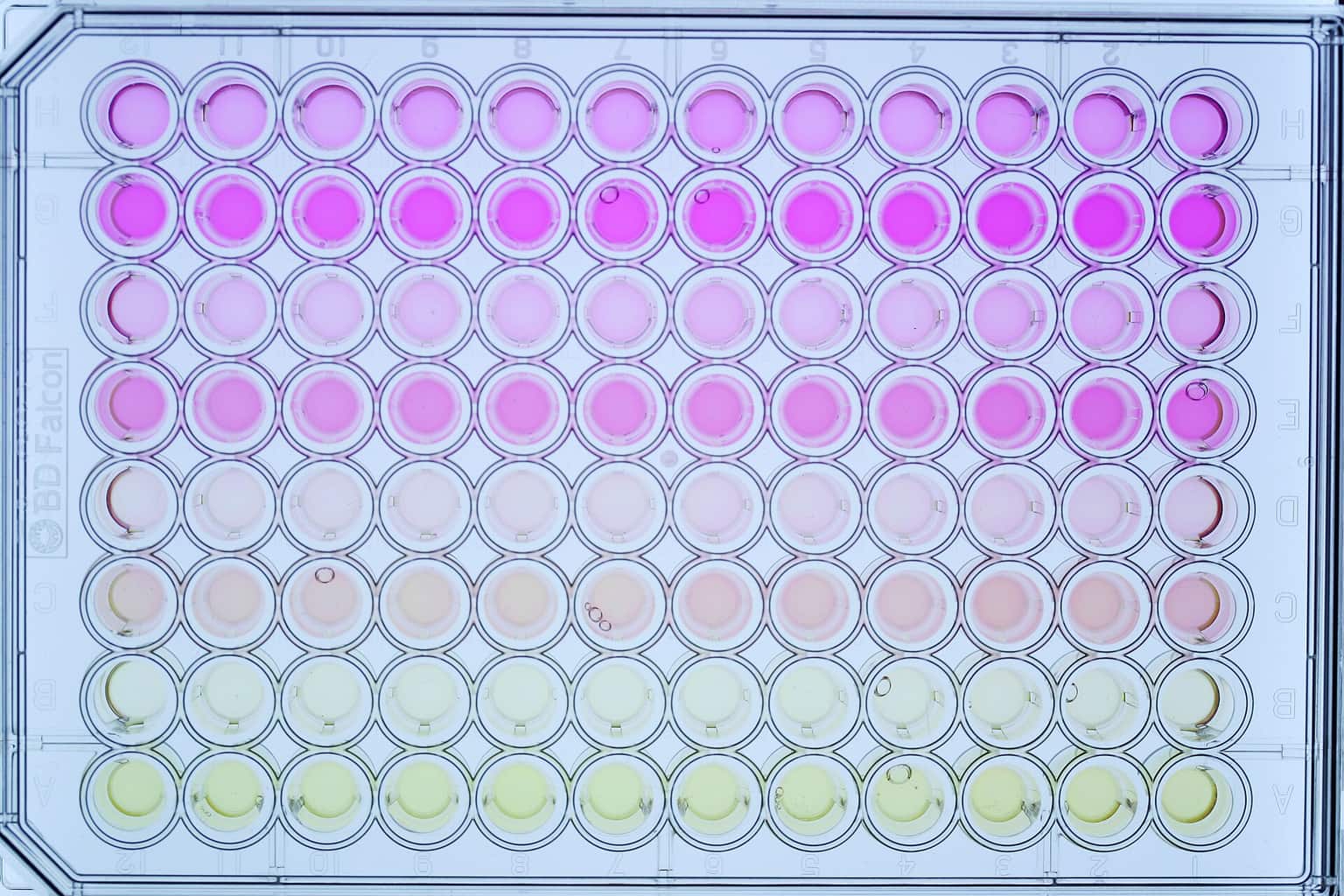
In a tiny 3D-printed mold, human muscle cells mixed with a scaffold begin to line up in one direction, the way fibers run inside real muscle. Such a culture can now show what the older donor's muscle looks like at the cellular level, and how weak it becomes when it is stimulated electrically.
Sarcopenia, the progressive loss of muscle mass and function with age, reduces mobility and severely undermines quality of life in old age. Studying it has been difficult. Animal models differ substantially from humans, and cells grown on flat, two-dimensional dishes cannot reproduce the three-dimensional movement and contraction of real muscle. The team, led by Minseok S. Kim of DGIST's Department of New Biology with Dong-Woo Cho of POSTECH's Department of Mechanical Engineering, tackled both problems at once. They mixed muscle cells from a 17-year-old and a 68-year-old man with a decellularized extracellular matrix, a tissue scaffold from which the original cells have been removed, and cultured the mixture into 3D muscle microtissues.
The comparison is the heart of the study. Tissue made from the older donor's cells had thinner muscle fibers, less cell fusion and higher inflammation than tissue from the younger donor. Its mitochondria, which produce cellular energy, worked less well, its calcium responses that trigger contraction were delayed, and its contractile force under electrical stimulation was significantly reduced. The authors say this shows that the human aging process was reproduced faithfully in the tissues, and that the platform captures structural, molecular and functional changes within one experiment. The study, published in Small Science, rests on two donors, and the researchers report no further donors or treatments tested.
The timing matters for a second reason. The US Food and Drug Administration (FDA) has recently revised its framework under the FDA Modernization Act 2.0 so that drug approval applications can be submitted without animal testing. A model that reflects human physiology is therefore a candidate for the kind of testing that regulators are now willing to consider. For patients, that would mean treatments for sarcopenia could be screened on human cells before reaching clinical trials, though the study does not show this has happened.
Kim's team wants to turn the model into a standing research tool, for identifying what drives muscle aging and for validating whether candidate therapies work. The study does not give a timeline for that work, and the next step will be to show the model can answer these questions on more donors and more compounds.
Sources — read the originals(Paris time)
Read next
Comments
Loading the thread…
Sign in to leave a comment. Sign in