A new model maps where empty container trucks drive in Sweden
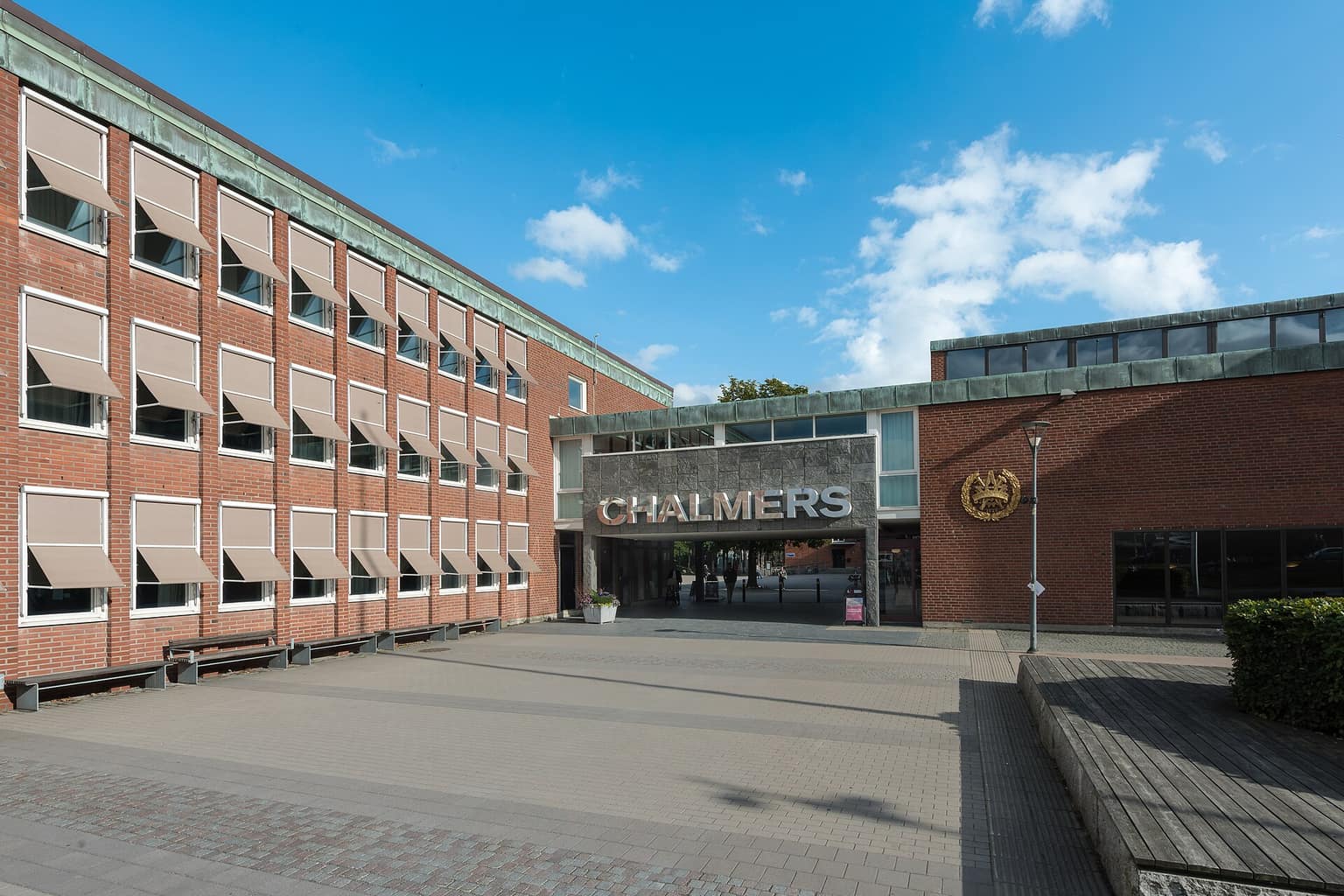
Nearly half of the container trucks on Swedish roads drive with nothing in the box. Researchers at Chalmers University of Technology analysed Swedish freight traffic from 2016 to 2019 and found that 44% to 46% of all truck trips with containers took place empty. Those empty runs accounted for about a third of the total mileage of freight traffic.
The problem starts after unloading. Containers move between ships, trains and trucks, and once emptied there is not always new cargo nearby, so the box has to travel again before it can be used. Road transport was the largest source of emissions in a sector that accounted for around 15% of world greenhouse gas emissions in 2019. Each of those trips uses fuel, road capacity and working hours, as Violeta Roso, associate professor at Chalmers, puts it.
What the Chalmers team has added is a way to see where those trips begin and end. Its models weigh the origin and destination of each trip against the industry it serves, and estimate the chance that it runs empty. Geography turned out to matter more than industry: about 77% of empty trips took place within the same region. In Blekinge, Västra Götaland, Skåne and Kalmar, trips were less likely to be empty when they started there and more likely when they ended there, and all four counties host major ports where imports exceed exports. Empty trips were also significantly shorter than loaded ones, a sign that trucks are often redirected to limit the distance they cover empty.
For port regions and the companies that move boxes, the gain is a map of where to act. The models can point efforts toward port regions or particular industries. According to the study, trucking companies could improve the planning of return loads, and shipping companies could share more information about available containers and where they are needed. The data behind the work date from 2016 to 2019, so the picture predates the publication in 2026.
Matching an empty container with return cargo is not always possible: goods may not be available in the right place or at the right time, and the box may be the wrong size, in poor condition or lack the right equipment. Ownership and contract terms can also block other parties from using it. The researchers say the method can be applied in more countries to measure empty container movements and identify the factors behind them, a step Roso sees as one toward cutting the transport sector's climate impact beyond Sweden.
Sources — read the originals(Paris time)
Read next
Comments
Loading the thread…
Sign in to leave a comment. Sign in