A one-legged robot now hops on ice and sand
On sand, the old Hopcopter sank. Its single large foot would dig in and stop the robot dead. On ice, the foot slid and the machine lost its balance. Those were the two failures that a team at the University of Toronto set out to fix, and the answer is a new foot pad.
The pad is built to handle the ground it lands on. It spreads the robot's weight over a wider surface, much like a snowshoe keeps a walker from sinking into snow. A spherical joint lets it tilt in any direction to match the slope it meets, and a series of rubber bands snaps it back into position after each hop. Short spikes on the underside add traction, like the crampons ice climbers strap to their boots. The design keeps the robot's centre of mass high above the ground, which the researchers say makes it easier to model and control than other hopping robots.
The approach comes from the team's lab, the Convergent Locomotion, Intelligent Mechanisms and Bio-inspired robotics lab, known as CLIMB, led by Professor Pakpong Chirarattananon. Its starting point is nature. Birds, he notes, are not constantly in the air: they perch, rest and hop along the ground, saving energy for the moments they need it. Drones lack that frugality. They are cheap and fly over any terrain, but they carry little and their range is capped by fuel. Wheeled and legged robots carry far more, yet they cost much more and do not always cope with rough ground. The Hopcopter aims at the space in between.
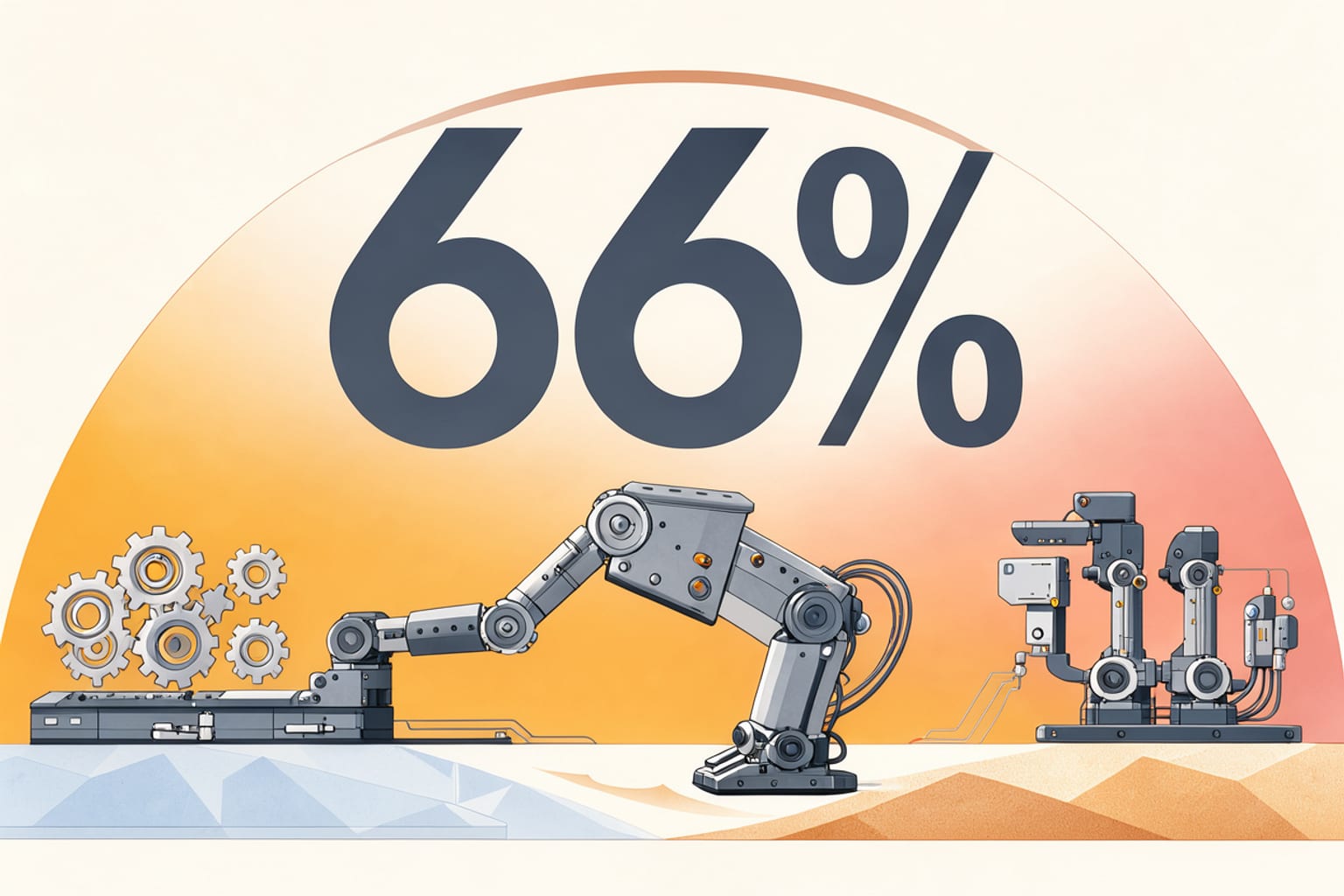
The measured gains are substantial. The paper reports takeoff error reduced by up to 66%, efficiency improved by up to 64%, and performance variation across terrains reduced by 84%. In the team's words, the robot now performs almost as well on difficult ground as on smooth ground. These figures come from the team's own laboratory tests, and bringing the robot into real conditions is the step that remains.
For search-and-rescue teams and operators of pipelines or mines, the promise is a robot that can land and hop where wheels stall and drones run out of range. The team plans to add autonomous navigation before taking on larger challenges. Chirarattananon calls the foot improvement the point at which the robot can leave the lab, and his longer ambition, exploring Mars, rests on the same idea of a machine that carries more than a drone and goes where wheels cannot.
Sources — read the originals(Paris time)
Read next
Comments
Loading the thread…
Sign in to leave a comment. Sign in