A shared recipe lets labs study the thymus's rare cells
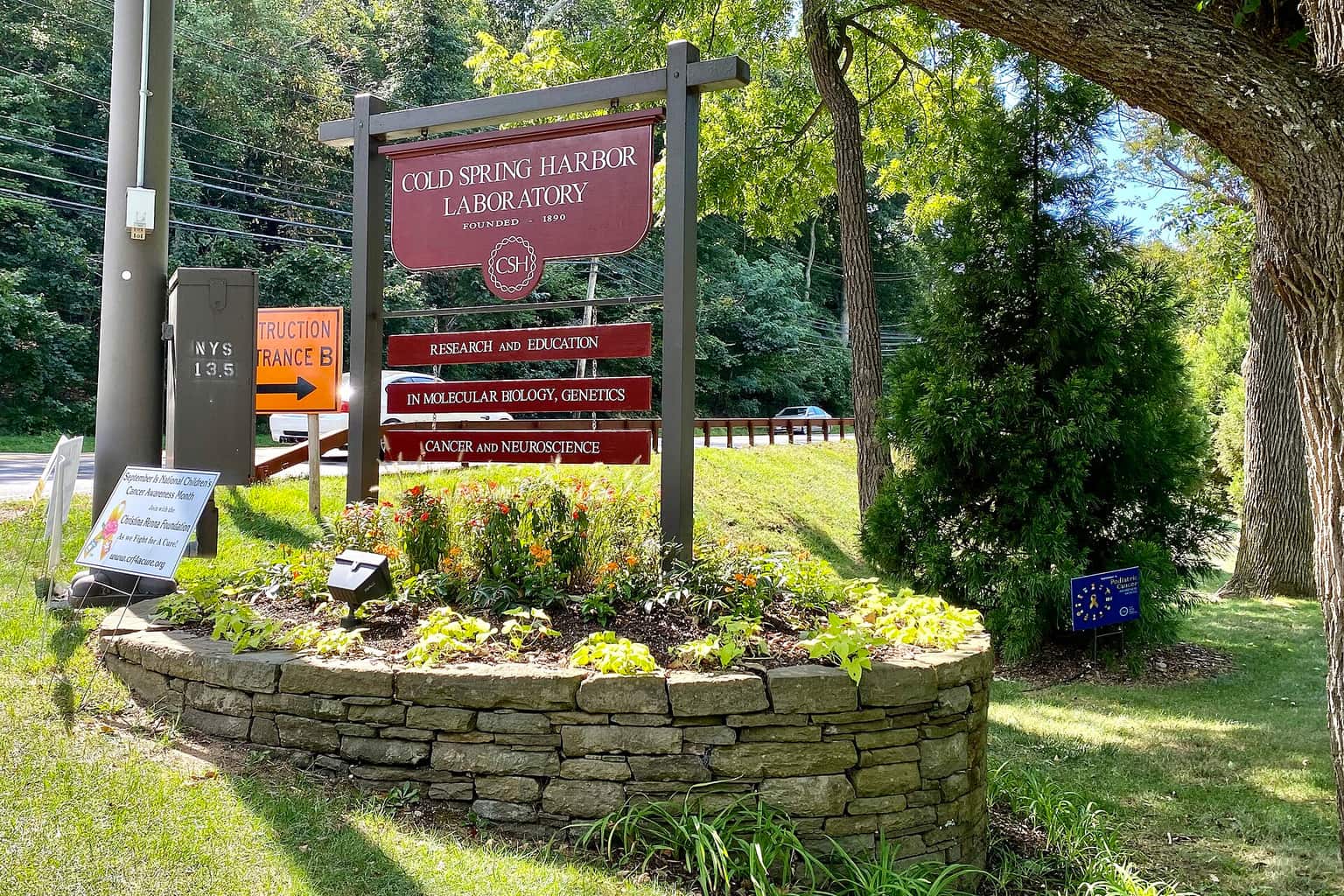
Every immunology lab has its own recipe for pulling apart the thymus, the gland deep in the chest that trains immune cells. Hannah Meyer's team at Cold Spring Harbor Laboratory has now published a standard: a method, and a panel of seven markers that any lab can adopt, to isolate the gland's rare "teacher" cells.
Those teachers are thymic epithelial cells, or TECs. They instruct the immune T cells to attack foreign invaders while sparing healthy tissue, yet they make up less than 1% of the gland. They are also sticky. Labs have no single way to free them from the surrounding tissue, so each group chops the organ into its own mix of enzymes and sorts the cells with its own labels. "Even if we use the same reagents, we just can't reproduce the result," Meyer says.
Starting from 15 human thymus samples, the team measured how much tissue is needed for an accurate analysis, tested several enzyme recipes and determined which labels best distinguish cell types. The output is the seven-marker panel. With this method, the team identified a distinct population of TECs. The dataset, from three donors, and the analysis code are also published online, so other groups can check the work themselves.
For researchers, the gain is comparability: a result obtained in one lab can be tested in another. Thymic dysfunction is linked to numerous diseases, from type 1 diabetes to arthritis, and a lack of standard methods has long slowed the research. Meyer argues that understanding the molecular basis of the gland could help understand its regeneration and improve health outcomes. The study is a method paper. It reports no treatment, and the team gives no timetable for clinical use.
The next step the team names is adoption. It urges immunology labs to take up these protocols so the scientific community can collaborate more effectively, and it says the approach extends to clinical labs.
Sources — read the originals(Paris time)
Pages consulted while writing
Read next
Comments
Loading the thread…
Sign in to leave a comment. Sign in