A single gene may explain autism's sex gap, in lab cells
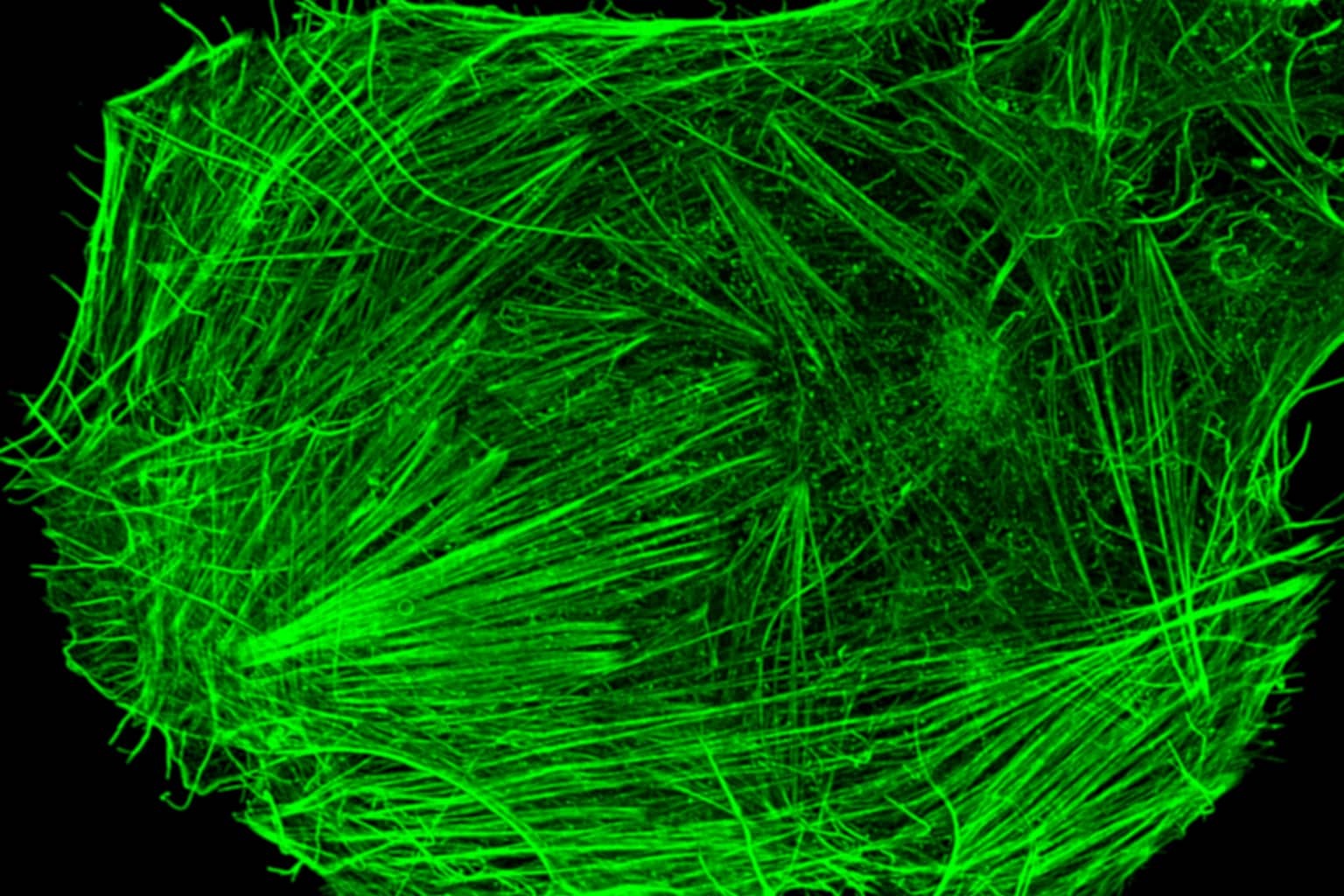
Boys are diagnosed with autism three to four times as often as girls, and for years that gap has resisted explanation, because the genes linked to autism are not confined to either sex. A study led by researchers at Boston Children's Hospital, published in Nature, points to a single gene that may account for part of it.
The team worked with lab-grown cultures of progenitor cells, the cells that give rise to neurons. They lowered the activity of a number of individual autism-associated genes, one at a time. Each disruption repeatedly quieted the same group of other genes: 27 other autism-linked genes became less active in at least 10 of the team's experiments. Follow-up tests on brain organoids, clumps of lab-grown brain tissue, backed up this pattern.
Mapping these connections pointed to ZFX, a gene on the X chromosome that encodes a protein helping to switch on many autism-associated genes. In most cells, one of the two X chromosomes is naturally silenced. ZFX is an exception: it typically stays active on both copies. In female brains, that extra activity could help keep the network running when other genes are disrupted. The Y chromosome carries a similar gene, ZFY, but its effect as an activator is weaker, which could help explain the difference between the sexes. The researchers also reanalysed existing gene-activity data from donated brain tissue and found reduced ZFX activity in excitatory neurons from autistic males.
The result is a lead, not a proof. The experiments used a single male-derived stem-cell line, and the study does not show that ZFX alone provides the protection. Other explanations remain open: earlier work has linked autism diagnosis in girls to diagnostic bias and to different ways of presenting, including camouflaging, and other studies have pointed to steroid hormone activity and to hormone-mimicking pollutants. The research was also funded by a postdoctoral fellowship from Autism Speaks, an organisation whose history is contested by some neurodiversity advocates.
What changes, for now, is the research agenda. Comparing cells from men and women, and testing whether extra ZFX activity offers measurable protection, is the next step the findings call for. If that holds, the gene could help researchers understand why the same genetic risks produce different outcomes in boys and girls, long before any clinical use is in view.
Sources — read the originals(Paris time)
Read next
Comments
Loading the thread…
Sign in to leave a comment. Sign in