A stamp-sized lab chip rebuilds tumors with nerves and blood vessels
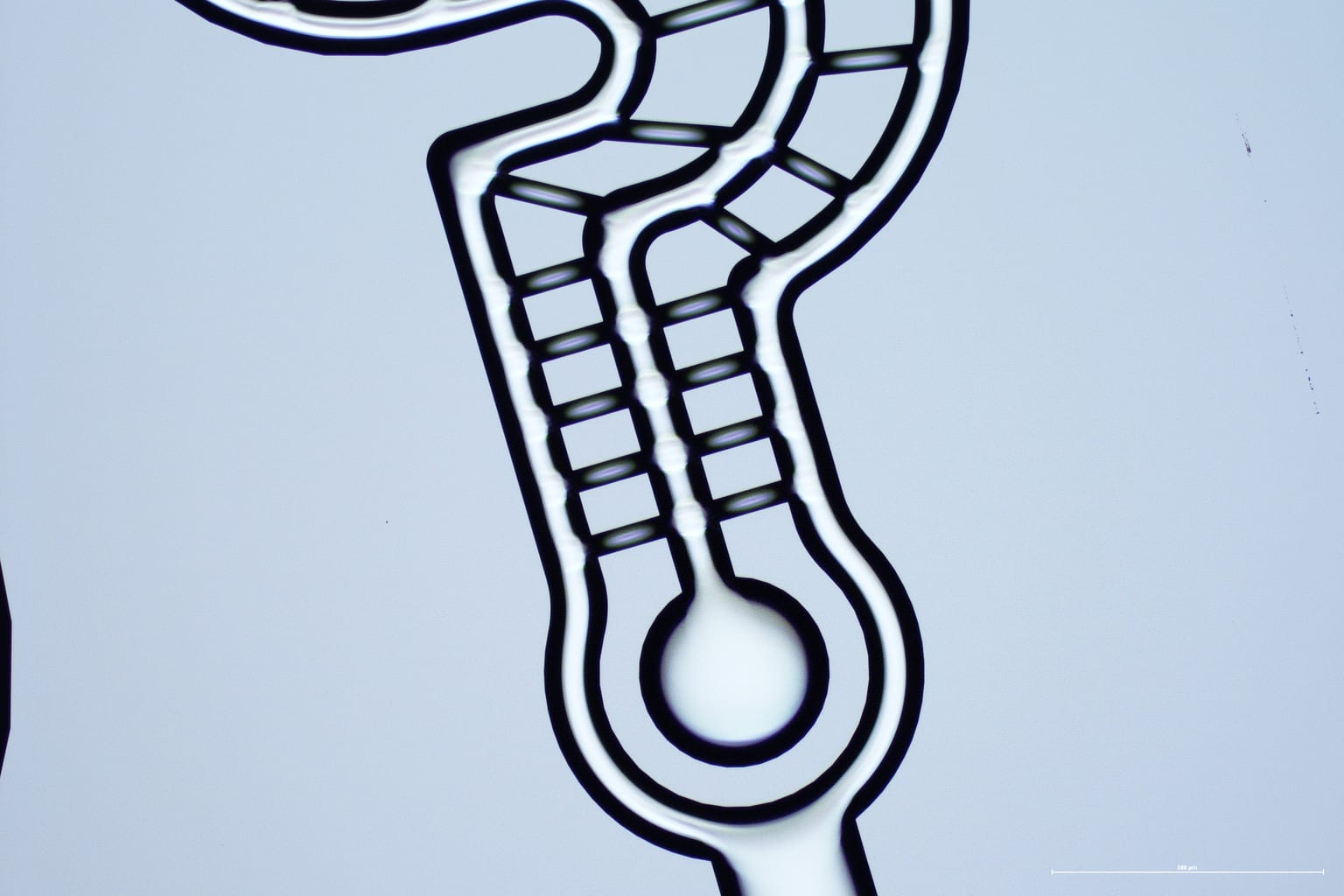
A tumor is never just a clump of cancer cells. In the body, solid tumors grow in close contact with blood vessels, nerves and surrounding tissue. Researchers at Linköping University in Sweden, working with colleagues at Politecnico di Milano in Italy, have now reproduced that environment on a chip the size of a postage stamp. The device is an organ-on-a-chip, a system that copies basic organ functions outside the body. Their model of head and neck cancer, published in the journal Proceedings of the National Academy of Sciences, shows that the concept works.
The team began with the scaffolding around the cells. In the body, cells sit in the extracellular matrix, a network of proteins and carbohydrates. The researchers built a material that imitates it, based on hyaluronic acid, collagen and laminins, all key components of that network. The choice mattered: the composition of the material changed how cancer cells behaved and how they responded to chemotherapy, which the authors say makes the matrix an important factor in any model of human disease.
Next, the team added blood-vessel-like structures. Vessels feed tumors and are their most common route to other parts of the body. The cancer cells moved rapidly toward the nearby vessel and invaded it, the first step in tumor spread. The researchers then ran cisplatin, a medicine commonly used for this type of cancer, through the vessels. The surrounding material again changed how effectively the drug killed the cells.
The last piece was the nerves. From stem cells, the team recreated trigeminal ganglia, the starting point of the nerves that carry sensation and pain in the mouth and face. Within a few days, the nerves had grown around the tumors. The result cuts both ways: tumors in contact with nerves were less likely to invade blood vessels, yet they grew larger. “Our model enables us to study nerves as an active component of the tumor microenvironment,” says Pierfrancesco Pagella, the senior associate professor who led the study.
For researchers, the gain is a single controlled system in which each factor can be isolated. Pagella said the aim is to run tests “in a single microsystem in the laboratory” rather than rely only on animals or human trials. The team believes the model could be adapted to other solid tumors where surrounding tissue matters, and that it could eventually help screen drugs and test treatment response. Those uses remain goals: the results come from a laboratory model built by the authors, and the team gives no timeline for them.
Sources — read the originals(Paris time)
Pages consulted while writing
Read next
Comments
Loading the thread…
Sign in to leave a comment. Sign in