Adding wind to solar and batteries cuts firm power costs 18% in models
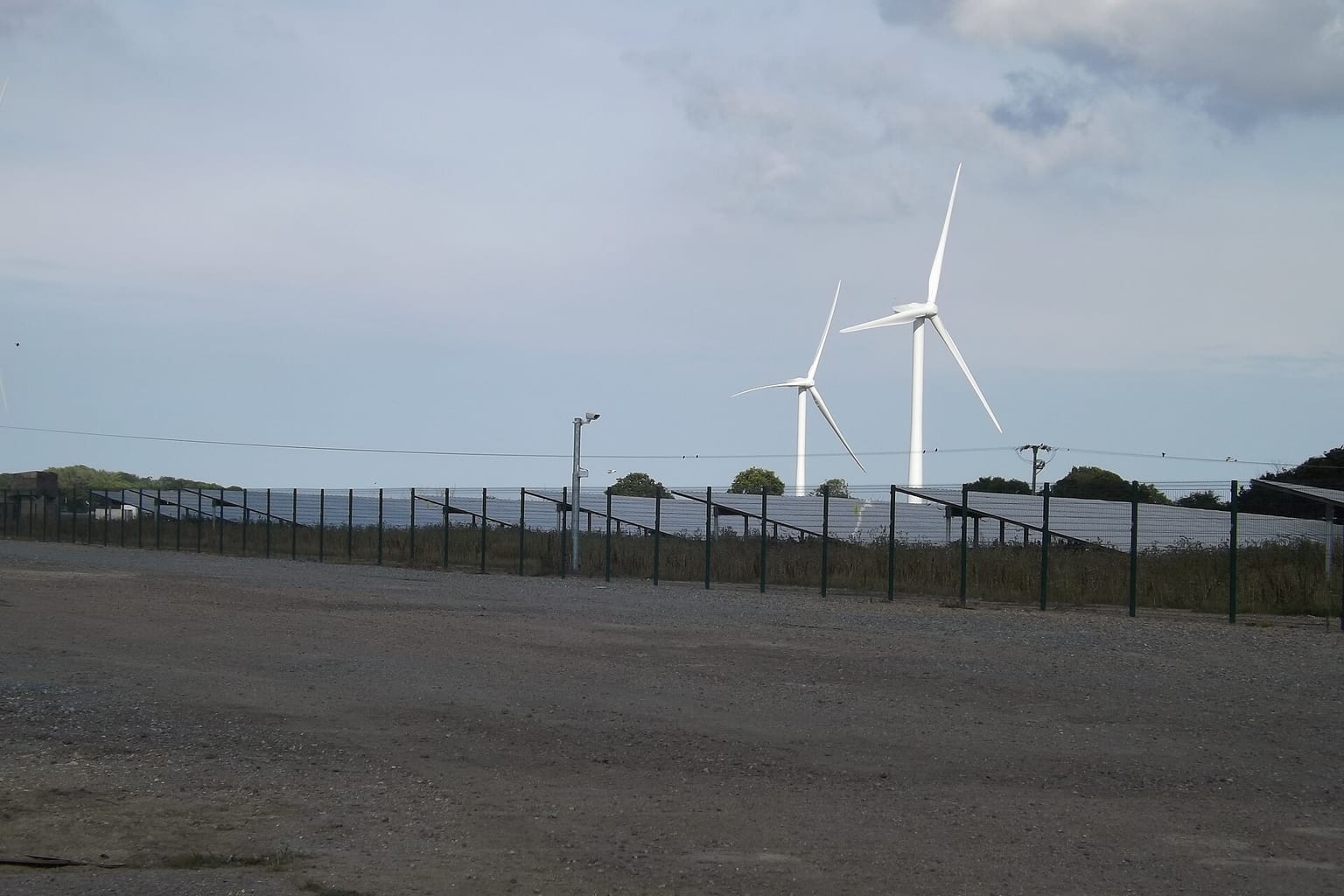
A renewable grid built on solar and batteries has a weak spot: long stretches of weak sunshine, which force operators to store large amounts of electricity. Ember, an energy think tank, has now tested what happens when wind joins the mix. In its model, built on ten years of hourly weather data from 2015 to 2024, adding wind cuts the median cost of meeting 90% of electricity demand from $105 to $86 per megawatt-hour (MWh), a reduction of 18.1%. The analysis was produced with the Global Wind Energy Council (GWEC).
The reason lies in timing. Solar and wind output vary by time of day and across seasons, so one often covers the other's shortfalls. Storing enough electricity to get through a long run of weak solar output is what makes the system expensive, and wind reduces how much storage is needed in the first place. In the US, the modelled battery requirement to meet 90% of demand falls from 20 hours of electricity use to 12 hours. Europe sees the same drop, and China's falls from 18 hours to 12. Ember's Daan Walter, a principal at the think tank, put it plainly: "By combining solar, wind, and batteries, we can deliver reliable power at remarkably low costs almost everywhere in the world."
The gains also widen who can afford firm renewable power. With wind included, regions that account for 75% of global electricity demand can meet 90% of their needs for less than $100/MWh. With solar and batteries alone, that share is 50%. The model also looked at bad weather. Weighted by demand, a week of low solar output occurs roughly four times a year worldwide, but a week in which both solar and wind are low occurs only about once every four years. Ember defines a lull as seven consecutive days with output below half the source's average, and individual locations will differ from the global average.
For developers and investors, the findings bear on fossil plants still in planning. Ember counts 845 GW of coal and gas capacity in the pipeline worldwide. Adding wind raises the share sitting in regions where solar, wind and batteries can meet 90% of demand for under $100/MWh from 71% to 90%. In China alone, wind brings another 91 GW into that range. Including backup to cover all demand, 706 GW of planned fossil capacity, about five-sixths of the total, sits where the renewable alternative costs less than $100/MWh, against 520 GW without wind. Ember notes that its alternatives meet the same demand in the model but do not replicate each plant's grid services, so the comparison is not a full substitute.
The next step is local. Ember's interactive Wind + Solar + Battery Atlas lets readers check costs in their own region. Its local cost paths project that firm solar and wind power could fall from $89 to $52/MWh by 2050, under an assumption of the same 7% annual cost of capital everywhere. Near the equator, the picture changes little: in India the battery requirement stays at 14 hours.
Sources — read the originals(Paris time)
Pages consulted while writing
Read next
Comments
Loading the thread…
Sign in to leave a comment. Sign in