AI designs enzymes that cut chosen proteins, in the lab
Proteases are the scissors of biology: enzymes that break proteins into peptides, and even into single amino acids. Doctors and industry already rely on them to clean tissue, digest waste and help make everyday products. Until now, they came from nature. In 2026, a team led by David Baker at the University of Washington showed that artificial intelligence can design them from scratch, and that some of the new enzymes do their job.
The difficulty lies in the double task. An enzyme has to recognize one chosen protein sequence and cut it efficiently. AI had already produced new protein shapes, but a working cutter was a different challenge. The researchers chained several tools together. RFdiffusion2, in a version called RFD2-MI, designed the three-dimensional shape and core structure of each protein. ProteinMPNN and a related program, EnhancedMPNN, chose the amino acid sequences that let the enzyme and its target fit together. AlphaFold 3 then predicted the final shape of each digital design and checked how closely it matched the plan. The cycle was repeated dozens of times for each family.
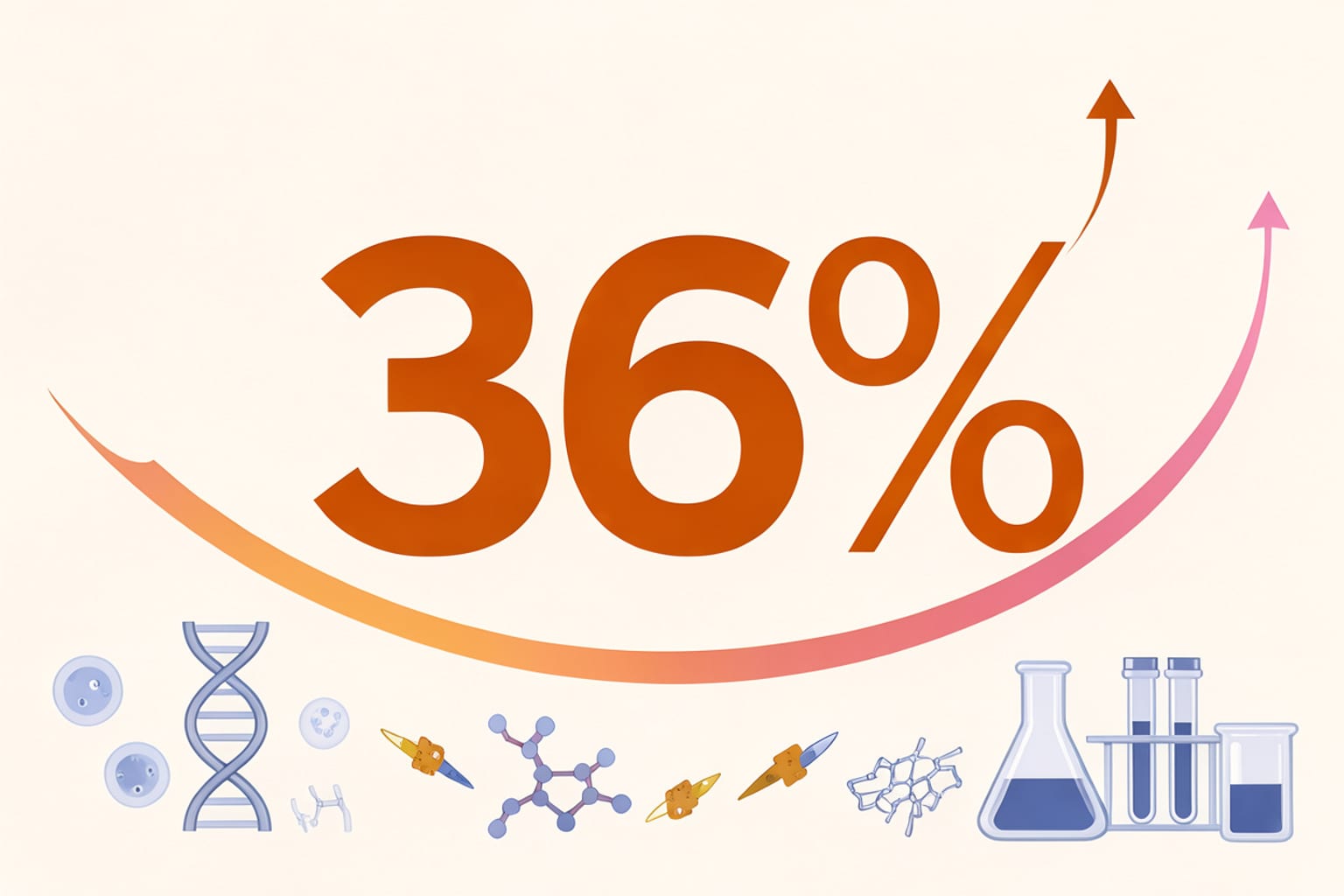
Testing came next. Bacteria produced a single long protein chain that joined the candidate enzyme, its target sequence and a glowing marker protein. If the enzyme cut the target, the marker was set free. Out of 69 cysteine protease candidates, 13 cut their targets. The zinc protease designs did better: 36% of 135 candidates cut their matching peptide. The team then used AI to refine the strongest options. It made the best zinc enzyme 30 times faster at cutting, and it produced a cysteine enzyme that cut at precisely the intended site. “Our results show that de novo enzyme design has advanced well beyond model reactions on activated substrates,” the authors write.
Some of the enzymes were also aimed at diseases. One AI-designed protease cut full-length TDP-43, a protein that accumulates abnormally in ALS, the most common motor neuron disease, and in some forms of dementia. Other versions cut fragments of amyloid-beta, linked to Alzheimer’s disease, and of serum amyloid A, associated with severe organ damage in systemic amyloidosis. The enzymes have not yet been tested in human clinical trials, and the authors do not give a timeline for that step.
What changes, and for whom? For drug developers and industrial chemists, the study suggests that enzymes could be designed to order, targeting a specific region of a protein rather than whatever nature happened to provide. That would take years of further work: the success rates are still partial, the tests were run in the lab, and the authors do not say when a candidate could reach patients. For now, the change is methodological. The design of a working enzyme, which was out of reach a few years ago, now starts on a computer and ends in a test tube.
Comments
Loading the thread…
Sign in to leave a comment. Sign in