AI Follows Thousands of Brain Tumor Cells in Mouse Brain Slices
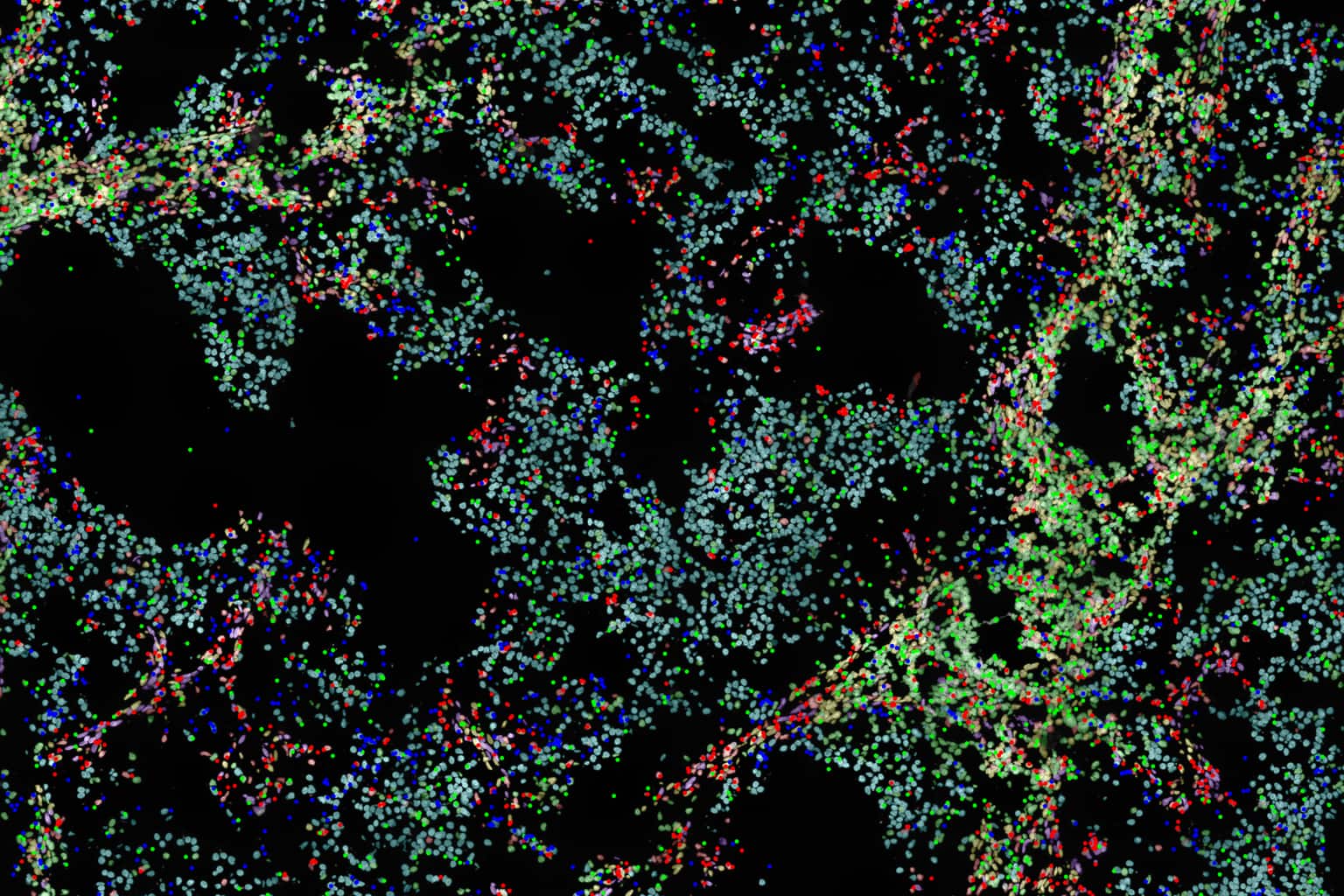
Each tumor cell leaves a trail that runs from blue to red: blue where it started, red where it ended up five days later. The image shows glioblastoma cells moving through living brain tissue. It was made with GlioTrace, a method developed at Uppsala University by a team led by Hitesh Mangukiya and Madeleine Skeppås. It follows thousands of individual cells at once, where researchers had mostly seen snapshots until now.
Glioblastoma is one of the most aggressive forms of brain cancer. Its cells spread into the healthy brain around the tumor, beyond the area surgery can remove, and those cells can contribute to the cancer returning. A preprint version of the study notes that standard therapies mainly target the tumor core, which leaves the invasive cells that have spread beyond it.
The cells came from six patients and were grown as tumors in mouse brains. The brains were then cut into thin slices and kept alive in the laboratory. Automated microscopy photographed them at intervals of no more than two hours, for up to five days. A machine-learning system identified and followed each cell, while statistical models calculated how cells switched between states. Unlike methods that image only small regions, GlioTrace follows cells across entire slices with standard microscopes, and its analysis software is freely available to other researchers.
The tumors differed clearly from one another. Some spread mainly along blood vessels, others diffused through the tissue, and single cells could change their shape and movement over time, even switching between the two modes. Two drug substances reduced movement and spread in the slices, but the effects differed between patient tumors and between types of migrating cells. In some tumor models, radiation combined with chemotherapy increased the share of a particular, fast-moving cell shape. That cell type may persist under treatment, but the researchers say further work is needed to know whether it is more resistant or drives recurrence. The Nature Communications paper also reports microglia, the brain's immune cells, seemingly chasing tumor cells at the edge of the tumor, sometimes ending with the death of the tumor cell.
For now, the gain belongs to researchers. GlioTrace lets them compare tumors from different patients and investigate how each one responds to treatment. The team hopes it will help identify treatments that stop tumor cells from spreading through the brain. The caveats are plain: the work relies on mouse brains and six patient cases, and a brain-tumor news roundup stresses that GlioTrace is not a scan or a treatment, and that no patient benefit has yet been demonstrated.
The next step, according to the researchers, is further study before GlioTrace could guide treatment decisions for patients. Their open question is the one that matters most for therapy: whether the fast-moving cells that persist under radiation and chemotherapy resist treatment, or help the tumor return.
Sources — read the originals(Paris time)
Pages consulted while writing
Read next
Comments
Loading the thread…
Sign in to leave a comment. Sign in