AI picks 92 new sweetener candidates, in silico
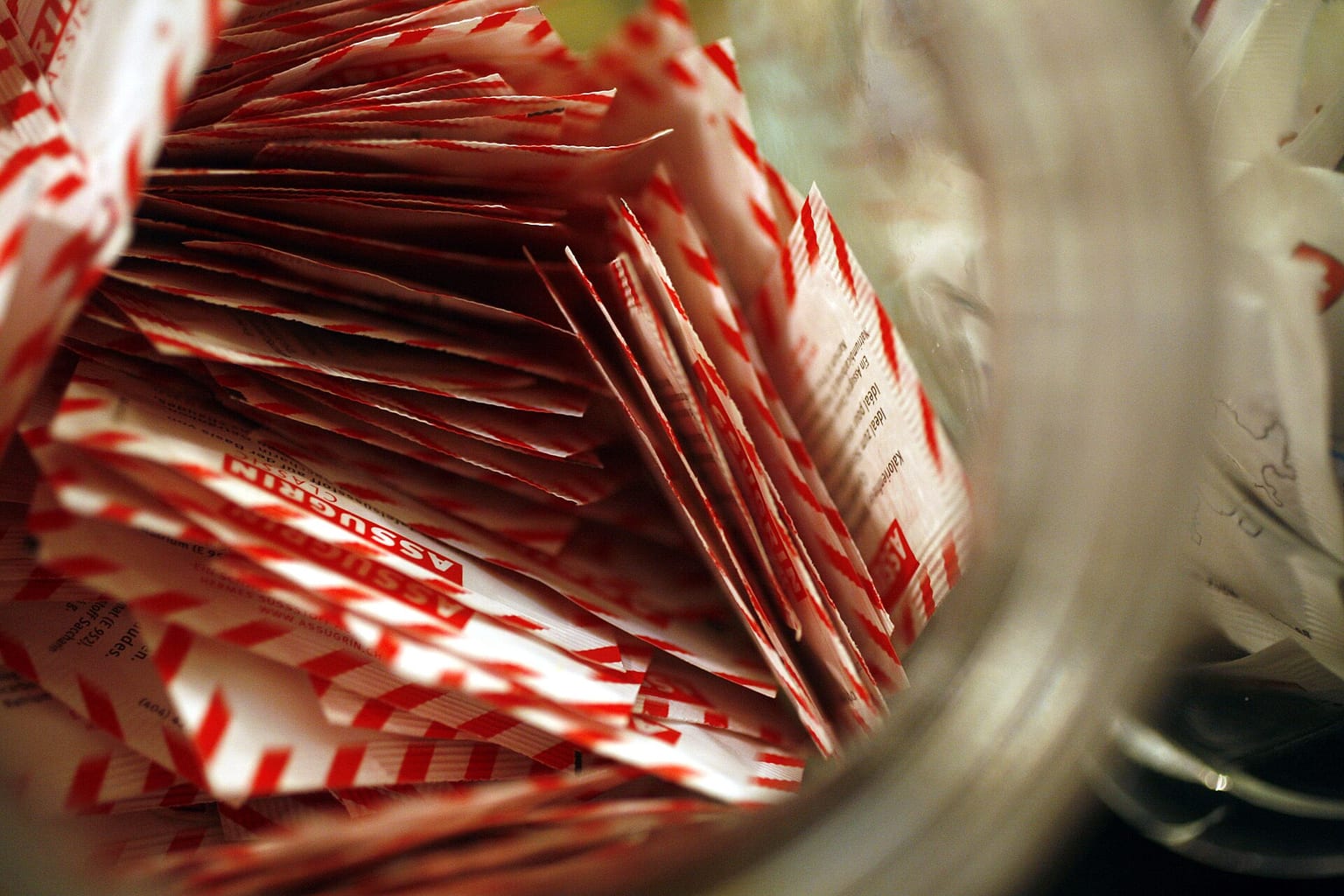
Researchers at the Hebrew University of Jerusalem did not need to taste their way through 50.7 million chemical compounds. A computer did the sorting, and it returned 92 candidates for new sugar substitutes, published in the journal Food Chemistry under the names of Dr. Shayma El-Atawneh and professor Amiram Goldblum.
The problem they target is an old one. Excess sugar is linked to obesity, type 2 diabetes, fatty liver disease and cardiovascular disorders. The sweeteners already in use, such as aspartame, saccharin and sucralose, have a known flaw: bitter or metallic aftertastes. Finding a compound that tastes sweet without them has remained a significant challenge.
The method rests on a machine-learning algorithm called Iterative Stochastic Elimination (ISE), developed by Goldblum's research group. The team first taught its models the properties of known sweet and bitter compounds, so the models could tell pleasant tastes from unpleasant ones. They then screened three large chemical databases, filtering out compounds predicted to be bitter. Next came molecular docking, a technique that simulates how a molecule fits onto a biological target. Here the target was the human sweet-taste receptor, whose detailed structure was published only last year. The combined filters took the pool from 50.7 million compounds to 556 potential sweeteners, then to 92 candidates chosen for their predicted properties.
For the food industry, the gain is mainly in time and cost of the search. Because the models score millions of molecules in a short time, far fewer compounds need to go to laboratory tests. Many of the candidates have chemical structures unlike those of known sweeteners, which suggests new families of sweet compounds could emerge. The team also found several previously patented sweet-receptor modulators among the candidates, a sign, according to the authors, that the approach works. The study gives no timeline for the next steps and no price for any compound.
The next step is the laboratory. The researchers stress that the 92 compounds are still computational predictions: their sweetness, their safety and their suitability for food products all remain to be tested. Each of those tests will show whether the predictions hold, and whether the approach can deliver sweeteners that taste like sugar without its aftertaste.
Sources — read the originals(Paris time)
Read next
Comments
Loading the thread…
Sign in to leave a comment. Sign in