AI reads ER patients' accounts and flags PTSD risk a month early
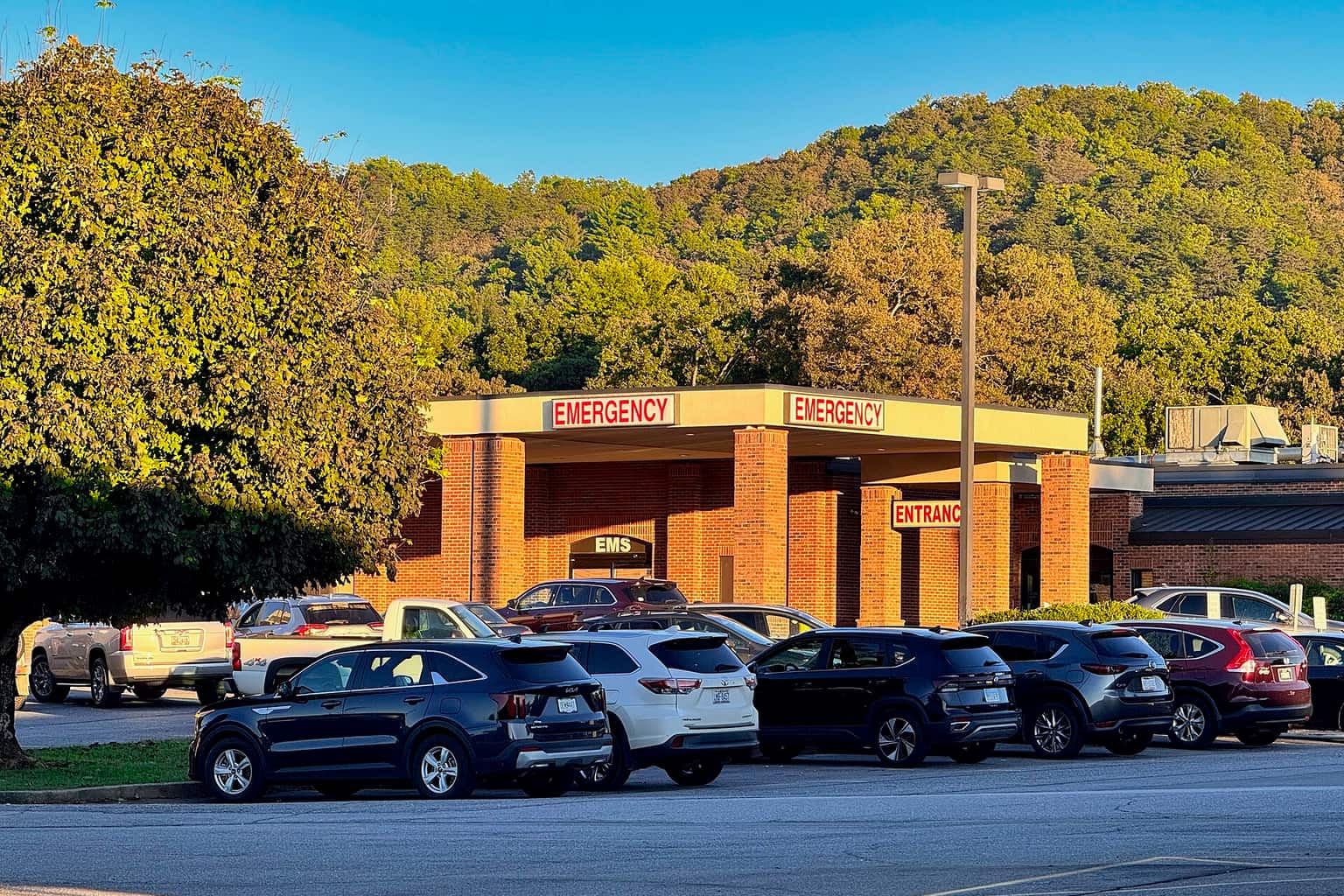
Every year, about 43 million patients are admitted to a U.S. emergency department (ED) with physical injuries. More than a quarter of them go on to develop post-traumatic stress disorder (PTSD). The ED is often the only point of contact a trauma survivor has with the health care system before symptoms become much harder to treat. Yet only about 28% of EDs routinely screen for PTSD, and only two-thirds of those use validated tools. Clinicians typically have 15 to 20 minutes per patient, which pushes mental health assessments aside for immediate medical concerns.
A team led by NYU Langone Health researchers has found a way to listen to what the emergency room already hears. The starting point is the question staff ask at intake: 'What brought you to the ED?' The answer is recorded and transcribed. PREVIA, the tool the team built, is a chain of artificial intelligence (AI) models. The models are generative: they predict the next word from how billions of people use it in context, which lets them pick up patterns in how a person describes what happened to them. The first layer scans the account for symptoms that occur during the injury, such as loss of control or amnesia, and early signs in the ED, such as feeling disconnected from the body. A second layer weighs risk factors such as earlier mental health problems or lower socioeconomic status, alongside protective ones such as coping skills and strong social support. A third model condenses these into a structured summary, and a final layer adds age, sex, trauma type and known PTSD rates to produce a risk score with a plain-language explanation.
The models correctly identified more than 95.4% of at-risk patients. In a head-to-head test, PREVIA flagged 100% of 30 cases from the same patient group who went on to develop PTSD, while an ED clinician specializing in PTSD identified 89%. The authors report that the three-layer design beat simpler configurations on most performance measures. Results were also checked against diagnoses made with the Clinician-Administered PTSD Scale for DSM-5 (CAPS-5), which the authors describe as the gold standard clinical interview. The study was published online on Nov. 9 in Nature Communications.
For a trauma survivor, that means a risk flag at the first encounter, in the first month after trauma, when the researchers say preventive intervention is most effective and many patients drop out of contact with the hospital. For hospitals, the tool is built on open-source models that need no training or fine-tuning, so other institutions can test it without proprietary software or the NYU patient data. The study gives no timetable for use in hospitals and no price.
The test group is small: 145 patients for the models, and 30 cases for the head-to-head comparison. The team designed and checked the tool itself, and the study reports no independent evaluation yet. The next step the authors name is the one they can take: other hospitals running PREVIA on their own patients.
Sources — read the originals(Paris time)
Read next
Comments
Loading the thread…
Sign in to leave a comment. Sign in