AI rewrites chip circuits and finds a year's worth of gains in five months on an already optimized design
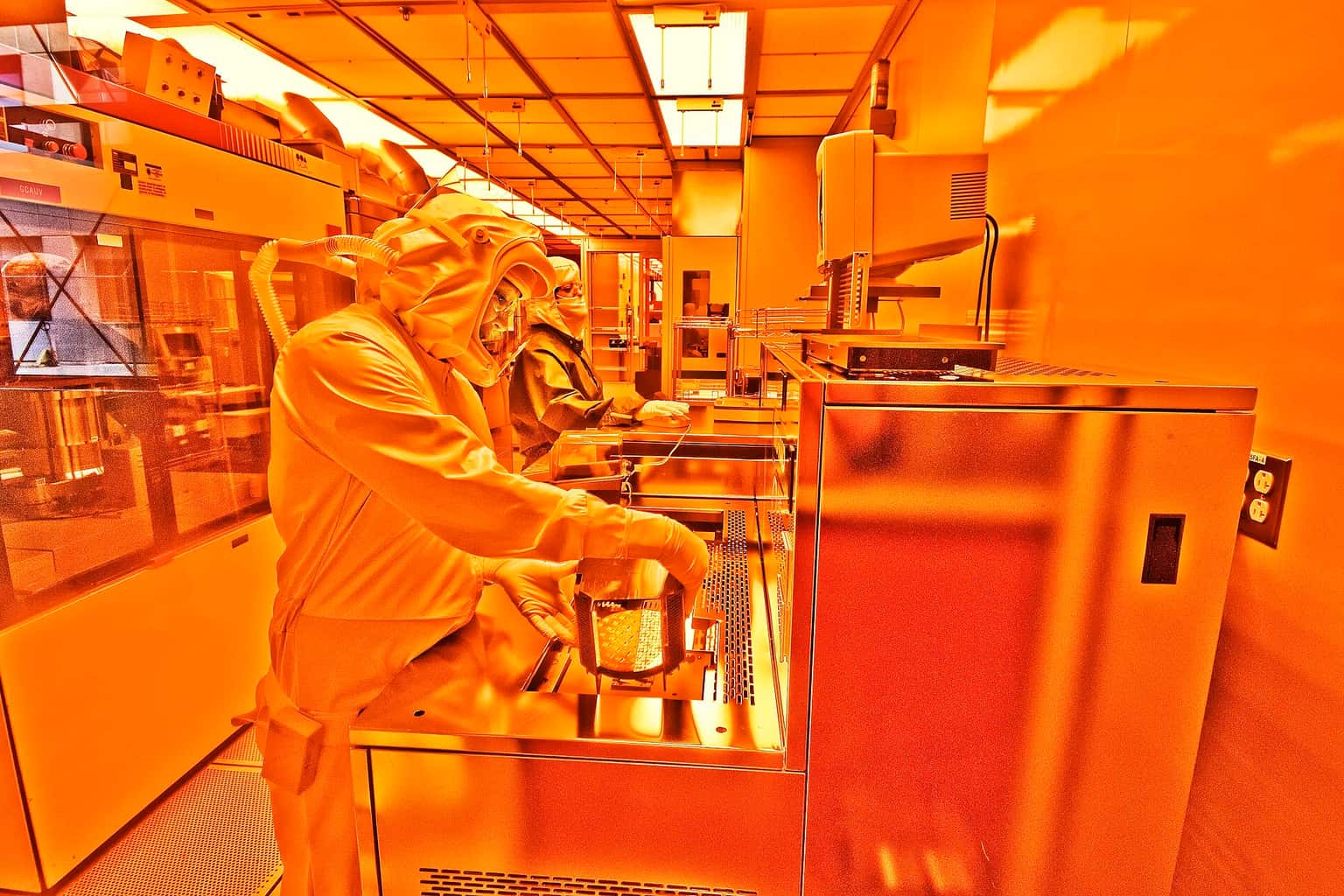
The circuits are drawn in code written as text. Engineers describe, line by line, the paths electricity will take across a chip. OpenAI's AI model read that code and rewrote it. The target was part of the circuitry of AMD's next-generation flagship GPU. On November 18 (local time), OpenAI announced that this work had yielded a PPA improvement of up to 14%. PPA stands for power, performance and area, the three yardsticks for measuring design quality. Starting from an already highly optimized design, OpenAI said it found improvements equivalent to one year of progress in less than five months, which it describes as an unprecedented result. The two companies announced a strategic partnership in October 2025 to build AI infrastructure of up to 6 GW.
These three figures pull against each other. Faster processing consumes more power, and wider circuits take up more area. That makes it hard to improve one without worsening the others. OpenAI's model changed the way the circuits were written without altering their behavior, searching for how the three numbers would move. It has been using GPT-4o since early 2025, and says even that earlier model found improvements in circuits that handle decimal calculations.
The rewrites targeted code written in “SystemVerilog,” the language used to describe circuits. Synopsys, a major electronic design automation company, provided the circuit design tools used to verify that the rewritten circuits performed the same function as the originals and to evaluate the trade-offs among power, performance and area. The gains were compared numerically using these two evaluations.
At AMD, some of the proposed changes were incorporated into designs that had already been sent to manufacturing. Others were reflected in design data for future products. The effort has also produced results for CPUs: in the main circuit blocks of the next-generation flagship CPU, designs generated by the model showed PPA improvements of several percent.
OpenAI is also using the approach on its own designs. Jalapeno, its first AI chip, co-developed with Broadcom and announced in June 2026, is specialized for the processing that generates responses for AI. OpenAI estimates that changes proposed by the model could reduce the area of the circuits handling AI computation by about 13% in one part of the chip and about 10% in another. It says these improvements were also verified on chips it actually manufactured.
The 14% figure, however, needs to be read with care. It is a metric for individual circuit blocks and does not mean the overall processing performance of the GPU rises 14%. It is an upper bound measured against an already highly optimized design, and OpenAI has not disclosed how the figure was calculated.
What the announcement shows is that AI is beginning to take on design improvements that were once the work of people alone. OpenAI's next target is to have AI operate circuit design tools themselves. The company says it will work with Synopsys to train a new model, “GPT-Synopsys,” that operates circuit design tools the way chip designers do.
Sources — read the originals(Paris time)
Pages consulted while writing
Read next
Comments
Loading the thread…
Sign in to leave a comment. Sign in