AI tool flags berberine to boost prostate cancer drug
Prostate cancer has a way out. Under enzalutamide, a drug that blocks androgen receptor signaling, cancer cells can switch on alternative pathways and keep growing. At UCLA, investigators built a tool to find drugs that shut those exits. The platform, called MAESTRO, is described in the journal Advanced Science, and its first use targeted the escape routes of prostate cancer.
MAESTRO uses large language models, the AI systems behind modern chatbots, fed with scientific knowledge about how drugs work and which biological pathways cancer cells use to survive treatment. It evaluates potential drug combinations, ranks the most promising ones and generates biological explanations that researchers can test in the laboratory. Rather than relying on one answer, the team had the model assess each candidate more than 100 times, keeping those that ranked high and consistently. Across 3,592 natural products, the system selected 150 high-confidence candidates, which were tested in 3D prostate cancer spheroids, tumor-like cell clusters that capture some aspects of cancer biology better than flat cell layers. The researchers also added oxygen to the models, to prevent cells from dying of oxygen deprivation and distorting the measurements.
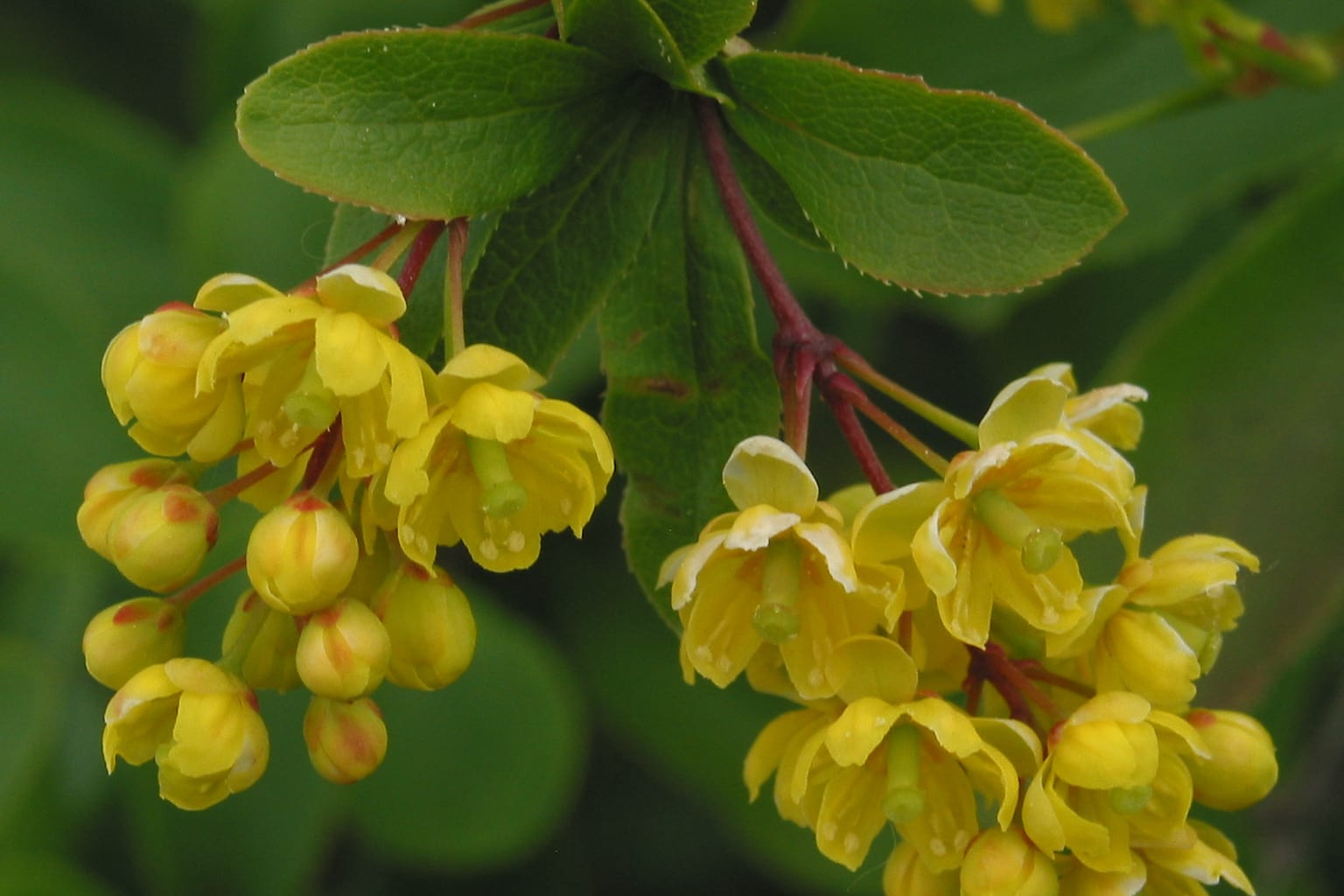
The result that stands out is berberine, a compound present in several plants. Of the 150 tested, 23 showed synergy with enzalutamide, meaning the pair had a greater effect than either compound alone. Berberine then showed consistent synergy across four prostate cancer models with different resistance mechanisms. James C.H. Lo, then a postdoctoral student in UCLA's bioengineering department and first author of the study, said berberine was not an obvious pick: it acts on several pathways at once, which makes its behavior hard to predict. The consistency across models is what the team credits to MAESTRO, since it could have been overlooked by examining each pathway on its own.
The team also tested whether the combination worked through the mechanism MAESTRO had proposed. Adding berberine to enzalutamide increased AMPK activity, a pathway that regulates cellular energy and stress, and suppressed mTORC1 signaling, which plays a central role in cell growth and survival. The pair was also associated with more cellular stress and reduced DNA replication and cell-cycle progression. These are laboratory observations on cells and spheroids, not evidence in patients, and the authors present the pairing as a promising candidate for further research.
For drug developers and cancer biologists, the practical change is in the order of work: instead of testing combinations one by one or relying on hypotheses drawn from the literature, a team can rank thousands of candidates by biological rationale before stepping into the lab. Neil Lin says MAESTRO "could substantially accelerate this process". The researchers do not give a timeline for testing berberine and enzalutamide in patients, and the study reports no clinical data.
Sources — read the originals(Paris time)
Read next
Comments
Loading the thread…
Sign in to leave a comment. Sign in