Alzheimer's drug candidate reaches the brain in phase 1
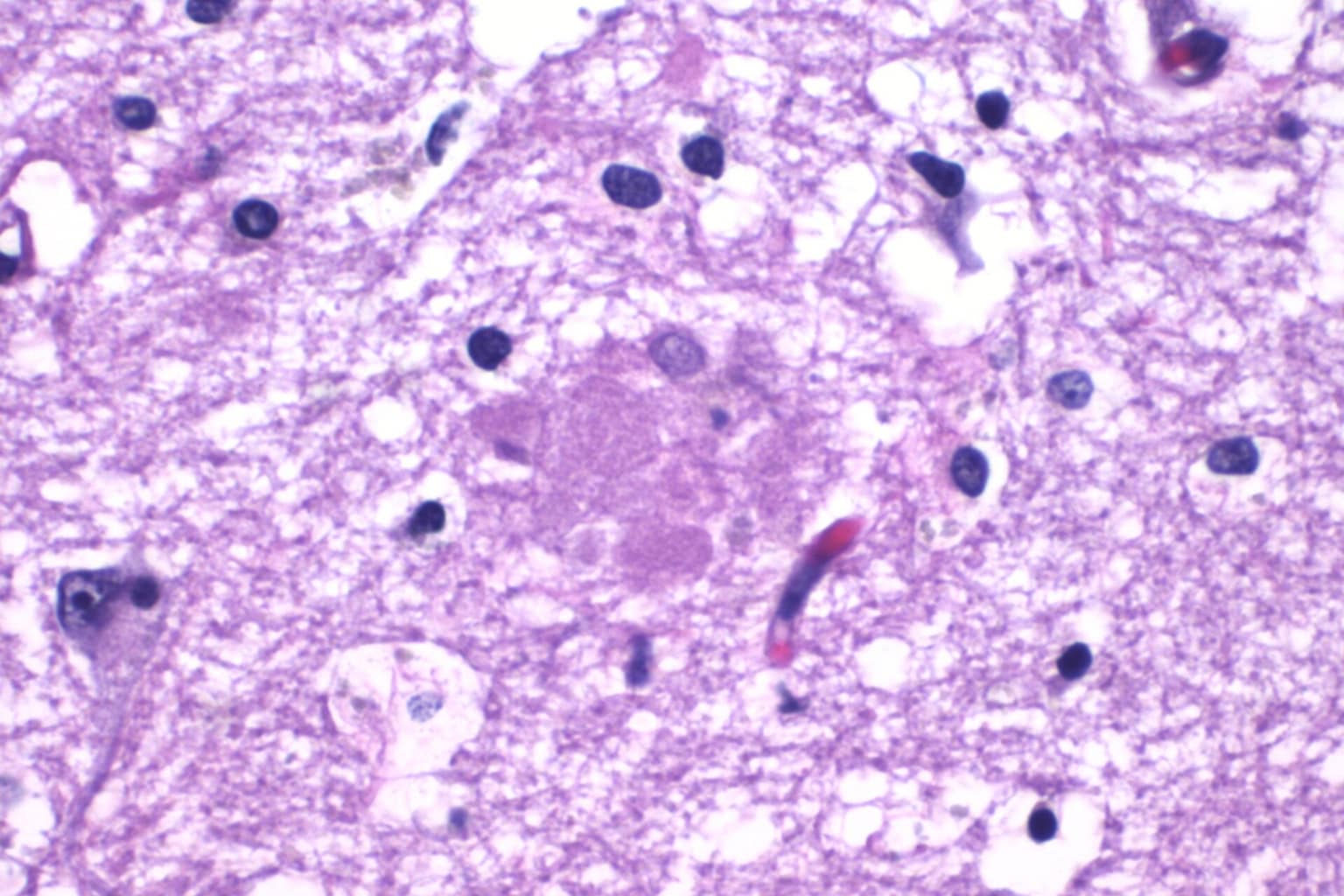
Antibodies designed to switch on TREM2 kept running into the same wall: they could not reach enough of the brain to do their job. TREM2 is a receptor that regulates the brain's immune cells, the microglia, so they can respond to damaged proteins. For years the antibodies that tried to activate it were limited by poor brain penetration, and the early clinical studies failed to show any benefit.
The problem matters because Alzheimer's treatment is still searching for targets beyond amyloid-β, the protein that clumps in the brain. A receptor that tells microglia how to react to those clumps is one of the few candidates the field has been circling. Without a way to get a drug into the brain, the idea stayed on paper.
A research highlight published in Nature Medicine on 29 October 2026 describes a different approach. VG-3927 is a small molecule, a compound of a different kind from an antibody, and the preclinical analysis and phase 1 trial behind it report successful penetration of the central nervous system, target engagement and tolerability. In plain terms, the drug got into the brain, reached its target there, and was well tolerated by the people who received it. A phase 1 trial is the first stage of testing in humans, and its main purpose is to check safety and how the body handles the drug, not whether symptoms improve.
The highlight is clear about what it does not show. It reports no measure of clinical benefit for patients, and the data are described as supporting a promising candidate, not a proven treatment. Earlier antibody trials did not show benefit either, so the question of whether TREM2 activation helps patients stays open.
For patients and for drug developers, the result adds a second route to a target that antibodies had not managed to reach. If later trials confirm that the brain penetration and target engagement translate into benefit, VG-3927 could become one of the few new approaches tested beyond amyloid-β. The highlight gives no date for that next stage, so the timeline remains unknown.
Sources — read the originals(Paris time)
Read next
Comments
Loading the thread…
Sign in to leave a comment. Sign in