Antibody-free probe detects a valve-inflammation marker
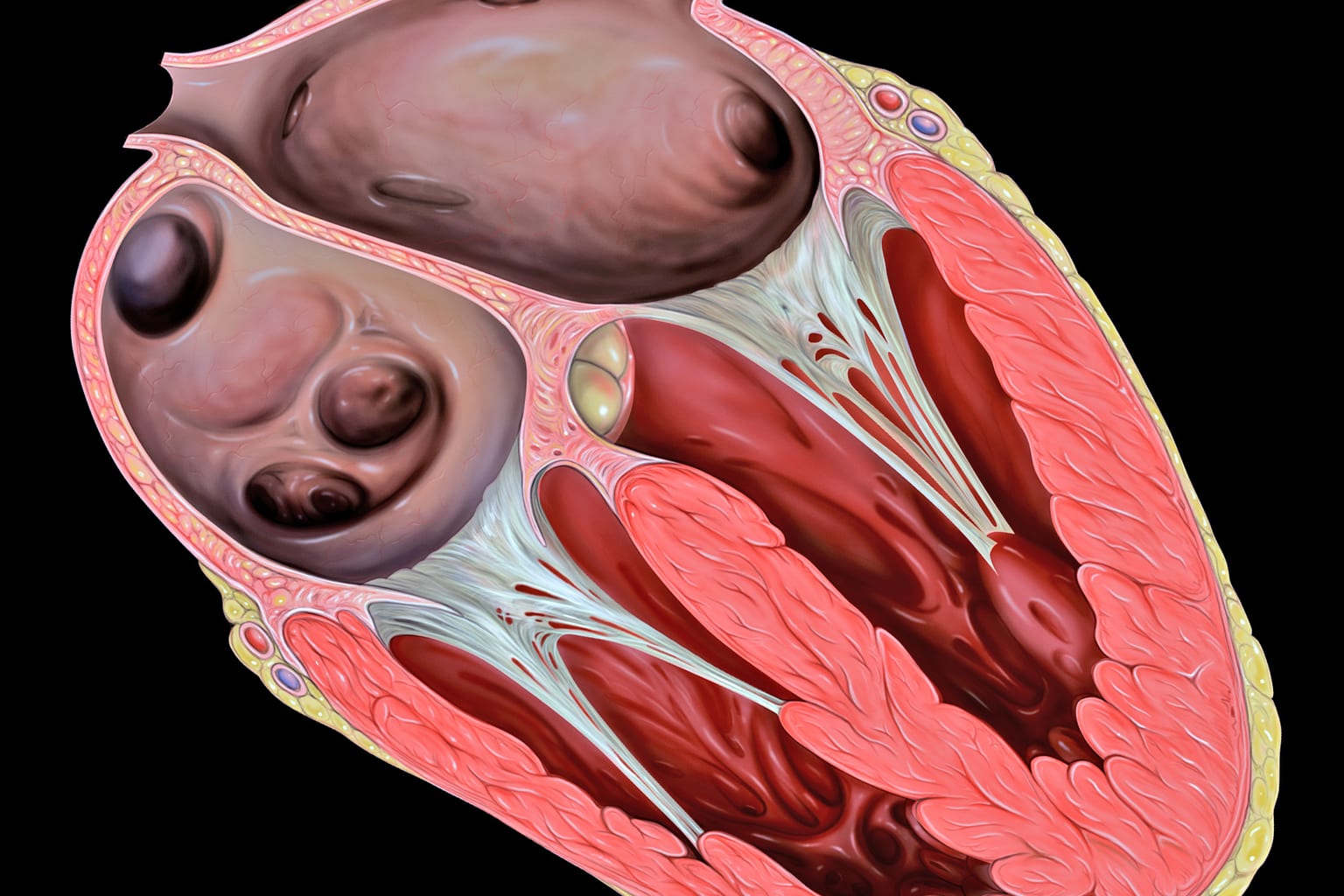
Rheumatic heart disease claims hundreds of thousands of lives each year, and it strikes children and young adults hardest in low- and middle-income countries. A team at Ben-Gurion University of the Negev, led by professor Ayelet David, reports a blood probe that does without antibodies altogether. In laboratory trials, the probe detected and quantified a molecule linked to valve inflammation directly in blood serum.
The standard route to that molecule is the ELISA test, a blood assay that relies on antibodies. Those antibodies are expensive to make, degrade in heat and need multistep processing, so clinics without continuous refrigeration or automated equipment cannot run mass screening. The Ben-Gurion group, working with Massachusetts General Hospital and Harvard Medical School, replaced the antibody with a synthetic chain built from HPMA, carrying short peptides that bind a target, plus near-infrared fluorescent dyes.
The mechanism rests on how close the dyes sit. Floating freely, the polymer stays tightly clustered, so the dyes absorb and quench each other's light. When the peptides meet E-selectin, an adhesion molecule that blood carries during active valve inflammation, the polymer uncoils, pulls the dyes apart and produces a sharp turn-on glow. The signal rises with the amount of E-selectin present, and it can be read on standard microplate readers.
The limits are the team's own. Sensitivity operates in the microgram range, and work continues to detect the nanogram-level concentrations seen in early-stage patients. In serum, binding to a second molecule, VCAM-1, was reduced, which the paper attributes likely to interference from abundant serum components. No established blood marker for rheumatic heart disease exists yet, so a panel of markers would be needed to separate it from other valve diseases. The Famagusta Gazette repeats the pitch of a simple, low-cost test for remote areas, but adds no measurement. David says the platform is resilient to ambient temperatures, while the paper says it is expected to depend less on refrigeration and that further optimization and clinical validation are required.
For a clinic without a refrigerator, the gain would be a test that can be stored and run without cold chains, and that a team could adapt to other inflammatory or vascular diseases by changing peptides. That gain is still a prospect. The next steps named in the work are sensitivity at the nanogram level and clinical validation in patients, and the team has announced no date for either.
Sources — read the originals(Paris time)
Pages consulted while writing
Read next
Comments
Loading the thread…
Sign in to leave a comment. Sign in