Antwerp puts two all-electric harbour cranes into service
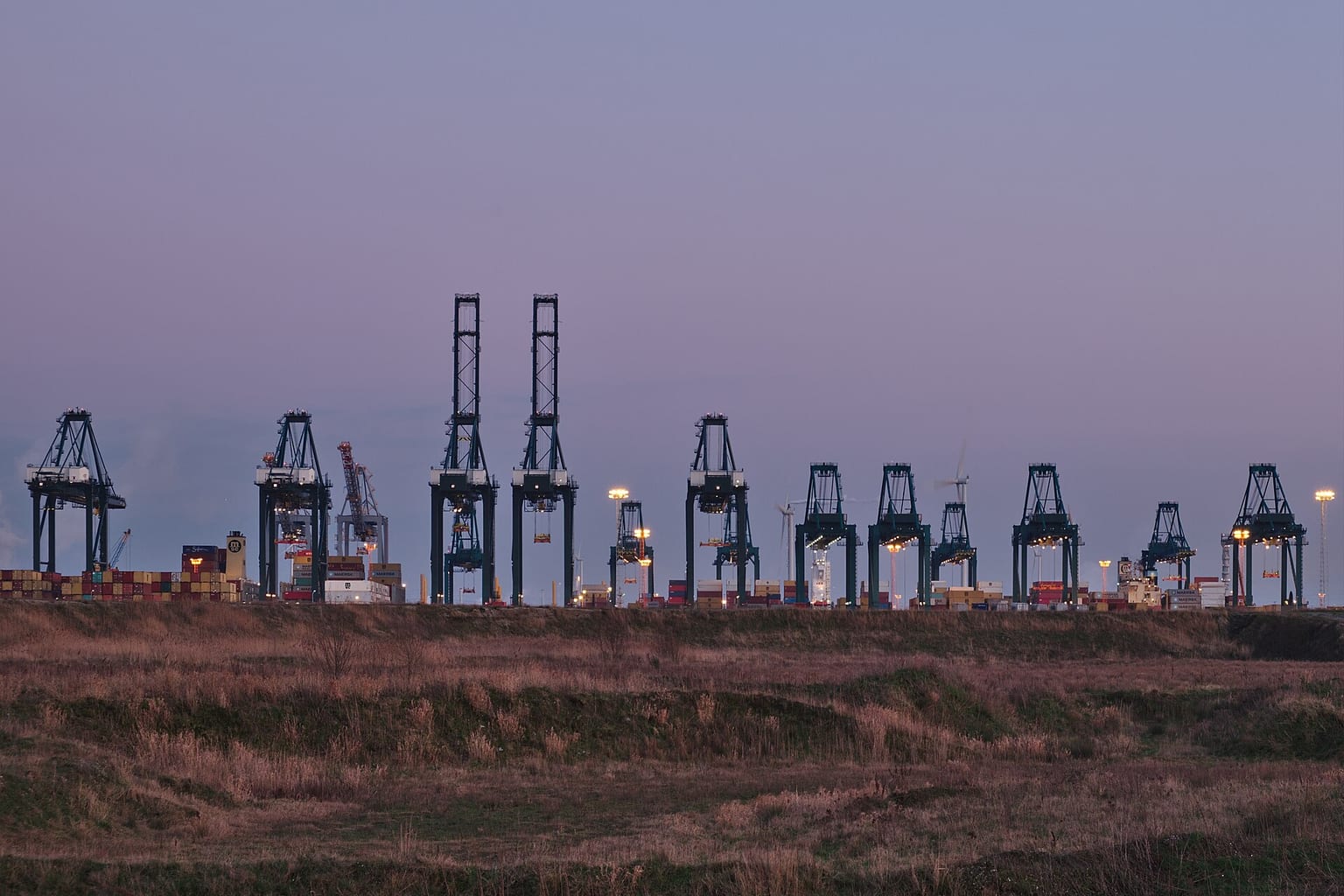
On the quays of Antwerp, a mobile harbour crane can now lift heavy loads without a diesel generator on board. Katoen Natie has put two all-electric mobile harbour cranes into service at the Port of Antwerp, and the October commissioning is a first test of this kind of machine in a working commercial port, not a demonstration.
Fixed container cranes were the easy case for electrification: they stay in one place, repeat the same movements and can be wired to a substantial power supply. A mobile harbour crane travels along the quay, moves between assignments and handles cargo that changes from one vessel to the next. For that reason it carried an onboard diesel generator, which gave it mobility without requiring the terminal to build power connections everywhere the crane might work.
The design now separates the two jobs. Grid electricity supplies the heavy working loads, while rechargeable batteries carry the crane from one operating position to another. The machine does not need to haul an enormous battery for work that the grid can power directly. Konecranes, which designed the solution, and Katoen Natie say this also eliminates diesel exhaust at the equipment and reduces local noise.
The gain goes beyond one fuel. A mobile crane can handle steel, industrial equipment, large transformers, wind components, scrap, project cargo, conventional bulk and containers, so a port operator can change its handling arrangements as customers and cargo flows change, without replacing the basic lifting machinery. Coal, oil and gas have long supported berths and terminals built for a single commodity, and their decline leaves those assets exposed. A flexible electric crane is less tied to one cargo.
For the Port of Antwerp and its terminal operators, the next step is concrete: four more cranes, four 200-tonne and two 150-tonne machines in total, are to join the first two across three deep-sea multipurpose terminals. Katoen Natie expects the six cranes to displace as much as 500,000 litres of diesel a year once they are all operating. The figure is the operator's forecast, and the fleet is not yet complete.
Sources — read the originals(Paris time)
Read next
Comments
Loading the thread…
Sign in to leave a comment. Sign in