Blocking two proteins cripples DNA repair in liver cancer cells
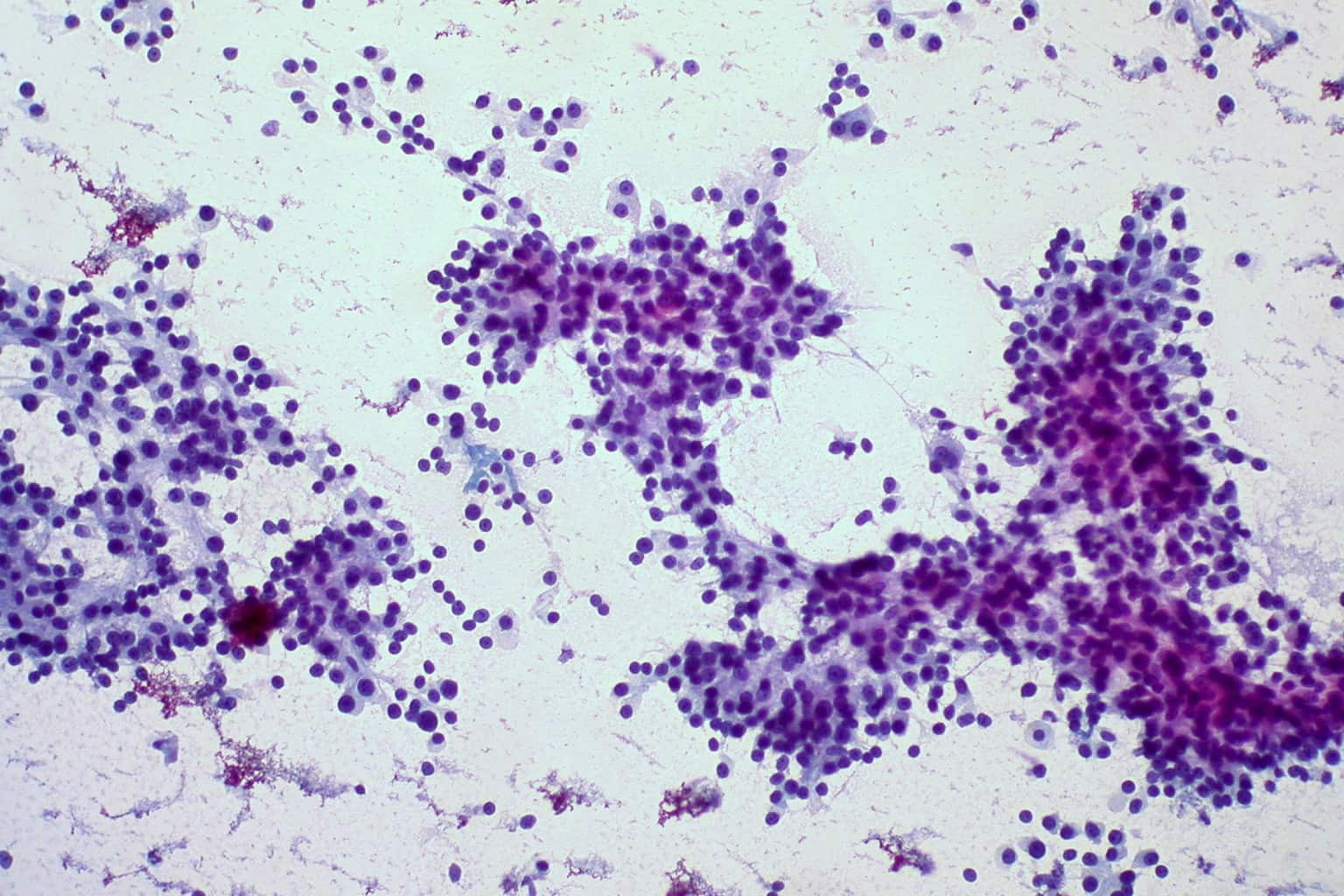
Blocking two proteins at once leaves liver tumor cells unable to repair their own DNA. In a study led by Dr. Marcos Malumbres at the Vall d'Hebron Institute of Oncology (VHIO), researchers showed that the cells stop multiplying when CDK16 and CDK18 are both inactivated. The work, published in the Proceedings of the National Academy of Sciences, targets hepatocellular carcinoma, the most common type of primary liver cancer in adults.
The study explains why this weakness had gone unseen. Cyclin-dependent kinases (CDKs) are a family of proteins that regulate many cell activities, and some of them are already drug targets: inhibitors of CDK4 and CDK6 are part of standard treatment for advanced hormone receptor-positive breast cancer. The functions of CDK16 and CDK18 were unknown. Eliminating either protein alone had limited effects on liver cancer cells, because the other could maintain the functions needed for survival. "Inactivating both removed that protection and led to persistent defects in DNA repair," explains Diego Martínez-Alonso, the study's first author.
The mechanism involves the nucleus. DNA sits in the cell nucleus, and molecules pass in and out through structures called nuclear pores. The researchers found that CDK16 and CDK18 modify components of these pores, which helps DNA repair proteins gather in the nucleus and at the sites where genetic material needs fixing. When both proteins are removed, that process breaks down. The tumor cells accumulate lesions they cannot resolve, stop proliferating and may die.
For drug developers, the lesson is methodological as much as biological. Many studies look for targets by eliminating genes one at a time, which can miss a dependency that another protein covers. "Analyzing them together reveals a dependency that was hidden," says Malumbres, who sees this as a reason to look for other vulnerabilities concealed by compensatory mechanisms.
For patients, the gain is still a prospect rather than a treatment. The team wants to turn this vulnerability into a pharmacological strategy and determine which tumors would benefit most. It has not announced a timeline, and it says better inhibitors must be developed and their efficacy and safety evaluated before any clinical application. What the study does provide is a new route to explore for advanced liver cancer, where current options are limited.
Sources — read the originals(Paris time)
Read next
Comments
Loading the thread…
Sign in to leave a comment. Sign in