Bulgaria Connects Nearly 6 GW of Batteries in Two Years
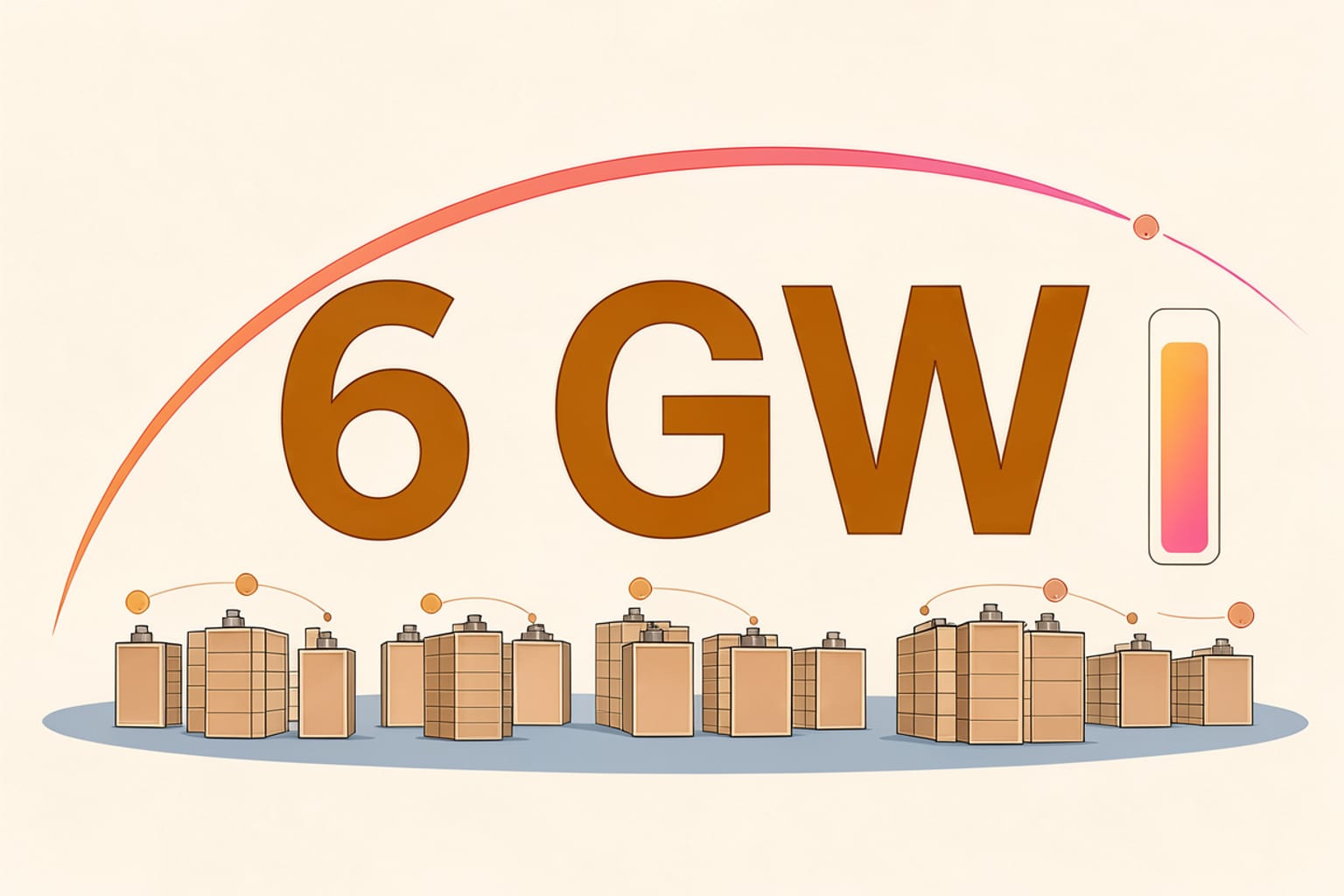
Two years ago, there was not a single battery in Bulgaria. As of October 2026, ENTSOE data, from the European association of electricity transmission system operators, put the figure at between 5 and 6 gigawatts (GW). The gigawatt is a unit of electrical power. Measured against the national grid's capacity of 23.8 GW, these installations represent a quarter of the total. No other grid in the world has as many in proportion to its electricity mix, claims Révolution Énergétique, the outlet that published the investigation.
The country of 6.4 million inhabitants had a simple problem: some of the highest electricity prices in Europe. It received European money from recovery funds and chose to invest it all in batteries. Solar also played its part: Bulgaria has more than 6.5 GW of panels, which produce heavily at midday, to the point of pushing prices into negative territory. According to Capital, Bulgaria's share of batteries in its grid exceeds California's at 15% and China's at less than 4%.
The mechanism comes down to two steps. At midday, when solar floods the grid and electricity is worth almost nothing, the battery charges. In the evening, when demand rises and prices climb, it discharges and sells what it has stored. Neighbors benefit too: Romania sends its gigawatts of solar to Bulgaria to be stored, then draws electricity back at the end of the day. This gap between the midday and evening price is known as the spread, and it is what pays the batteries.
The heatwave revealed the value of this fleet. Very low levels on the Danube forced Romania to shut down its two Cernavodă nuclear reactors. Bulgaria stepped in, and its exports doubled compared with May-June. Today, the evening peak is entirely covered by batteries.
For the Bulgarian grid, solar aims to shut down some coal plants, and projects are being completed in 9 to 18 months thanks to the RESTORE program and its simplified procedures. Limits remain, however. Price gaps are narrowing as batteries multiply, solar is growing faster than storage, and interconnections with neighbors are not yet saturated. What is working today is a model that functions in Bulgaria, and whose profitability will depend on the pace of these price gaps in the years ahead.
Sources — read the originals(Paris time)
Read next
Comments
Loading the thread…
Sign in to leave a comment. Sign in