Carbon dioxide cools drills, 20% faster in an Oregon field test
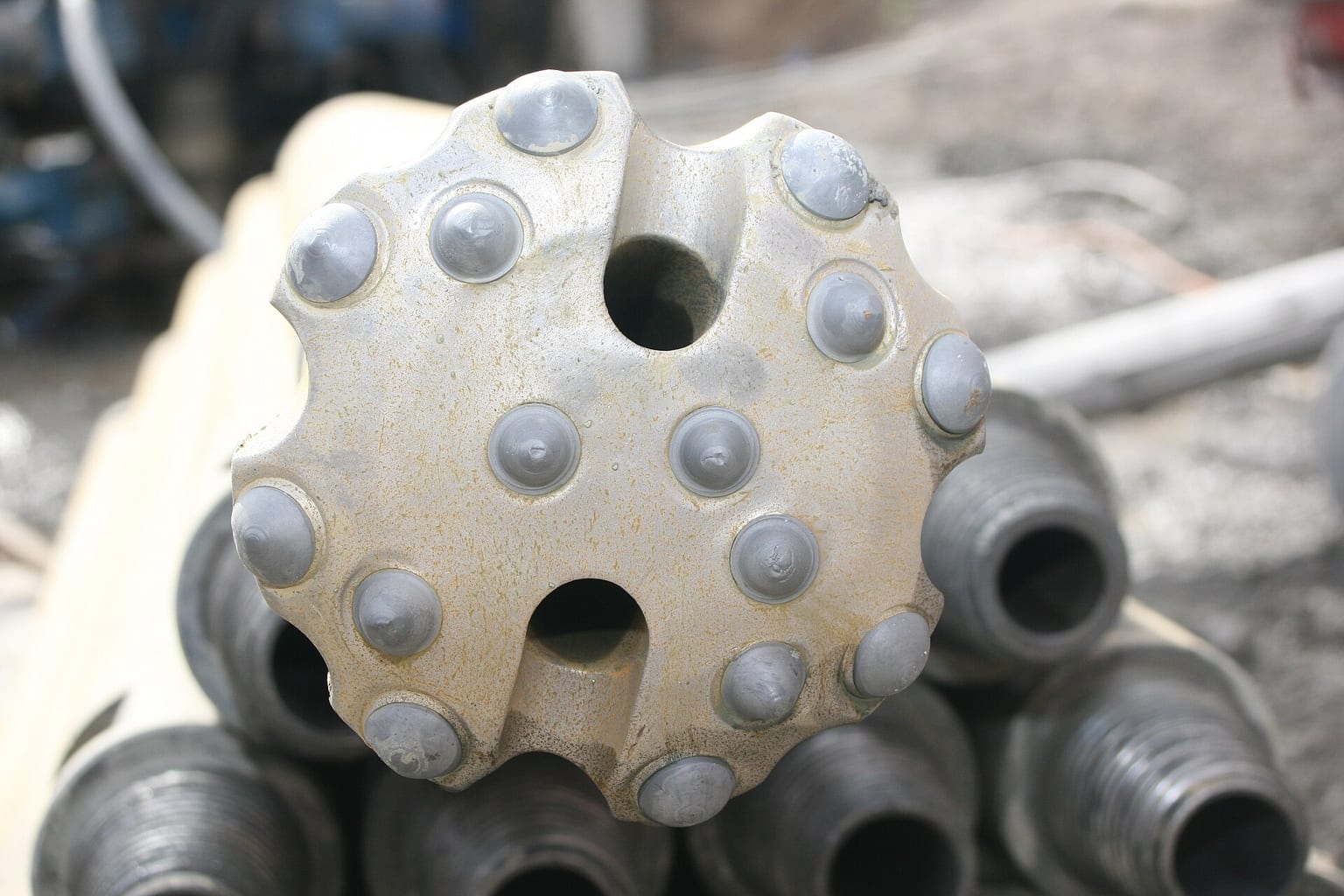
Heat is what stops a geothermal drill. Drilling fast and deep generates heat, and the water-based mud that drillers pump down to cool the bit can only bring temperatures down so far. Past that point, the electronics that keep the bit on course start to fail. High-temperature versions exist, but they would be too expensive, according to Mazama Energy’s chief executive, Sriram Vasantharajan. The Khosla-backed startup says it has found a way around that wall. In a demonstration in August 2026 at its Athena project in Newberry, Oregon, it cooled the bottom of the well to 195°F while drilling through rock at 645°F, and its drilling speed rose 20% above rates the company was already achieving. The company calls it the first field use of supercritical carbon dioxide (CO₂) as a coolant.
The trick is in the carbon dioxide itself. Liquid CO₂ is pumped down the centre of the drill string. As it descends, the surrounding rock heats it until it turns supercritical, a dense, gas-like fluid that carries far more energy. Just before the drill head, it passes through a valve shaped like a rocket nozzle. As it expands, it cools sharply, absorbing heat from the electronics and the bit, and it carries rock fragments back up to the surface. Vasantharajan put it bluntly: “Without such technologies, I am, today, not able to drill these horizontal wells at super hot rock temperatures.”
Why go so hot? Past 705°F, water becomes supercritical. In super-hot rock, where temperatures exceed 400 °C, that fluid carries five to ten times more energy than water from traditional geothermal wells. Developers can harvest more from each well and drill fewer of them, which lowers costs. Drilling already accounts for about 25% to 30% of the total cost of building a power plant, so drilling faster and deeper is where the savings sit.
For the people who would buy this power, the payoff is a matter of timing. Hyperscalers are already planning facilities that will enter operation at the end of the decade, and Google and Meta have started to explore geothermal. The National Laboratory of the Rockies says geothermal could generate between 26.5 and 57 terawatts of electricity in the U.S. alone. Developing just 10% of the conservative estimate would more than double the country’s peak generating capacity. Developers that drill faster and cheaper stand to help reshape the grid in the 2030s.
The figures are the company’s own, and they do not line up neatly. One account gives a 20% gain in drilling speed; another describes an 80% cut in drilling time to reach the same depth as a well drilled the year before. Independent geothermal research lists unresolved questions around well and tool integrity, fluid-rock reactions, and how long a reservoir lasts. Mazama’s Athena well reached 10,350 feet in 15 drilling days in September 2026, according to the company.
The next phase, which company spokesperson Pete Lumley says will validate supercritical CO₂ drilling in the field, begins with an observation well in the second quarter, followed by an injection well in the third quarter. Mazama raised $135 million in September in a round led by Centaurus Capital and Doerr Capital, money it says will help it drill more wells deeper. By next year, Vasantharajan hopes to complete a single well able to generate up to 15 megawatts of electricity. “What was just a dream or a quest, I can tell you with confidence is now a promise,” he said.
Sources — read the originals(Paris time)
Pages consulted while writing
Read next
Comments
Loading the thread…
Sign in to leave a comment. Sign in