Cheaper glucose-sensor material matches costlier one
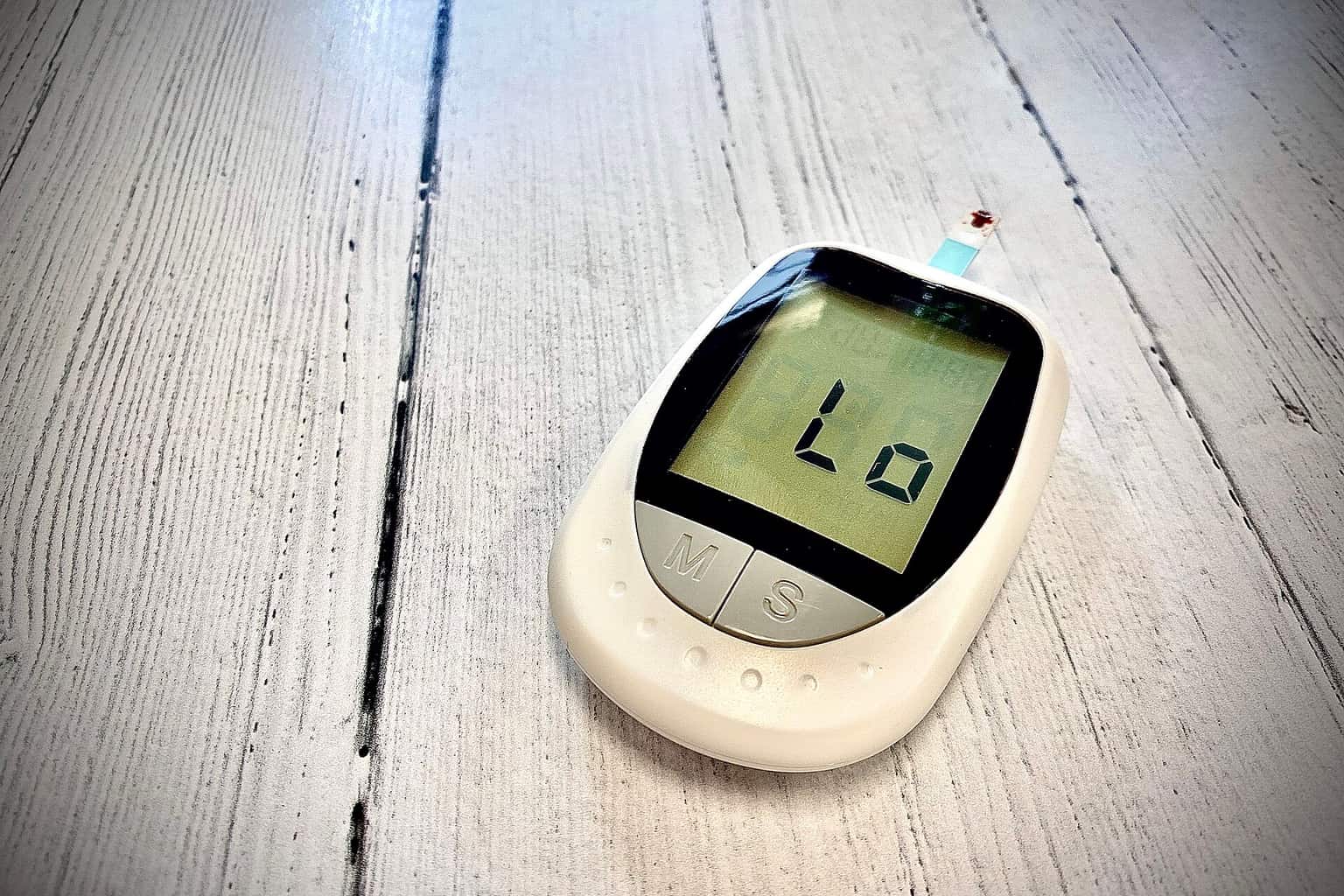
Researchers at Texas A&M University have found a cheaper ingredient for an experimental injectable glucose sensor. In a study published in ACS Measurement Science Au, the team showed that a sensing material costing roughly one-tenth as much as a commonly used alternative delivered similar performance. The lead author, Dr. Sayantan Tripathy, assistant research scientist in the university's Optical and Bio-Sensing Laboratory, said the result surprised the team: "In this case, the cheaper option wasn't really a compromise."
The sensor does not rely on enzymes, the biological catalysts used by many glucose monitors. It uses near-infrared fluorescence. Glucose molecules compete with a fluorescent sugar compound for binding sites on a protein called concanavalin A, or ConA. As glucose levels rise, more binding sites are occupied, the fluorescent molecules are displaced, and the light signal changes, so the glucose level can be read from the light. The researchers compared several glucose-binding compounds. β-mannopentaose, a significantly less expensive material than the α-mannopentaose used in earlier versions, gave comparable sensing performance, and it also worked well in artificial interstitial fluid, a solution designed to mimic the environment beneath the skin.
The chemistry was then built into a small hydrogel that can be injected into the tissue. The gel holds the sensing materials in place while letting glucose pass through to be measured. In testing, it retained more than 94% of the sensing assay over seven days, which shows the cheaper chemistry can work inside an injectable platform. Continuous glucose monitors give users a real-time picture of their glucose levels, but cost keeps the devices out of reach for some patients. Dr. Gérard L. Coté, the study's principal investigator, said that lowering the cost of one component while keeping performance "gives us a promising foundation for further development."
For the moment, the gain is a materials result, not a product. The researchers stress that the technology remains at proof-of-concept stage and requires additional development and testing before it could be considered for clinical use. The study does not give a timeline or a price for a finished sensor. Coté's long-term goal is a reliable, affordable injectable sensor that could expand access to continuous monitoring, particularly for people in under-resourced communities and those without adequate insurance coverage.
The team plans to keep refining the platform and to test other components that could improve performance, longevity and practicality. Tripathy said that future glucose-monitoring technologies "may not have to rely on expensive materials to deliver effective results."
Sources — read the originals(Paris time)
Read next
Comments
Loading the thread…
Sign in to leave a comment. Sign in