Claude designs 35,000 antibodies in a month; lab tests flag leads
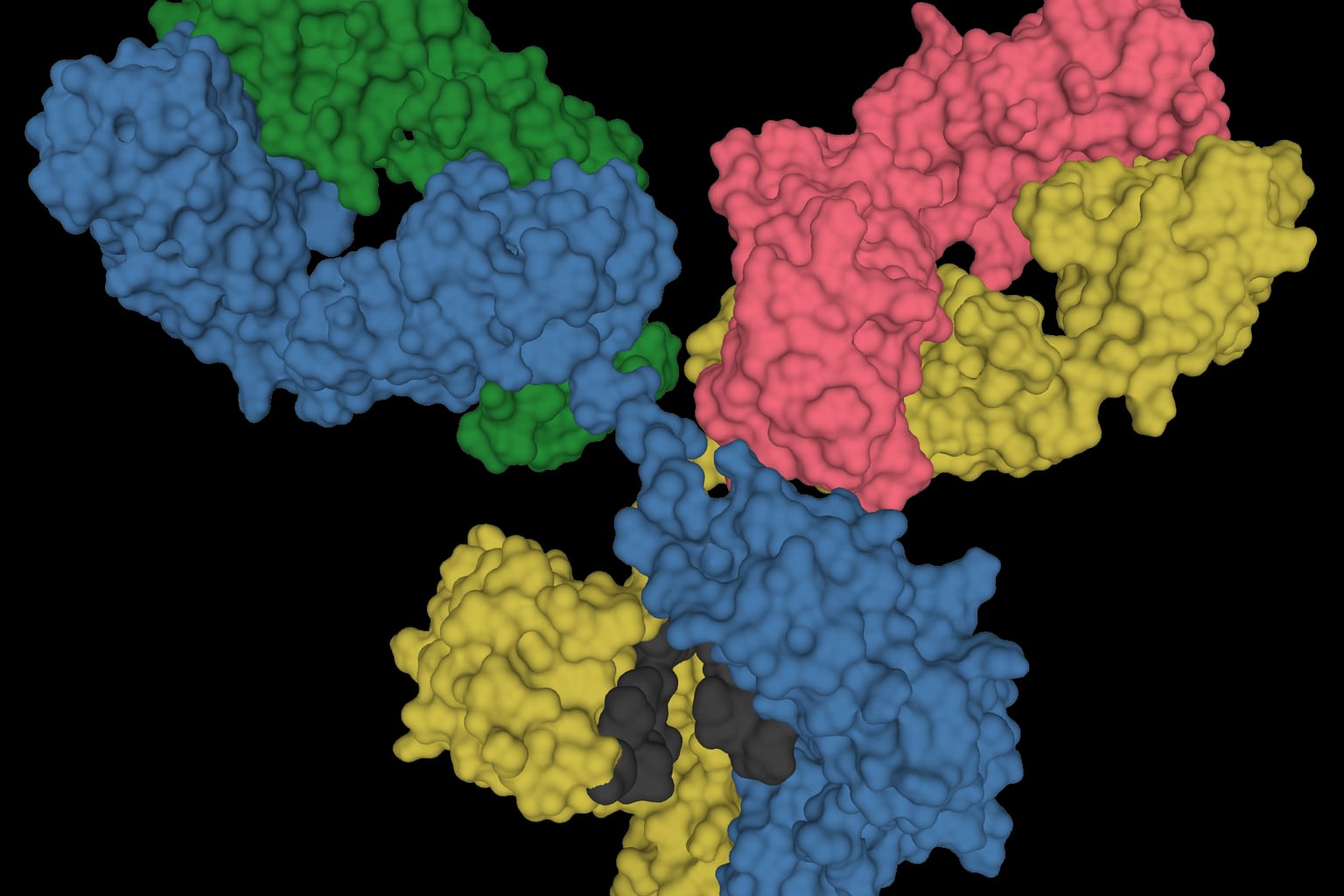
Roughly 35,000 antibody designs in about a month. That is the output Anthropic reports for its AI model Claude on a food allergy project with Divergence Labs, one of six drug developers the company is working with. Early laboratory tests have already singled out candidates worth a closer look.
The target is immunoglobulin E, or IgE, an antibody involved in allergic reactions. Existing treatments mostly neutralize the IgE circulating in the blood. Divergence Labs wants to detach it from immune cells instead, which requires a single molecule with two parts: one that binds tightly to IgE, and one that helps remove it from the immune cell. Claude turned the research goals into a design plan and generated the designs largely on its own. Initial lab tests found 3 designs able to bind IgE and 20 able to detach it from immune cells. Three of those 20 appeared to remove more IgE than a standard medication, according to Anthropic.
The same approach ran through a second project, with Generate Biomedicines, on CAR T-cell therapy. That treatment uses genetically modified immune cells to recognize and attack cancer, and it is used mainly against blood cancers. Six researchers used Claude Code to rewrite part of the genetic instructions controlling those cells, and one version was about 70% shorter than the standard one. In laboratory tests, the modified cells produced roughly 10 times as many cancer-recognizing receptors, killed tumor cells more efficiently and stayed active longer. The approach could help adapt the therapy to solid tumors, but the findings do not establish any effect in patients.
Claude also took on the slow, repetitive parts of drug work. At BigHat Biosciences, it was connected to an automated laboratory that made and tested about 1,010 molecular variants over 10 weeks, and the best designs bound their target more than 10-fold more strongly. At Enveda, a drug discovery company, it reviewed 1,061 pages of manufacturing records, found all 11 issues human reviewers had already flagged and raised seven more. Human review time fell by 89%, from more than 25 hours to less than three, according to Anthropic.
For patients, the stakes are concrete but still distant. Anthropic has also acquired Mithril Medicine, which develops experimental treatments for two rare forms of muscular dystrophy, and one of its programs produced promising results in mice within 18 months. The company says a candidate could enter human trials as early as late 2028 if development goes well. Anthropic is also working with Bristol Myers Squibb on clinical trial planning, and it acknowledges that its research remains at an early stage.
The next step named for the allergy work is the one Divergence Labs has set itself: building a single molecule that combines both functions, binding IgE and removing it from immune cells. Until that molecule exists, the 35,000 designs remain a set of candidates, not a treatment.
Sources — read the originals(Paris time)
Read next
Comments
Loading the thread…
Sign in to leave a comment. Sign in