Contec Receives US LEO Satellite Data at 2.5Gbps in Jeju Trial
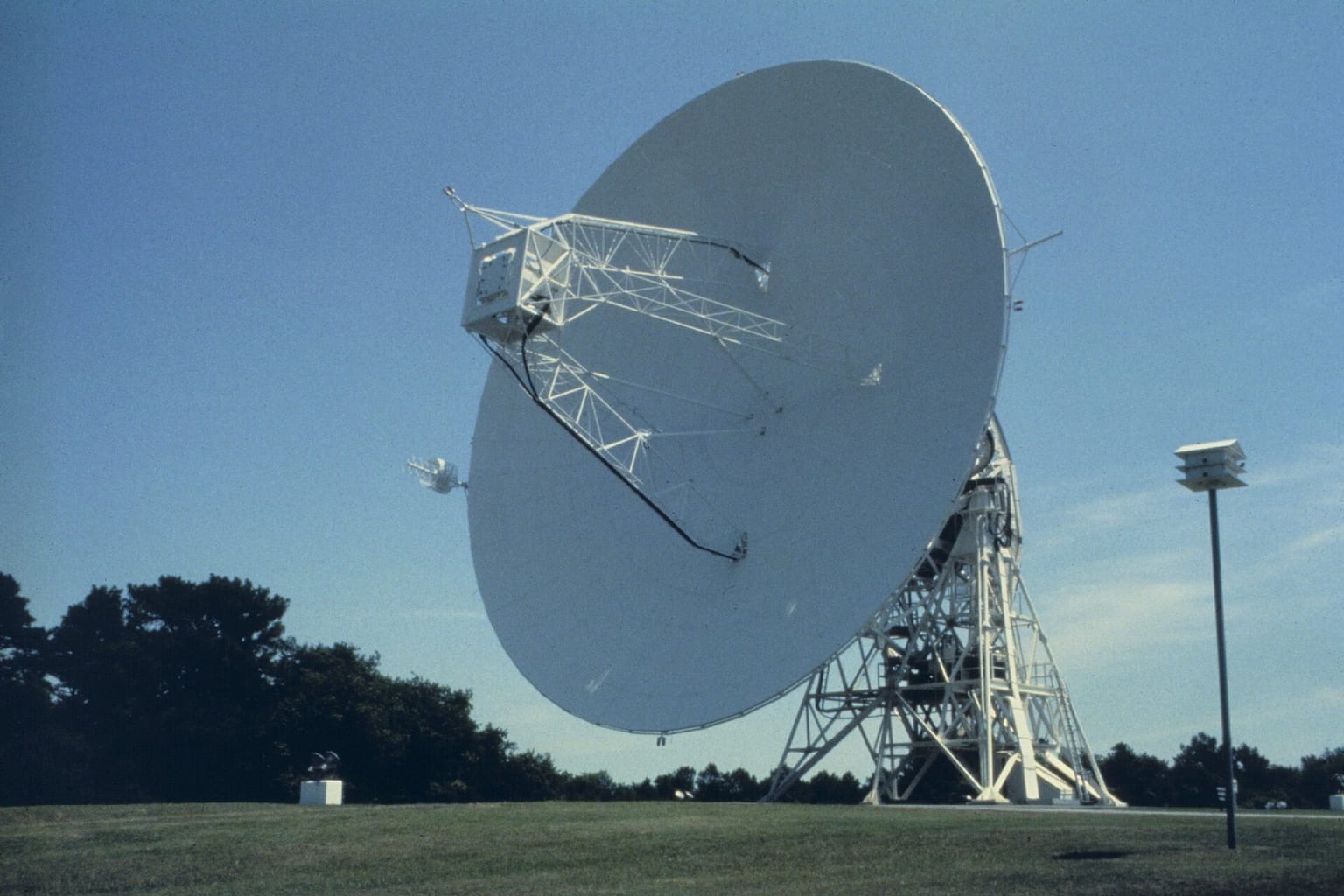
A single optical ground station in Jeju has received data from a US low-Earth-orbit satellite. Space ground station specialist Contec said it successfully completed a trial in which this station received a total of 33GB of data from a low-Earth-orbit satellite at about 2.5Gbps. As satellite constellations and small satellites proliferate and demand for data reception surges, the achievement demonstrates the competitiveness of communications infrastructure that pulls data down from orbit.
In a related development, Contec's US subsidiary TXSpace successfully completed a local factory acceptance test (FAT) for two 9m antennas destined for a solar observation satellite receiving station. FAT is a test that verifies the performance of equipment built at the factory before it is delivered on site. The equipment will be used to receive data from solar observation satellites operated by the National Aeronautics and Space Administration (NASA) and the National Oceanic and Atmospheric Administration (NOAA). The milestone shows the company's ability to build large antennas and integrate ground station systems.
CEO Seo Dong-chun said the company will shift the focus of its business. Until now, Contec's core business has been developing ground systems needed for satellite control and designing and building ground stations. Seo said the company will add ground station as a service (GSaaS, a business model that provides ground station infrastructure as a service) and satellite imagery processing and analysis. By his account, construction projects will bring in early revenue and new customers, while GSaaS will generate recurring revenue from the global ground station network the company has already deployed.
For this model to translate into profits, both ground station utilization and the number of customers using the services must rise. Seo said the company has concentrated its investment on its global ground station network and will now turn that investment into revenue and improved profitability. For satellite operators, this opens a path to using ground stations as a service rather than building their own. However, the company has not disclosed revenue targets or timelines.
The next steps follow two paths. One is to combine preprocessing and quality correction of satellite imagery with AI-based image analysis, expanding into industrial and public sectors such as climate and environmental monitoring and disaster response. The other is to build, on the Asian Space Park, a next-generation encryption framework that combines the company's own encryption algorithms with post-quantum cryptography (PQC) and quantum key distribution (QKD). The aim is to strengthen communications security and data confidentiality between satellites and ground stations, and between ground stations and data centers. This plan is still at the planning stage.
Sources — read the originals(Paris time)
Read next
Comments
Loading the thread…
Sign in to leave a comment. Sign in