Diabetic foot ulcers: AI reads heat to predict healing at first visit
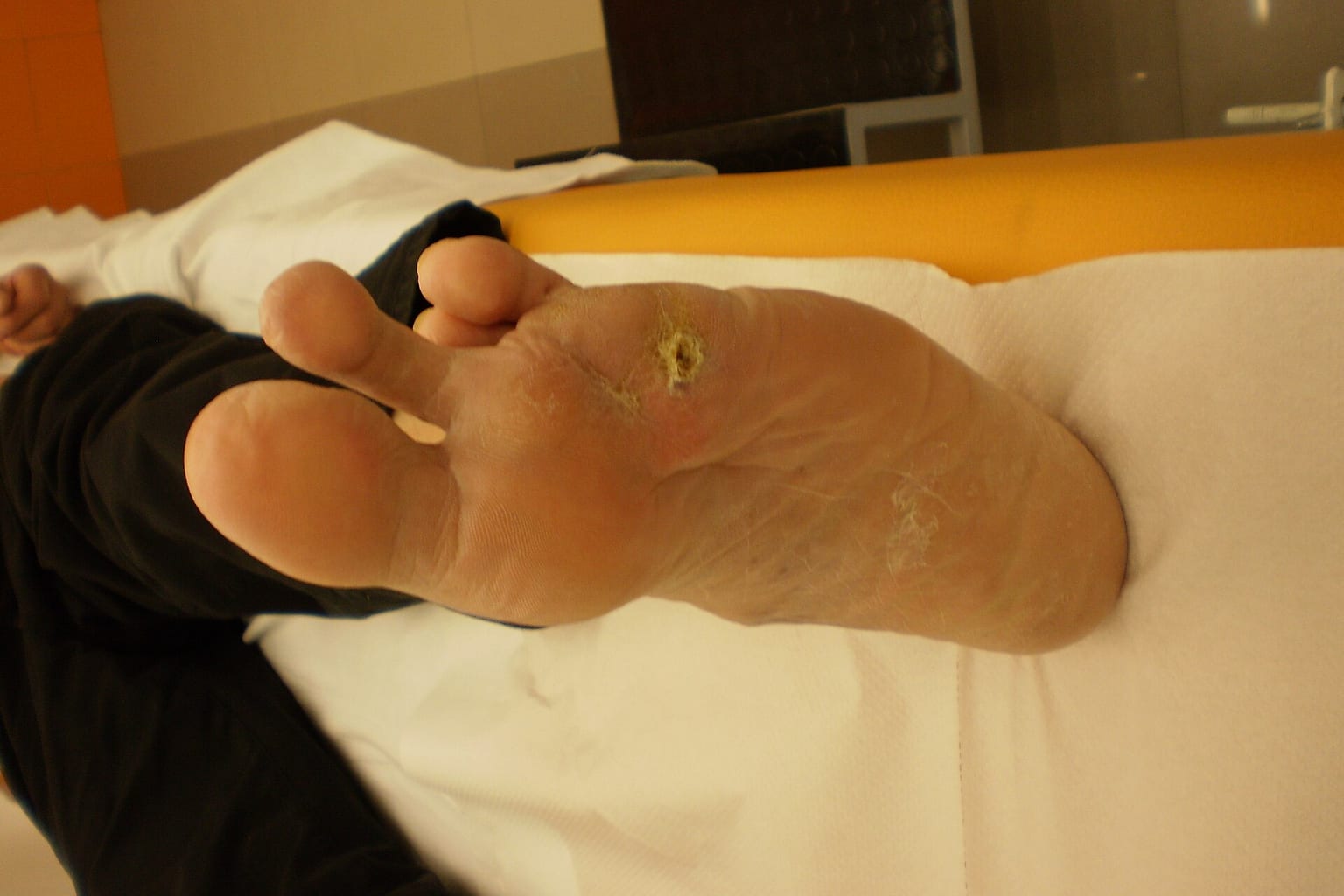
For four weeks, a diabetic foot ulcer is watched before anyone can say whether it is healing. That is how clinical guidelines work: progress is assessed over the first month of treatment. Australian researchers now report a tool that aims to answer the question much sooner, using a thermal image taken at the first visit.
Diabetes affects more than 500 million people worldwide, and about a third of them will develop a foot ulcer during their lives. Left unmanaged, an ulcer can become infected and lead to hospitalization or amputation. The sooner a clinician knows a wound is struggling, the sooner they can change the treatment or escalate care.
The tool, called THERMUL, works from thermal imaging. A lightweight thermal camera records the heat given off by the skin around the ulcer, and an AI model analyses the texture of that image. The team, from RMIT University, the University of Melbourne and the aged care provider Bolton Clarke, trained the model on 110 patients with diabetes-related foot ulcers treated at Austin Health and St Vincent's Hospital in Melbourne. Images were taken when patients first came to the clinic, then two and four weeks later. Clinicians recorded at 12 weeks whether each ulcer had healed, and the model learned which heat patterns went with healing and which did not.
The study, published in the Journal of Diabetes Science and Technology, is cautious about what it shows. Its authors describe it as an early feasibility study. As a first test, the trained model was applied to seven thermal images from a separate set that it had never seen, a step the authors present as a preliminary feasibility assessment. Dinesh Kumar, the RMIT engineer who led the work, said the patterns may give an early indication of a wound's likely path, so that clinicians can decide who needs earlier intervention. Elif Ekinci, an endocrinologist at the University of Melbourne, put the stakes in money as well as health: she estimates that diabetes-related foot disease costs Australia's health system about $875 million a year.
The group most likely to gain is people who live far from specialist foot services. Rajna Ogrin, a senior research fellow at Bolton Clarke, noted that people in regional, rural and remote areas, especially those cared for at home or through outreach services, may not get timely access to specialists. A portable, noncontact tool could bring that level of decision support closer to them.
THERMUL is not yet in use. It is still going through additional validation and development before it can be used in healthcare settings, and the researchers have not announced a date for that. The next step is to show, on far more patients, that the first-visit prediction holds up.
Sources — read the originals(Paris time)
Pages consulted while writing
Read next
Comments
Loading the thread…
Sign in to leave a comment. Sign in