Driverless trucks now operate on Texas and California test routes
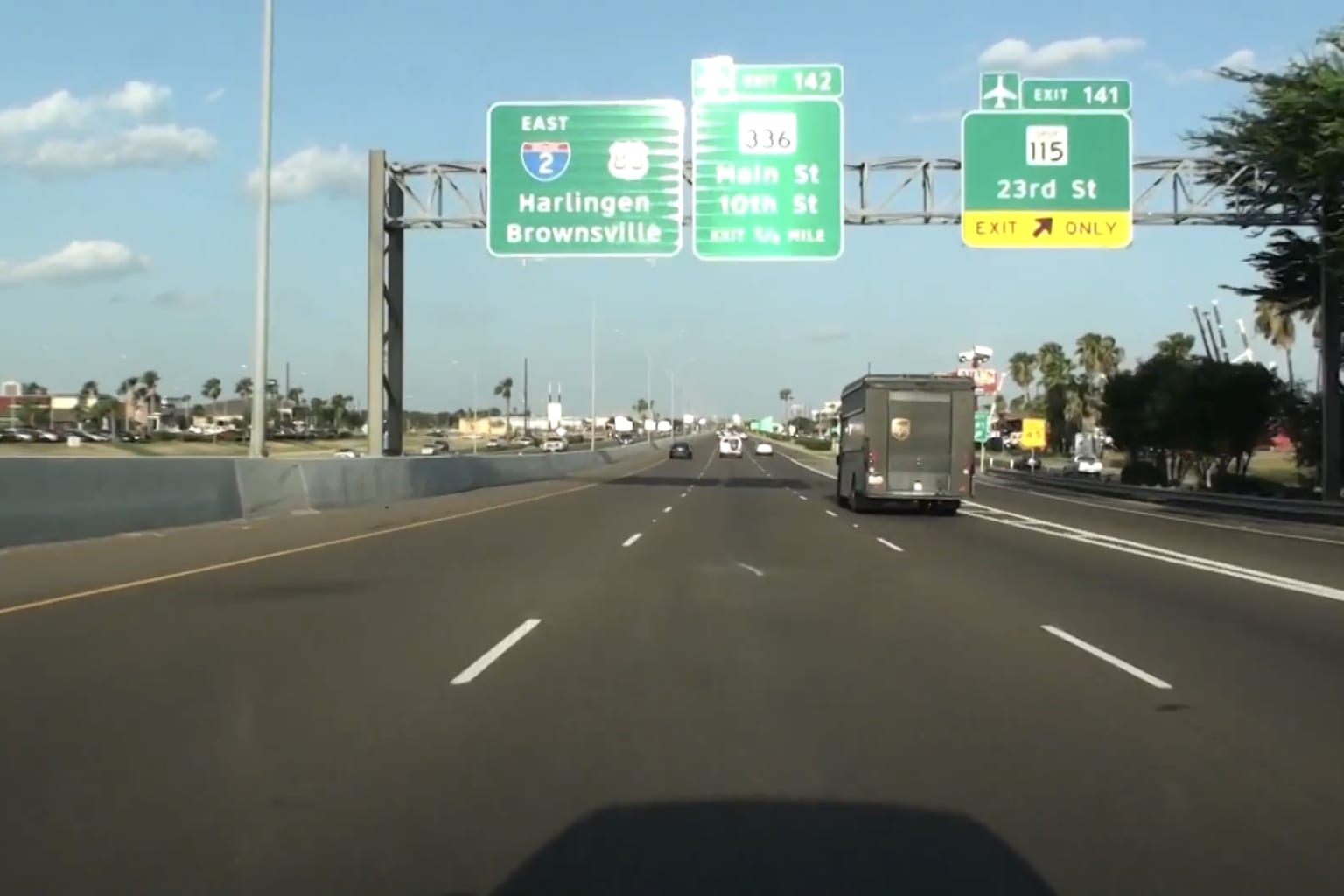
On a flat, straight stretch of Interstate 45 between Dallas and Houston, Aurora is operating large freight trucks without a driver at the wheel. The run is modest in scope, but it is a real road, with real freight, and it shows what driverless trucking looks like today.
The technology rests on a combination of AI, machine learning, computer vision and adaptive decision-making. Torc, another developer, uses AI to merge data from several sensors and build models that predict how the truck will perform. On the ground, rival Kodiak's robotrucks deliver sand to industrial sites in Texas, on roads few people use. A few companies have also started testing early models on limited routes in California. Developers have chosen these roads deliberately: a straight highway in good weather, or a remote industrial route, removes the most difficult situations from the test.
The benefits are what makes the effort worth pursuing. Data from modern big rigs already equipped with automatic emergency braking and lane-keeping assistance suggest that fully automated trucks could reduce the number and severity of crashes. Simulations of automated fleets point to fuel savings from optimized acceleration and braking, and from platooning, where several trucks run in a close convoy. Because driverless trucks could run almost 24 hours a day and would not need to idle when parked, they could also cut the emissions that regular rigs produce at truck stops. Automation could also ease the driver shortage and make the job less stressful and less physically demanding.
The limits are just as concrete. Snow and rain stop sensors, radars and cameras from seeing the road, which is why Waymo operates its driverless cars only in areas that get no snow. Construction zones with orange cones, narrow lanes and missing lane lines are hard to handle, and few automated trucks are tested in chaotic urban traffic. The retreat has also been real: Embark, TuSimple and Locomotion closed in 2023, and other developers narrowed their work to dedicated routes between two large cities or manufacturing sites.
For the coming years, the most realistic model is a team of driver and truck. A human would drive the "first mile" through the warehouse yard and local streets, the automation would take over on the highway, and the driver would return for the "last mile". An engineer who studies human factors argues that the cab interface will be decisive, with screens or vibrating seats signalling when the automation cannot handle a situation. For operators, this means the economic gain comes first on long, predictable routes, while full driverless operation on a large scale stays a longer-term goal.
Sources — read the originals(Paris time)
Read next
Comments
Loading the thread…
Sign in to leave a comment. Sign in