Electricity storage: a dense liquid aims to replace water
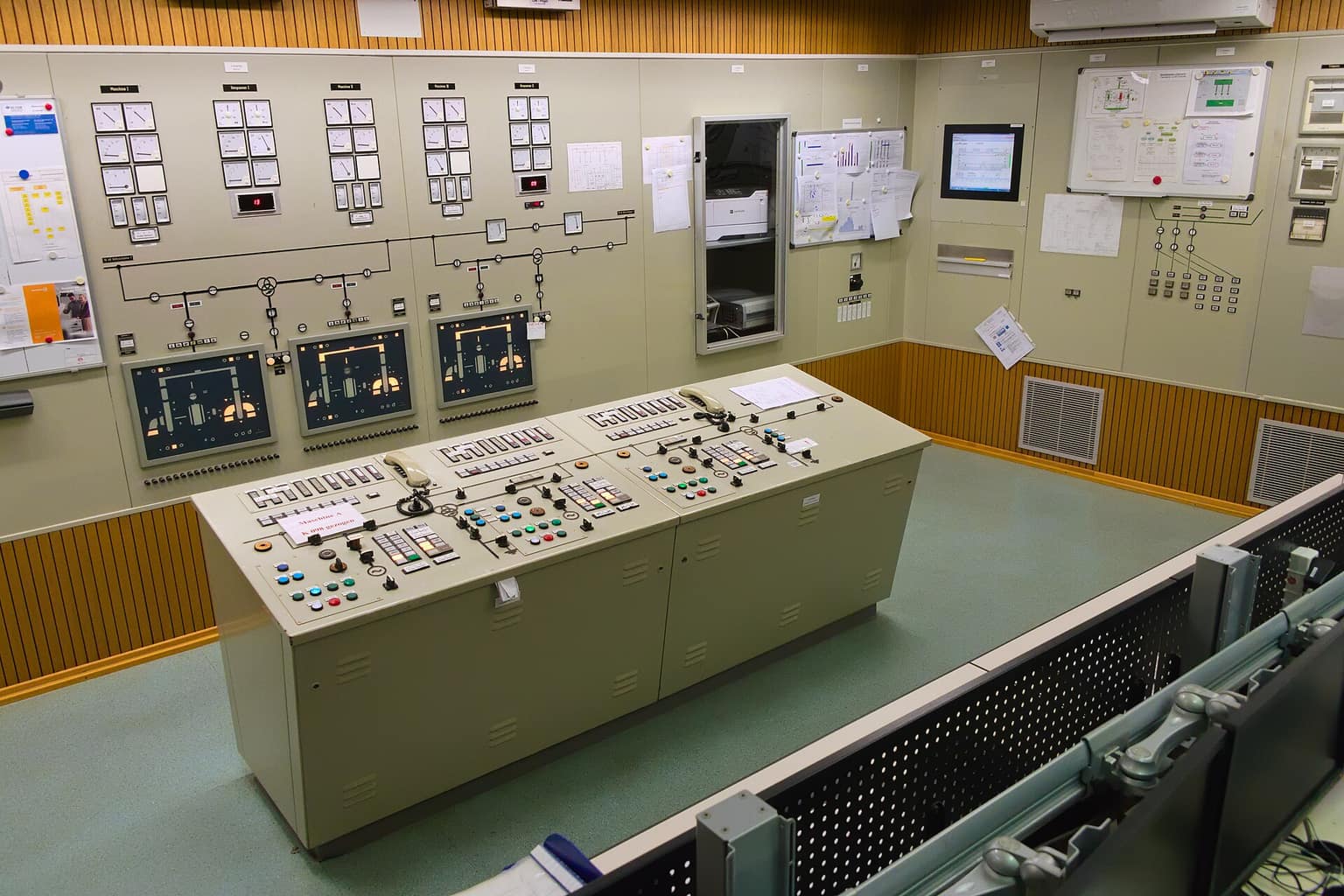
Near Plymouth, in south-west England, a 500 kW demonstrator is installed on a former mining site. It is being used to test a custom-built turbine. This liquid is the proposal of RheEnergise, a British startup founded in 2019: replacing water with a fluid that is 2.5 times denser, so that electricity can be stored with far less height difference.
The principle has existed for more than a century. A pumped-storage plant sends water up to an elevated reservoir when electricity is plentiful, then lets it flow back down, driving a turbine when power is needed. Today it is the most widely used and most mature form of stationary energy storage in the world.
The problem lies in the physics of water, which is not very dense. To store a large amount of energy, you need a big difference in altitude between two reservoirs, and therefore a mountain. This is why the vast majority of pumped-storage plants are located in mountainous areas, and their deployment remains limited near urban centres, where there is little relief.
RheEnergise's idea is to change the liquid. Its fluid, called R-19, behaves like a paste when it is still: it is loaded with very fine mineral particles, and concrete can float in it. As soon as it is pushed, it becomes almost as fluid as water. The simplest comparison is ketchup that you shake: it stays stuck in the bottle, then flows as soon as you press the bottle. The company describes it at times as a hydrogel, and at other times as a mineral suspension in water.
Density directly affects the height required. According to the company, the same amount of energy requires only 40% of the height difference of a conventional pumped-storage plant. On paper, the higher density could even yield 2.5 times more energy from a given installation, but this calculation remains theoretical. The fluid costs more than water, and pumps and turbines must be custom-designed, according to the designers.
The project is advancing in stages. In September 2022, field tests conducted at a site in Quebec validated, according to the company, the basic principle. The British government awarded RheEnergise a £8.25 million contract to build its first long-duration storage system. The demonstrator is being used to test the turbine, the behaviour of the fluid and the resistance of the pipes. On site, R-19 is still being mixed and gradually introduced into the circuit. These results come from the company itself, and no commercial plant exists yet.
If the project stays on schedule, the first commercial plant should come online by the end of 2028, according to RheEnergise. It will show whether a dense liquid can turn hills and the outskirts of cities into places for storing electricity.
Sources — read the originals(Paris time)
Pages consulted while writing
Read next
Comments
Loading the thread…
Sign in to leave a comment. Sign in