Engineered E. coli turns plastic into Parkinson's drug, early stage
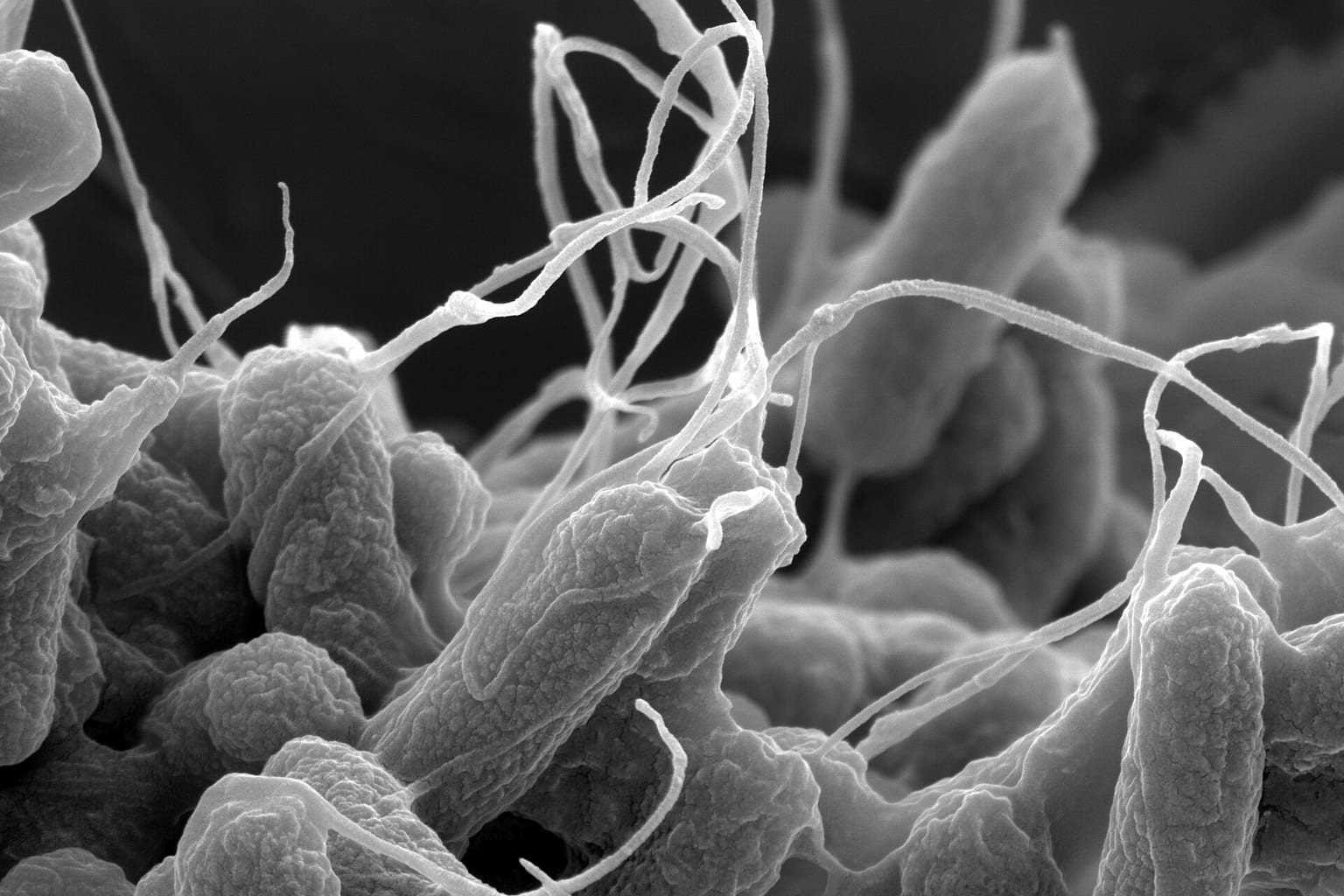
Bacteria usually make the news for outbreaks, infections and deaths. At the University of Edinburgh, a research team is turning one kind of bacterium into a laboratory tool for making medicine, and the raw material it uses is plastic.
The team uses genetically engineered E. coli to produce levodopa, a medication for Parkinson's disease. The process is called bio-upcycling. It has already been used to create various other products from plastic, but the researchers believe this is the first use of it to make a drug for a neurological disease.
Levodopa is the medication often used when symptoms become too much to handle with other drugs. A more sustainable way to make it would matter to anyone who depends on it, but the bacteria are not yet a route to patients. The team describes the discovery as being at an early stage.
The same feature shows the wider pattern. Other researchers in Western Australia have found marine bacteria that could grow PHA, a bioplastic that can be made from waste and has a smaller carbon footprint than traditional plastic. In Western Sydney, scientists have found that wheat plants signal for friendly soil bacteria during drought, and that reintroducing those bacteria helped drought-affected crops grow taller and produce more grain.
For patients and drug makers, the gain would be a process that could make medicines more sustainably, starting from waste. That gain depends on several steps the sources do not describe: scale, cost and approval. No date is given for when a bacterial version of levodopa could reach a pharmacy, so for now the change is a promise to watch rather than a treatment to prescribe.
Sources — read the originals(Paris time)
Read next
Comments
Loading the thread…
Sign in to leave a comment. Sign in