Engineered probiotic senses gut inflammation and repairs it
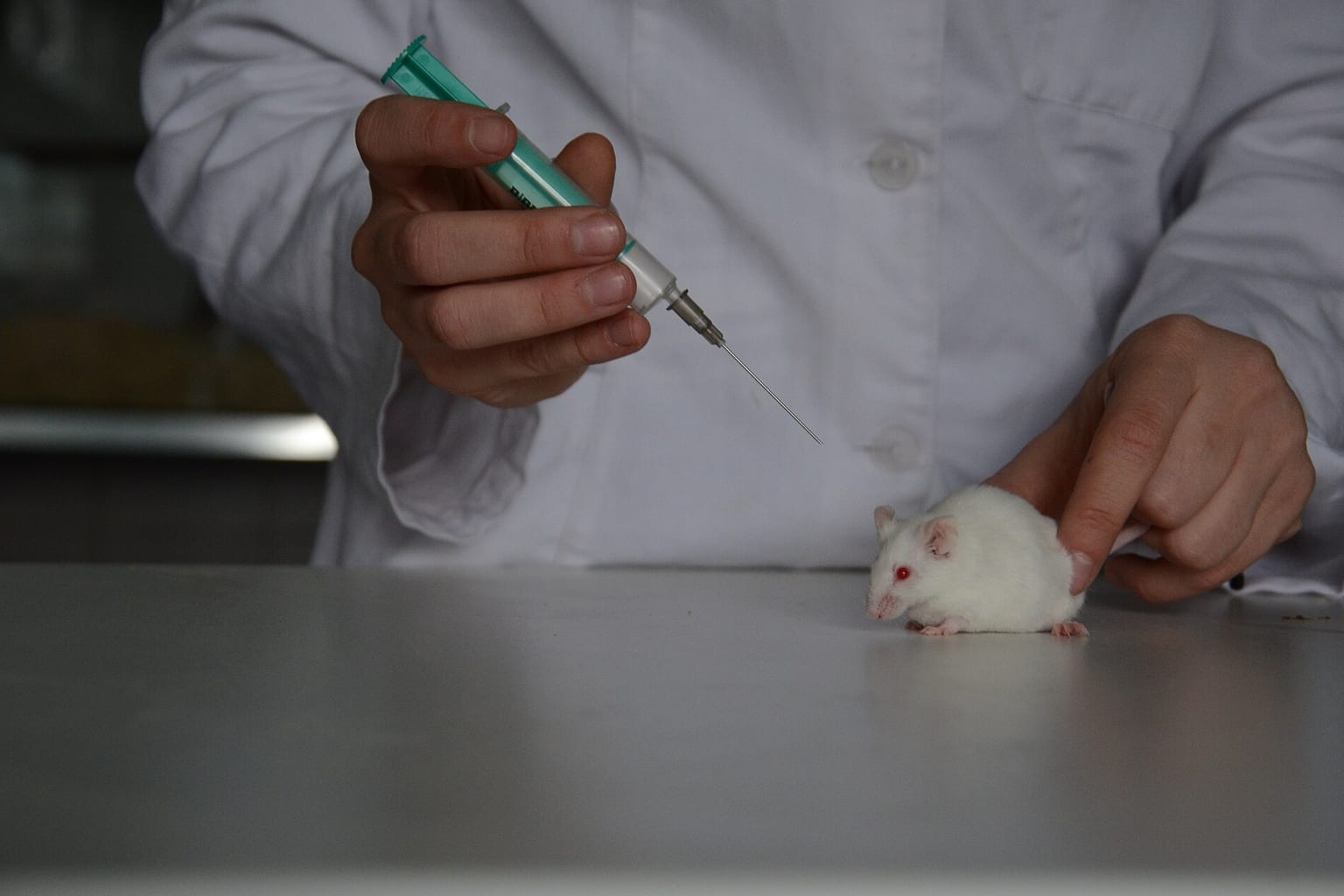
Give a probiotic bacterium a sensor and a repair order, and it can wait in the gut until damage appears. That is the design Yu Zhao of Hunan University and colleagues report in the journal Cell Reports. In mice with chemically induced colitis, the engineered bacteria reduced tissue damage and promoted recovery of the gut lining.
The starting point was Escherichia coli Nissle 1917, a strain already used as a probiotic. The team added a genetic switch that reacts to reactive oxygen species, chemicals that accumulate in inflamed intestinal tissue. When the switch was connected to a light-producing enzyme, the stool of mice given the bacteria by mouth showed stronger light signals as inflammation developed. The signal followed the severity of tissue damage rather than the number of bacteria, which suggested the microbes were reporting the state of the gut. Stool samples from eight people with inflammatory bowel disease and eight healthy volunteers told the same story: after six hours, the samples from the disease group produced stronger signals.
For the repair part, the researchers chose interleukin-22, or IL-22, a signalling protein that encourages intestinal cells to regenerate, in a modified form with a longer half-life. Bacteria producing it continuously reduced intestinal damage in several mouse models of colitis, compared with control bacteria lacking the instructions. A fluorescent tracer test showed that less of the tracer reached the blood of treated mice, a sign that the gut was less leaky. The benefit disappeared in mice lacking the receptor that recognises IL-22, which supports the idea that the protein works through the intended repair pathway. In piglets with chemically induced colitis, the continuously producing version also preserved intestinal structure, although the experiment involved only three piglets per group.
The final step linked production of IL-22-Fc to the inflammation sensor, so that the bacteria make the protein only when the chemical cue appears. In a separate mouse experiment, this on-demand version reduced tissue injury and increased markers of cell growth and barrier repair. For patients, the implication is a treatment that could act where the gut is damaged, without releasing the repair protein on a fixed timetable. That remains a hypothesis. The authors have not shown that the approach is safe or effective in people, and the stool test does not establish a clinical diagnostic tool. The next question for the team is whether bacteria can deliver enough repair protein, in the right places and for long enough, to help a human gut heal.
Sources — read the originals(Paris time)
Read next
Comments
Loading the thread…
Sign in to leave a comment. Sign in