England starts testing AI in breast screening for nearly 700,000 women
On Monday, England's National Health Service (NHS) announced the launch of what it calls the world's largest trial of AI-assisted breast cancer screening. Over the next three years, nearly 700,000 women will be invited to take part. Hundreds have already been asked, and recruitment has started at Cambridge University Hospitals, in eastern England.
For the woman in the screening room, almost nothing changes. The appointment stays the same, and only the way the pictures are read is different. Health Secretary Yvette Cooper praised the technology's “huge potential”, while promising “proper safeguards” on safety and effectiveness. “If successful,” she said, “this technology could help women get a breast cancer diagnosis and start treatment much more quickly.”
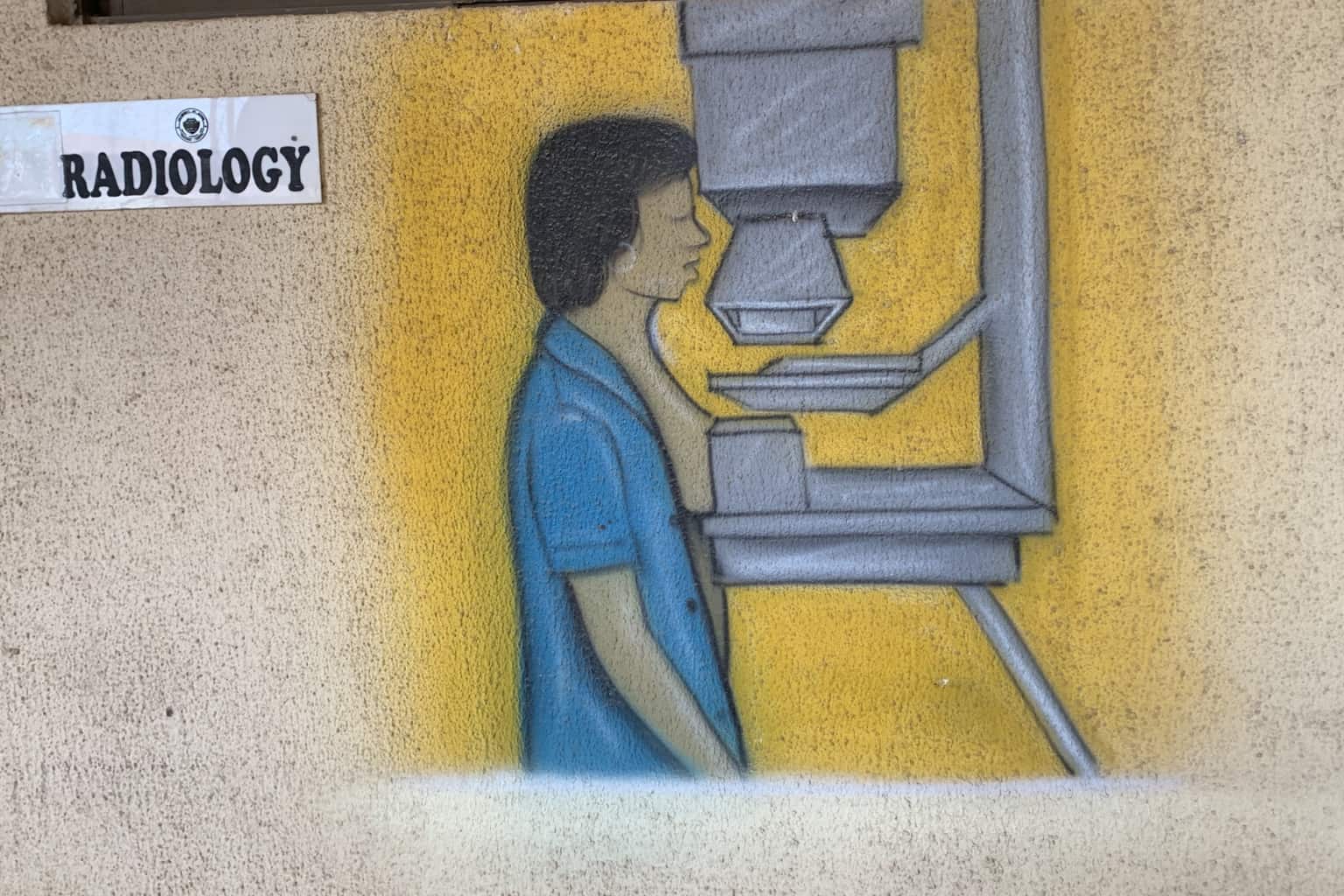
The starting point is the mammogram, an X-ray of the breast used to look for cancer before any symptom appears. Women aged 50 to 71 are invited every three years, which amounts to about 2.1 million screenings a year, and the NHS estimates the programme prevents around 1,300 deaths. Today every mammogram is read by two specialists, a safety net that catches what one reader misses. Yet only about 1% of mammograms show signs of cancer, so much of that reading time goes to clear scans. About one in four breast cancers in the screened population are found between screening rounds, not at the screening itself.
The trial, called EDITH, is led by the University of Warwick, the University of Cambridge and Cambridge University Hospitals NHS Foundation Trust, working with NHS England. It runs two designs in parallel: an AI system that grades images before an NHS specialist sees them, and one that reviews them afterwards. Its central question is whether most images could be read by one specialist instead of two. The aim is to spot cancers too small to see or feel, with specialists still checking every image alongside the tool. Four AI systems are being assessed.
The idea already has evidence behind it, though of a different kind. A study in The Lancet, published in January, analysed nearly 106,000 mammograms from Sweden's national screening programme, taken between April 2021 and early December 2022, and found that AI can improve detection while reducing radiologists' workloads. A Lancet Digital Health study from the Netherlands found that one human reader working with AI detected more breast cancers than two human readers. Those studies look back at scans already taken. EDITH tests the change in live screening, and the figures on what it will show are still to come.
What it could change is concrete. If the single-reader approach holds up, specialists would spend less time on routine images and more on the hard cases, and women could be diagnosed and treated sooner. The next step is the opening of the other planned sites over the coming months, with more of the 30 selected sites joining. The trial itself runs for three years.
Sources — read the originals(Paris time)
Pages consulted while writing
Read next
Comments
Loading the thread…
Sign in to leave a comment. Sign in