Experimental pill shrinks lung and pancreatic tumors in some patients
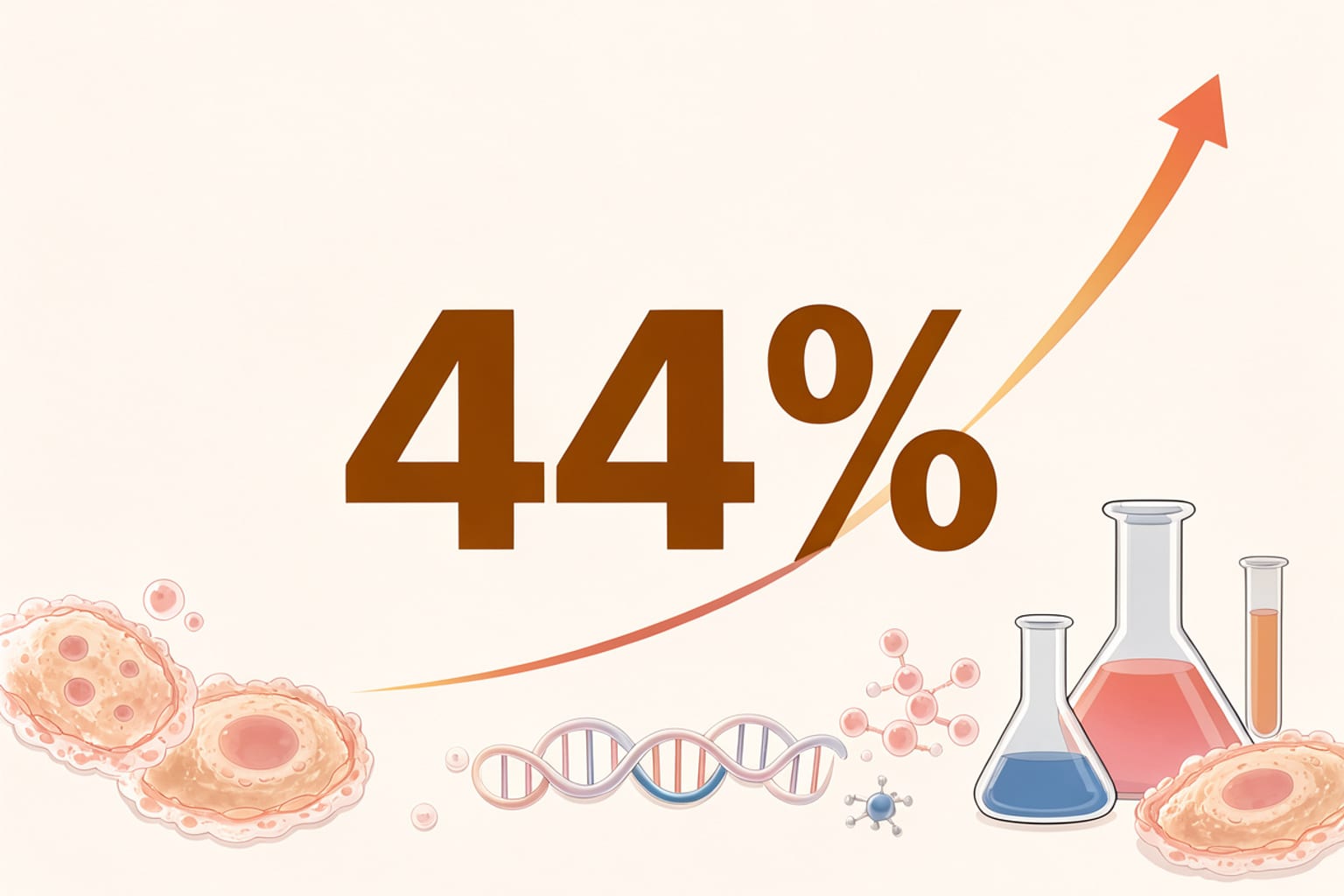
At a cancer meeting in Barcelona in November, researchers reported that an experimental pill had shrunk tumors in patients who had already tried other treatments. Dr. Judy Wang, a medical oncologist at Florida Cancer Specialists and Research Institute in Sarasota, presented the first results of the AURORAS-1 trial at the 38th EORTC-NCI-AACR Symposium. Among patients with pancreatic cancer who had already had chemotherapy, tumors shrank in 11 of 25, or 44%, when they took 32 mg of the drug once a day.
The problem is an old one. RAS proteins, made by the KRAS, NRAS and HRAS genes, act as molecular switches that tell a cell when to grow. When a mutation jams a switch in the “on” position, the growth signals never stop, and such mutations sit behind many of the hardest cancers to treat, including pancreatic and lung cancers. Researchers have long found RAS an elusive target. Until recently, it was not thought possible to design drugs that could hit these mutations successfully.
The drug, ERAS-0015, is what its developer calls a “pan-RAS molecular glue.” A molecular glue is a molecule that brings two proteins together, and here the bond is made with the RAS switch while it is in the “on” state, which blocks the signal it sends. The “pan” means the drug is designed to work against several cancer-driving RAS mutations, not just one. Wang framed the aim this way: “The overall goal of precision oncology is to match a patient’s mutation, or the ‘Achilles heel’ of a specific individual’s cancer, to a drug that directly targets that mutation.”
AURORAS-1 began in June 2025 and tests ERAS-0015 alone and combined with other anticancer therapies. It enrolls patients with several types of RAS-mutant solid tumors, including lung cancer that has spread beyond its original site, pancreatic cancer and colorectal cancer. The results presented cover 83 patients with pancreatic cancer and 37 with lung cancer, although the symposium summary gives a total of 148 patients, a figure the breakdown does not add up to. The trial is still enrolling.
Doses ranged from 2 mg up to 40 mg. Over a median follow-up of just over four months, the highest dose tested had not reached the level at which side effects become too severe to continue. The dose used in the efficacy results was 32 mg. In lung cancer, three of five patients (60%) had their tumors shrink at that dose; all five had previously received immunotherapy or platinum-based chemotherapy. Five patients is a very small group. Other reports cite higher, unconfirmed rates of 50% for pancreatic and 64% for lung cancer; the figures above are the confirmed ones.
Side effects were mostly manageable in the presented data. Rash, diarrhea, nausea and inflammation of the lining of the mouth affected 10% or more of patients at doses of 16 to 32 mg. Twelve patients, or 9.8%, had severe side effects linked to the treatment, and none of them forced a dose limit. A later update covering 54 patients at 32 mg reported that side effects led to treatment pauses in 13% and dose reductions in 16.7%, with no one stopping the drug. Erasca, the company developing ERAS-0015, had earlier disclosed one fatal case of pneumonitis, an inflammation of lung tissue, in a patient taking the drug.
The field is moving in parallel. Revolution’s daraxonrasib, which also acts as a molecular glue, has a 300 mg dose in pancreatic cancer, about ten times the dose studied here. Analysts quoted by Biopharma Dive wrote that the data could make ERAS-0015 “a formidable competitor” in future, but they cautioned that comparisons across separate trials are error-prone and that the two drugs have never been tested head to head.
The researchers themselves are careful. Elena Garralda, who chairs the symposium but was not involved in the study, called the results “encouraging” antitumor activity in cancers that are hard to treat. The update also left questions open: it did not report how long responses last, nor how long patients live or go without their disease worsening. Phase 1 trials, which test safety and dosing first, always involve small numbers, and larger studies are needed to confirm the safety and efficacy of the drug.
For patients with RAS-driven pancreatic or lung cancer who have few options left, a pill that shrinks tumors would be a new kind of tool. The US Food and Drug Administration has granted ERAS-0015 Fast Track designation for metastatic pancreatic adenocarcinoma, a status meant to speed development of drugs for serious diseases. One analysis points to three registrational trials, the larger studies used to seek approval, targeted for 2027 onward. If the early numbers hold up in those groups, the trials will show whether a drug that brings proteins together can keep a switch from driving a cancer.
Sources — read the originals(Paris time)
Pages consulted while writing
Read next
Comments
Loading the thread…
Sign in to leave a comment. Sign in