FDA approves first hepatitis B injection aimed at functional cure
For many people with chronic hepatitis B, treatment means taking antiviral medication for years, sometimes indefinitely, just to keep the virus suppressed. The US Food and Drug Administration (FDA) has now approved a different route: Hibsago (bepirovirsen), an injection that studies show can keep the disease under control without endless doses of antiviral drugs.
Chronic hepatitis B affects more than 250 million people worldwide and causes upwards of a million deaths each year, largely through cirrhosis and liver cancer. Until now, most treatment has aimed at control: the virus is held down, and the pills continue. Hibsago aims at a “functional cure”, which is not a complete cure. The virus’s DNA and a protein called HBsAg must stay undetected for 24 weeks after all other treatment has stopped, which suggests the immune system keeps the infection in check without any ongoing intervention.
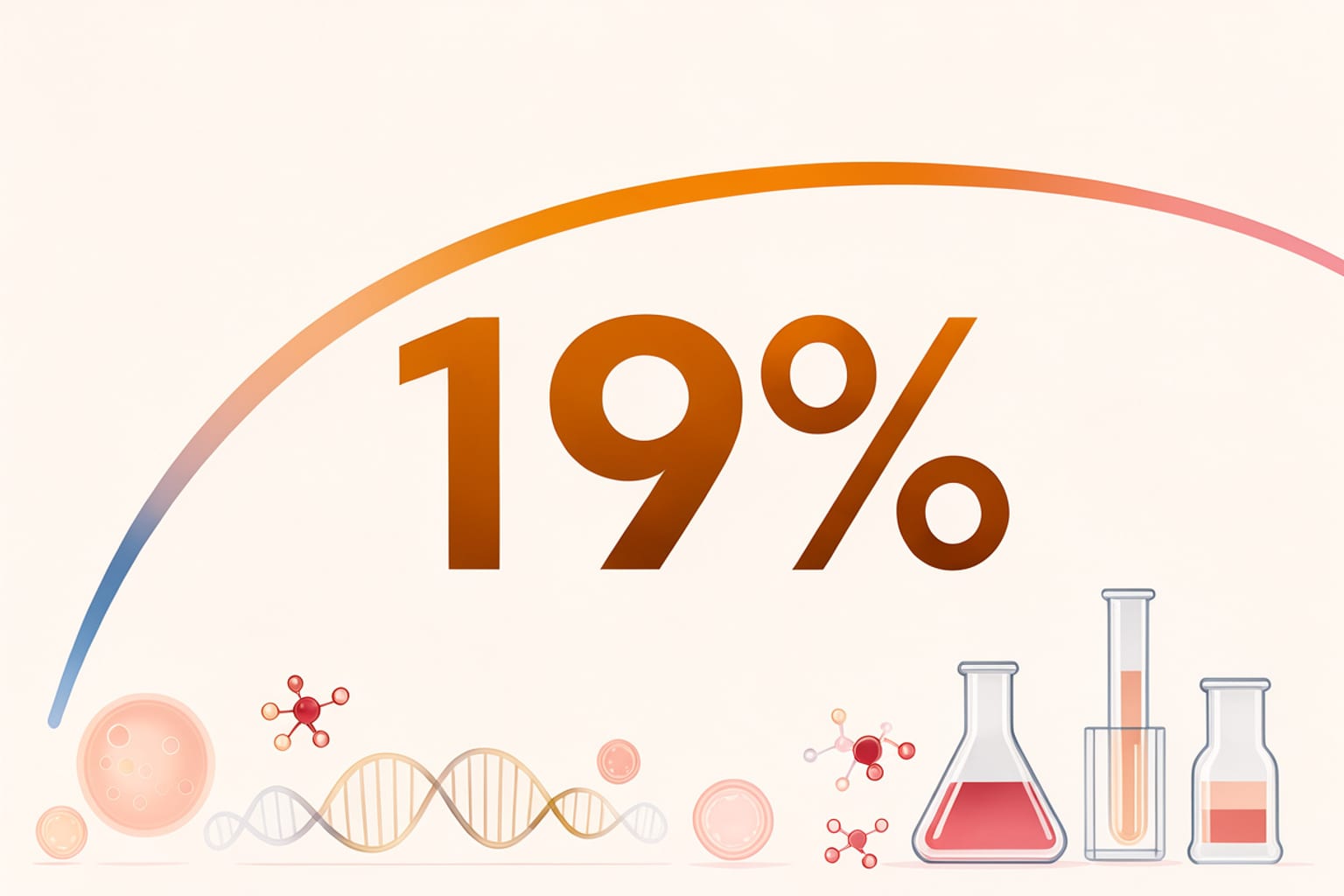
In the B-Well phase III trials, 19% of adults with up to 3,000 IU/ml of HBsAg reached functional cure, against less than 1% on standard care alone after 12 months. Across the two trials, 24% of patients on Hibsago met the criteria to stop their existing medicine, compared with none on placebo. One in five is a modest share, and the FDA granted the approval under its Priority Review and Breakthrough Therapy Designation, a category for significant improvement “over existing standard of care”. Four patients in five in that group did not reach functional cure.
The disease carries a heavy background. Chronic hepatitis B is reportedly the cause of an estimated 56% of liver cancers worldwide. A vaccine exists, but hesitancy towards it has grown, and other regions lack adequate access to it. Screening is poor, and efforts to block transmission from mother to child around birth have been complicated by myths and misinformation, particularly in the US.
For patients who qualify in the US, the change is practical. Eligibility requires being free of cirrhosis and having been on certain antiviral therapies for at least six months. The treatment is a six-month course, and after the first dose patients can self-administer. Dr. Norah Terrault, chief of gastroenterology and hepatology at USC Keck Medical Center, calls it “the start of a new era in treating people living with CHB”. The announcement says nothing about approvals outside the United States, and gives no date for when patients elsewhere could receive the drug.
Sources — read the originals(Paris time)
Read next
Comments
Loading the thread…
Sign in to leave a comment. Sign in