Firefly passes design review for NASA's four-drone Moon mission
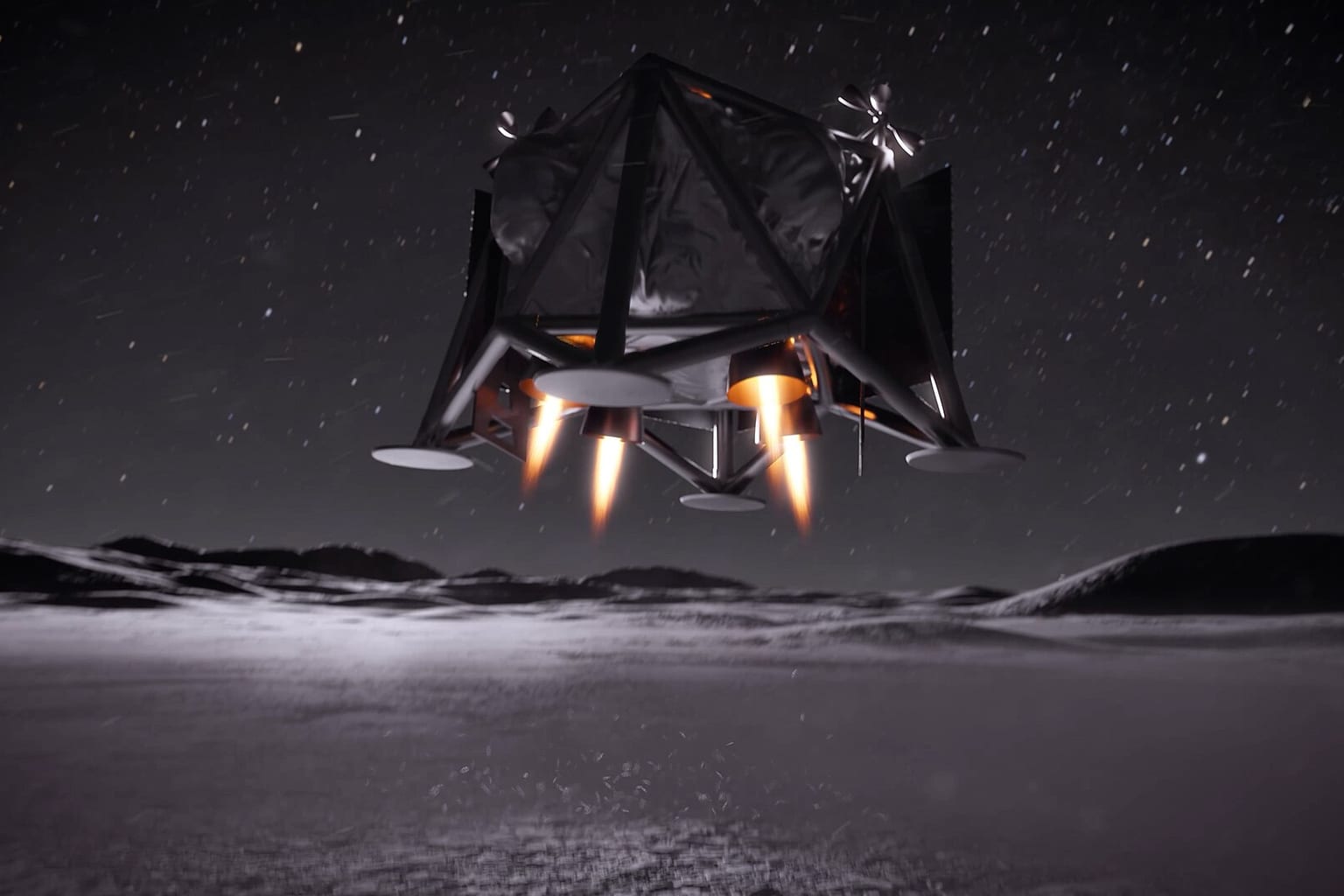
Four robotic drones are meant to fly over the Moon's south pole by late 2028, and the spacecraft that will carry them has just cleared its first major design check. On October 21, Texas-based Firefly Aerospace announced that its Elytra spacecraft had passed a preliminary design review (PDR) for NASA's MoonFall mission. The checkpoint is where engineers verify that a proposed design can meet the mission's requirements before any hardware is built.
The review examined Elytra's structure, thermal management, propulsion, avionics, navigation, communications and control systems, along with plans for qualification and environmental testing. Each has a job during the trip: propulsion moves the spacecraft toward the Moon, guidance and navigation keep its trajectory on course, and thermal systems protect equipment from temperature extremes in space. Firefly completed the review less than four months after contract award. Ray Allensworth, the company's vice president of spacecraft, said that speed reflected "the speed and rigor Firefly brings to every mission."
The company is careful about what the milestone proves. Firefly said the review confirmed that the design meets mission requirements, but described it as a design assessment rather than a demonstration of flight-ready hardware. The next step is a critical design review (CDR), a more detailed evaluation of whether the spacecraft is ready to move into manufacturing. The Moon drone deployment itself has not been demonstrated, and assembly and testing still lie ahead.
The drones are the part of MoonFall with the most at stake. The Jet Propulsion Laboratory (JPL) is building the four drones, which will use high-definition optical cameras and other instruments to survey the lunar south pole. NASA is arranging the launch vehicle. The region is being considered for future human exploration and infrastructure, and MoonFall belongs to the first phase of NASA's broader Moon Base initiative.
For mission planners, the value lies in what the drones could map before anyone lands. The observations could help them choose safer landing sites and identify resources that spacecraft, equipment and eventually astronauts would need. Firefly is aiming for launch readiness by late 2028, a date that depends on the critical design review, manufacturing and testing still to come.
Sources — read the originals(Paris time)
Read next
Comments
Loading the thread…
Sign in to leave a comment. Sign in