First Ebola vaccine trial starts in DR Congo outbreak
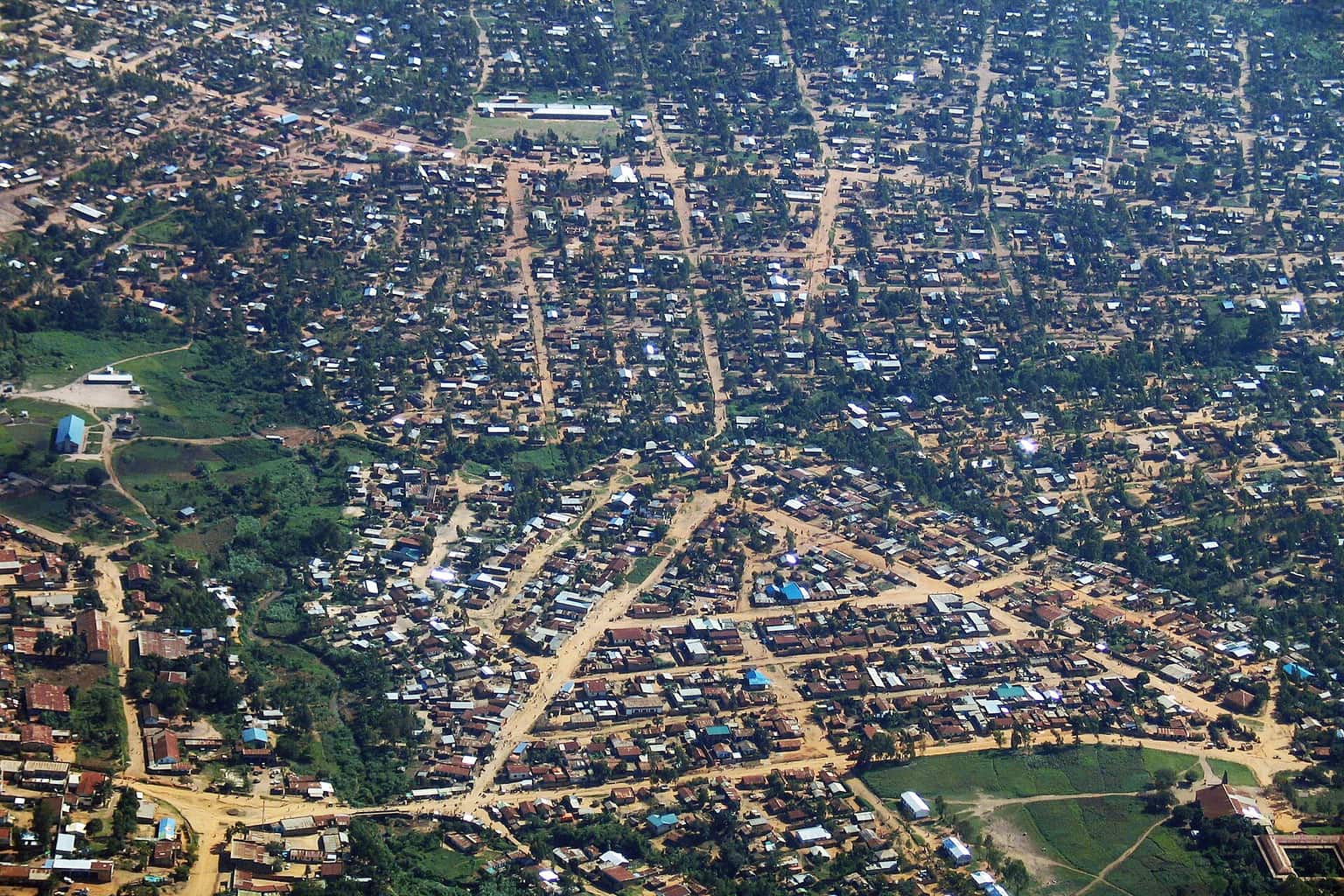
In Bunia, the capital of Ituri province in northeastern DR Congo, the first participants were vaccinated on Friday, with a first shot of Ervebo. The head of the World Health Organization, Tedros Adhanom Ghebreyesus, presented it as the first clinical trial of an Ebola vaccine in this outbreak. 'Science gives us hope,' he wrote on X, giving the new study the Swahili name Tumaini, meaning 'hope'.
The epidemic is the worst the DR Congo has ever recorded. It has passed 9,700 cases, with deaths above 4,600. The obstacle is clear: the Bundibugyo species has no approved vaccine or treatment, while Ervebo was approved for the more common Zaire strain. Health authorities wanted to know whether Ervebo could still protect against the Bundibugyo species, so they put it through a full-scale human trial. The WHO declared the epidemic a public health emergency of international concern on May 17, two days after the DR Congo announced its 17th Ebola outbreak on May 15.
Tumaini is built to test several vaccines in the same framework, measuring their safety, their efficacy and their immunogenicity, which is how strongly they trigger an immune response. The trial relies on ring vaccination: rather than vaccinating everyone, it immunizes the contacts of infected people who are judged to be at highest risk of infection. Two Bundibugyo-specific candidate vaccines are preparing to join it. One is a ChAdOx1 adenoviral vector shot developed by the University of Oxford; the other, from the US-based Moderna group, uses mRNA technology. Both are still in earlier, smaller trials and are expected to enter Tumaini 'shortly', according to the Coalition for Epidemic Preparedness Innovations.
For the people in Ituri, the change is concrete: the trial can produce the first evidence of how well a vaccine protects against Bundibugyo, and it includes pregnant women and children aged 12 and older, groups that trials often leave out. WHO emergencies director Chikwe Ihekweazu said that success would be 'the first time we have clear evidence of vaccine efficacy against Bundibugyo virus', a result that could change how the response is run in future outbreaks. No timetable for those results has been announced, and no number of participants has been given yet.
The next milestone is the arrival of the two Bundibugyo candidates in the trial, which will decide whether a vaccine can be used against a species that has so far had none.
Sources — read the originals(Paris time)
Read next
Comments
Loading the thread…
Sign in to leave a comment. Sign in