First private European rocket to reach orbit, from Norway
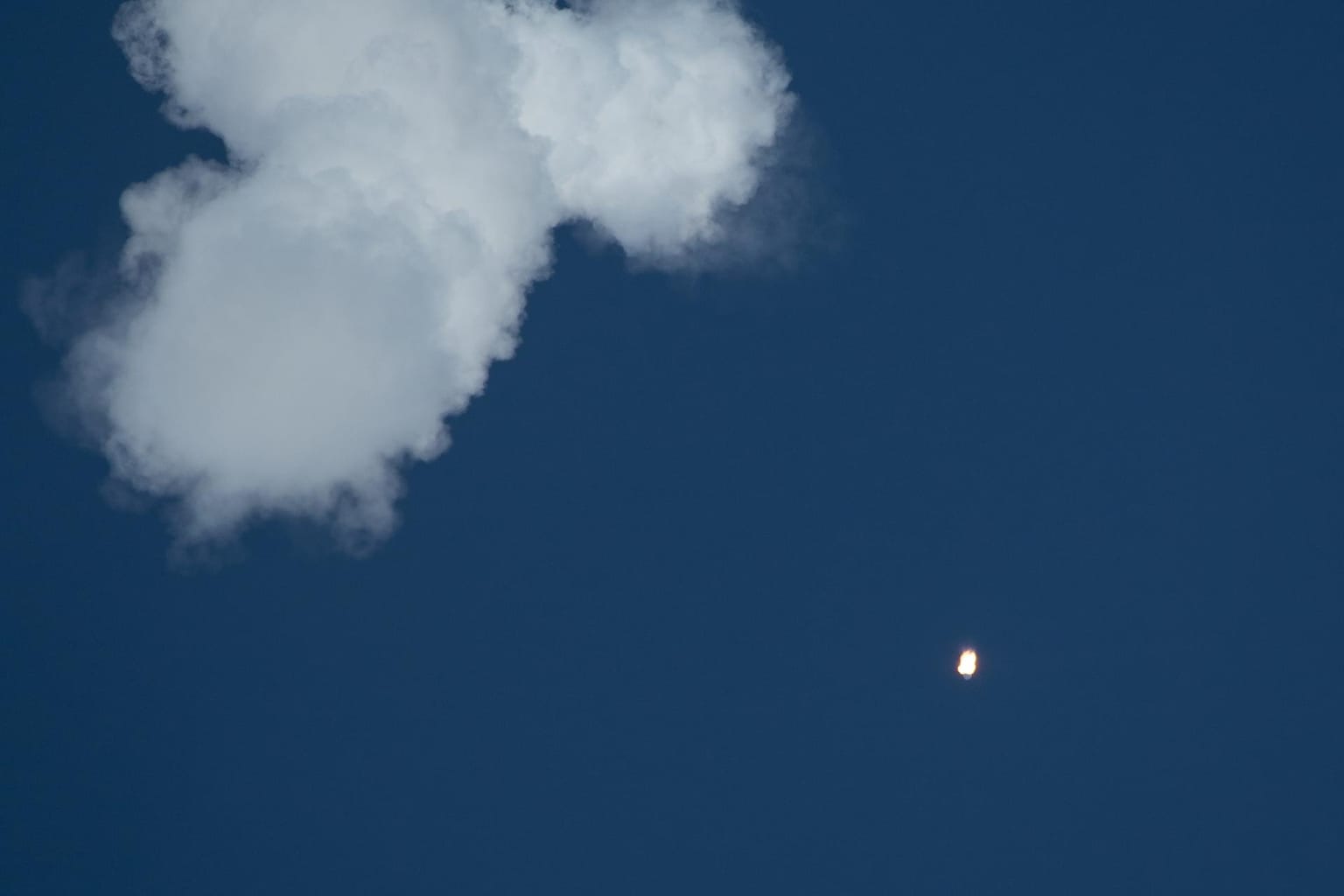
On the evening of 5 September 2026, a Spectrum rocket from Isar Aerospace lifted off from Andøya Spaceport, on Norway's coast north of the Arctic Circle, and reached orbit. The launcher is a two-stage vehicle 28 meters tall. The European Space Agency (ESA) records it as the first launch to orbit from continental Europe, and AFP reports that Isar became the first privately financed European company to get a rocket into orbit. For a continent that has relied for years on rockets built elsewhere to put its satellites up, that is the news.
The road there was long. The launch followed months of delays caused by technical or safety issues, and a March 2025 test flight in which a Spectrum plunged back toward Earth. Daniel Metzler, who founded Isar with two fellow students in 2018, compares the timeline with SpaceX's: SpaceX needed four attempts to reach orbit, Isar two. That comparison is his own, and it is the one that frames his company's ambitions.
The flight record is not yet unanimous. A news aggregator describes a different outcome: a loss of attitude control after an unintended opening of a vent valve, the rocket beginning to spin less than 20 seconds after liftoff, and a crash. Other accounts, including ESA's and a tracking database that lists payloads at roughly 520 by 600 kilometers, describe an orbit reached and six small spacecraft placed in it. Only that aggregator describes the crash; the agency and the orbital data in the material available do not, and nothing settles the question. Until the company publishes its own flight data, the orbit is confirmed by the sources that measured it, and the crash account remains unverified.
What matters most for customers is the backlog. Metzler says Isar could sell roughly 15 times more rockets for 2028 than it can produce, and that for every rocket it can deliver, 14 customers must be turned away. Eighteen months ago, about 85% of inquiries were commercial and 15% military; that ratio has since flipped, as European governments prefer European providers for their defense satellites. For operators of telecommunications and defense satellites, that means a second European option, with competition expected to push prices down. Isar has not published a price list, and the sources do not say when prices will be available.
Reuse is the next test. Isar plans to take first-stage reentry measurements on its next flight, and to fly hardware designed for reusability over the following three or four launches. Isar is working on reusable rockets to cut costs and catch up with Falcon 9, SpaceX's reusable rocket, but Isar does not yet recover or reuse its rockets, and the advertised payload capacity of 1,000 kg has not been demonstrated. The next flight will show whether the company can deliver the capacity its order book now demands.
Sources — read the originals(Paris time)
Pages consulted while writing
Read next
Comments
Loading the thread…
Sign in to leave a comment. Sign in