Folding gels like paper kirigami could shape tissue, in the lab
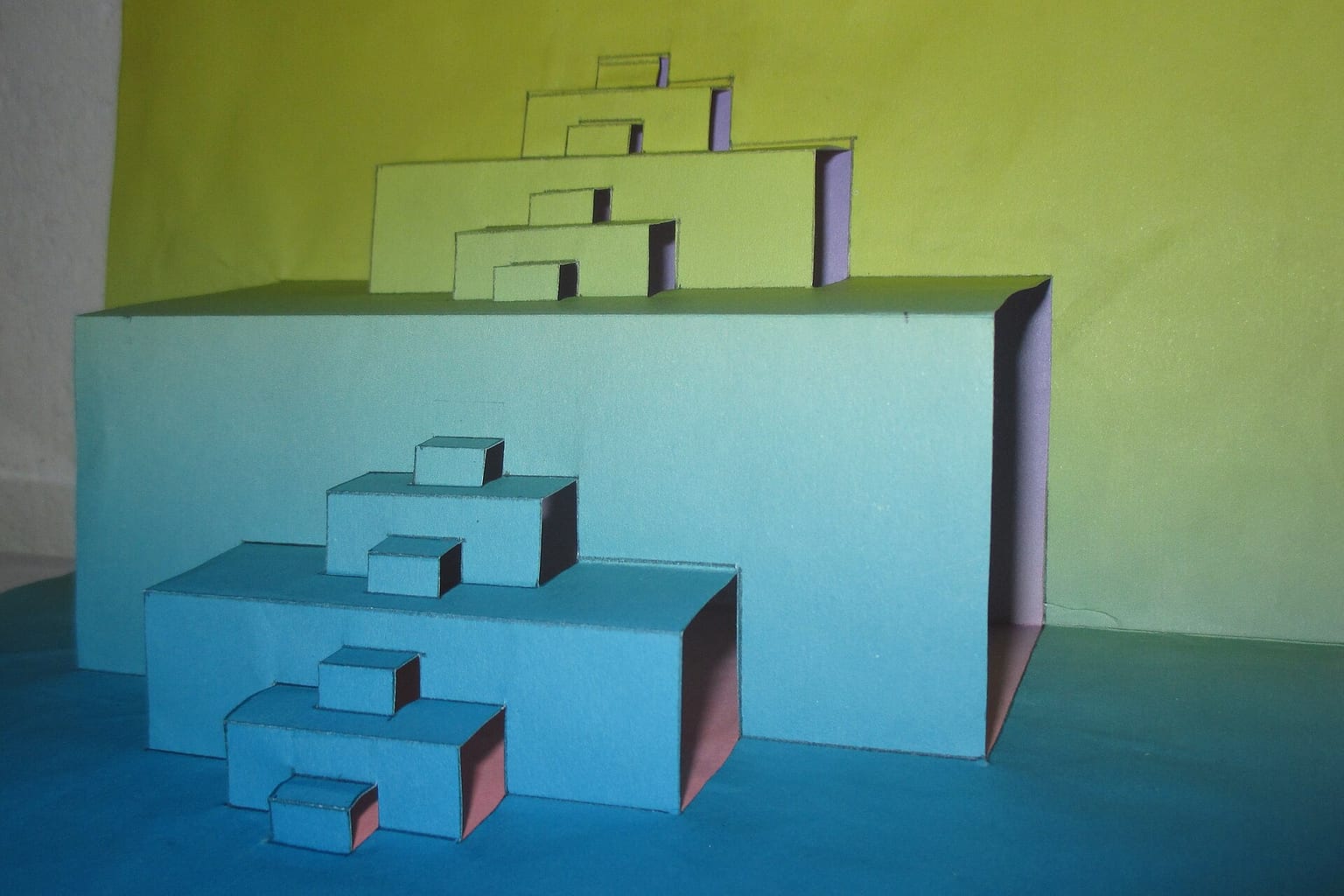
Fold a sheet of paper, cut a few slits, unfold it, and you get a snowflake. That is kirigami, and engineers have borrowed it for deployable structures for spacecraft and for semiconductors. At the University of Illinois Chicago's College of Engineering, a team has now applied the same logic to soft gels that can hold living cells, to build shapes that mimic tissue forms found in the human body.
Kirigami's techniques give flat, stiff materials new stretchability and flexibility, and they can reshape a material without changing its composition. Its potential has been explored in wearable technology and optics, but, as Gasvoda put it, not readily in tissue engineering or with soft, gel-like materials that carry cells. The team says conventional approaches "have struggled to reproduce some of these structures, particularly those with complex curvatures and other intricate features."
The mechanism rests on two ideas. The first is the hydrogel itself, a water-rich gel made from gelatin and alginate, a natural polymer derived from seaweed. The second is photolithography, a technique that uses patterned light to create regions with different crosslinking densities, meaning regions where the polymer chains are linked together more or less tightly. The researchers designed a rigid outer framework that keeps its shape in the culture medium, while the inner regions absorb the medium and expand. The difference makes the construct bend, fold and transform over time, which is what the paper calls "4D": a three-dimensional structure whose shape changes as time passes. The constructs take their final form without additional manipulation by the researchers.
The result is still a laboratory demonstration. The team has shown the platform can generate complex geometries alongside new tissue formation, but it has not yet been tested in animals, and the authors give no date for that step. Their long-term goal is clinical translation, which would be a further stage still.
For patients, nothing changes yet. For tissue engineers, the approach offers a new way to program the shape of a construct instead of sculpting it by hand. If the animal studies follow, the team's stated targets are cartilage, bone, tracheal and vascular tissues, the structures whose intricate three-dimensional shapes have been hardest to reproduce.
Comments
Loading the thread…
Sign in to leave a comment. Sign in