Fruit-fly study reveals a shared learning principle with AI
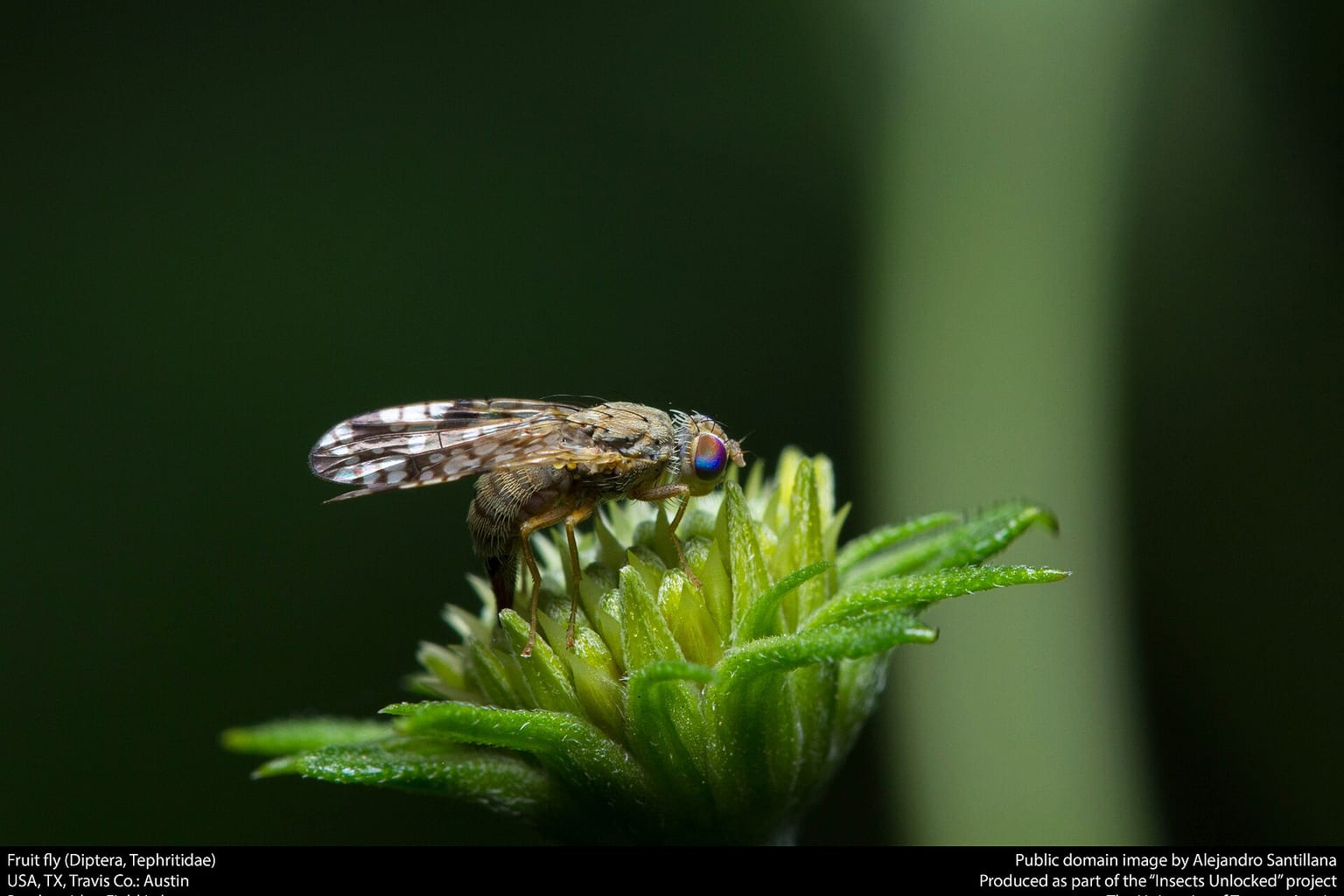
The human brain holds roughly 86 billion nerve cells, linked by trillions of connections, and neuroscientists increasingly turn to artificial intelligence (AI) to make sense of it. At Neuroscience 2026, the annual meeting of the Society for Neuroscience, held November 14 to 18 in Washington, D.C. and online, the link runs both ways. Guanglong Sun of Tsinghua University reports that studying artificial neural networks and fruit flies revealed a shared learning principle for forming flexible, robust memories.
Sun has also developed FlyPrompt, a brain-inspired method for continual learning, meaning AI that keeps learning new tasks without losing the old ones.
A second result concerns everyday lab work: a different kind of tool. Vivek Swarup of the University of California, Irvine presents a free, open-source AI tool that lets neuroscientists with no programming experience analyze complex genomic data by asking questions in plain English. The announcement gives no figures on accuracy or speed.
Not everyone is convinced that AI models explain the brain. A Dual Perspectives paper published November 11 in the journal JNS, by Bing Brunton, a computational neuroscientist at the University of Washington, and Patrick Mineault, makes the limit its central point: AI brain models predict well, but they cannot explain brains. For researchers, that gap matters as much as the gains.
For labs, the near-term change is in who can ask the questions: a plain-English tool could let neuroscientists without coding skills work with genomic data themselves. Data standards are the next piece. Oliver Ruebel of Lawrence Berkeley National Laboratory describes a community effort to build them together, which breaks down data silos and streamlines workflows. On Tuesday, November 17, experts will discuss how these standards lay the groundwork for the next generation of AI-powered neuroscience.
Sources — read the originals(Paris time)
Pages consulted while writing
Read next
Comments
Loading the thread…
Sign in to leave a comment. Sign in