Immune-cell map links nearly 1,500 genes to 16 diseases
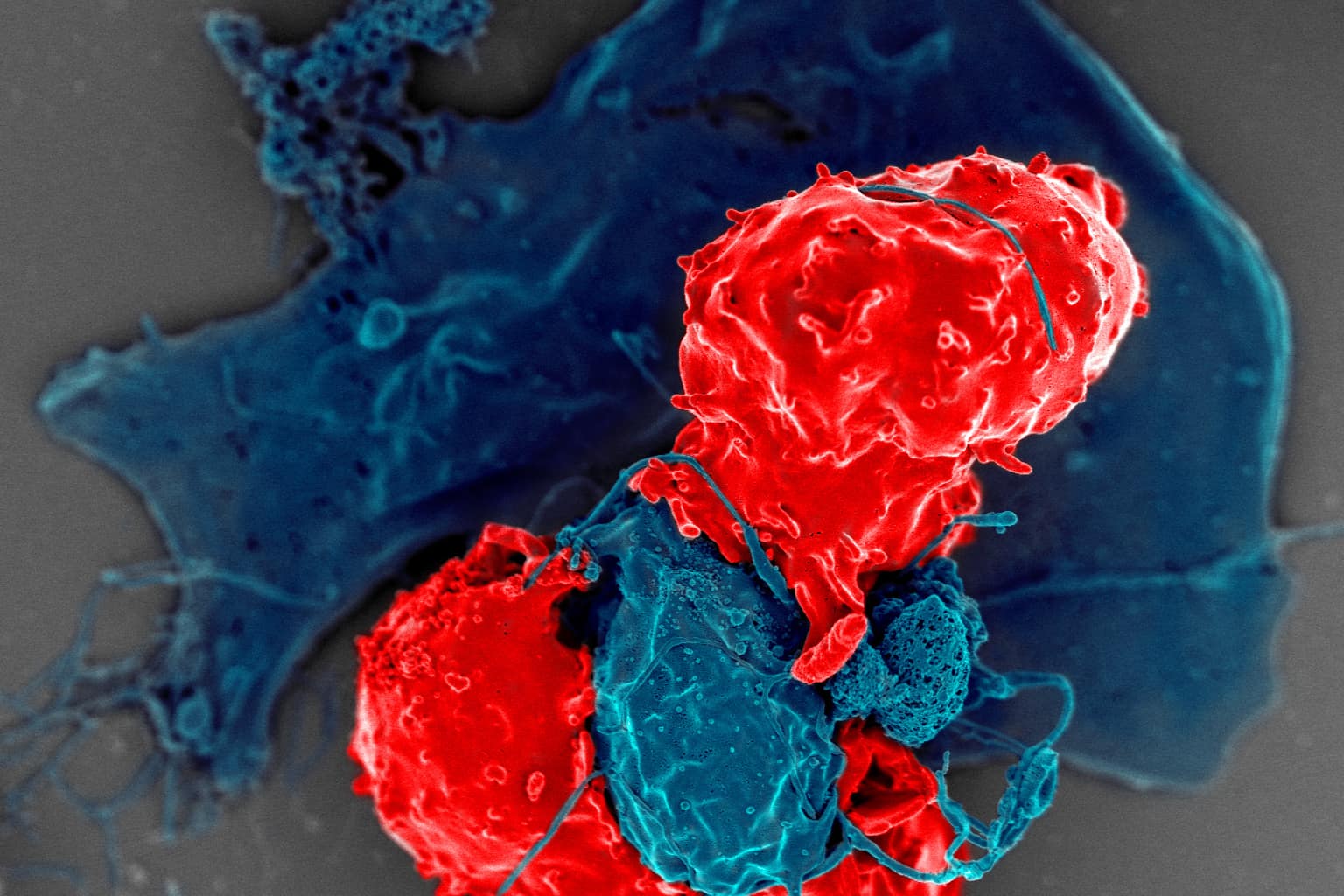
A genetic variant that raises the activity of one gene called OSM in natural killer immune cells increases the risk of irritable bowel disease. That single link, found by researchers at the Garvan Institute of Medical Research, is one of nearly 1,500 genes that a team of Australian scientists now connects to 16 diseases through specific immune cells. The work, with Murdoch Children's Research Institute, UNSW and other partners, appears in three studies published in Nature. Its authors say it could accelerate drug development and precision medicine across diseases ranging from cancers to immune and neurological conditions.
Reading DNA has become far easier over the past three decades, but explaining how differences in gene sequences lead to disease required data that were hard to produce and analyze one cell at a time. In the first phase of the TenK10K project, the team sequenced the genomes of nearly 2,000 Australians and measured gene activity in more than 5 million immune cells. They traced tens of millions of genetic variants to the cell types they act in, and linked them to 16 diseases and 44 blood characteristics. "Most of the biological mechanisms we uncovered were invisible to prior studies," said Powell, director of the Translational Genomics Program at Garvan and of the UNSW Institute for Genomics and Health.
The three studies each look at a different layer of gene regulation. The first maps how common and rare variants change gene activity in individual immune cell types: more than 180,000 effects across 21,000 genes, of which nearly 5,000 had not been linked to a genetic effect in the largest earlier study of whole blood. The second turns to tandem repeats, repetitive DNA sequences that regulate genes and occupy more genetic space than all protein-coding genes, and identifies more than 69,000 tandem repeat variants linked to changes in gene expression. The third looks at chromatin accessibility, which describes how open or tightly packed DNA is inside a cell. It links more than 240,000 variants to that openness and shows that it explains up to 23% more disease-linked genetic regions than gene activity alone.
For patients, the practical gain is a shorter list of suspects. Powell said that knowing which variant drives a disease, and in which cell, could help identify people likely to respond to a given treatment and reveal drug targets that were previously unknown. MacArthur, who co-led two of the three papers, said the data are already being used to build new tools for studying human biology. These are associations that point to possible causes, not proven mechanisms, and no drug has yet come from them; the next steps are to test these links further. The summary results are now freely available to other scientists and organizations.
The team says the next phase will significantly expand the project, which aims to map immune cells from 10,000 people, far beyond the nearly 2,000 Australians sequenced so far.
Sources — read the originals(Paris time)
Read next
Comments
Loading the thread…
Sign in to leave a comment. Sign in