Immune protein perforin kills tumor cells alone, in cells and mice
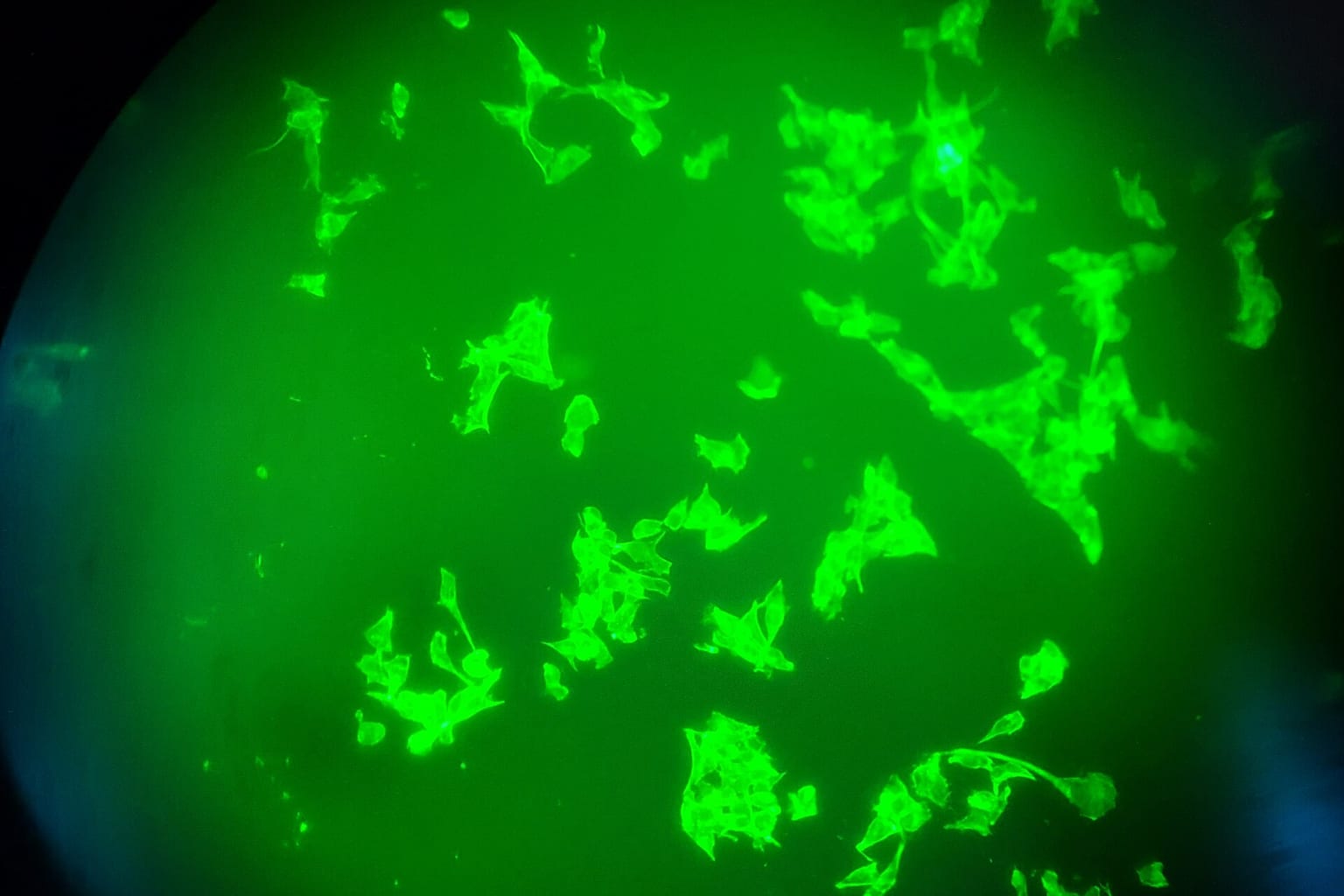
For decades, immunologists have described a two-step attack. Killer immune cells, the T cells and natural killer (NK) cells, release perforin, a protein that punches a hole in the membrane of a tumor cell. Granzymes, enzymes that slip through that breach, do the killing. In the team's words, perforin was the weapon and granzymes the ammunition. A study published in Cell in 2026 by researchers at the University of Michigan Health Rogel Cancer Center shows that the weapon can fire alone: tumor cells died even when the major granzymes were missing.
The mechanism is an iron trap. Perforin, according to the team, interferes with the target cell's iron uptake, so iron accumulates inside the cell, including in the mitochondria, the cell's energy-producing compartments. There, the excess iron rapidly oxidizes lipids, the cell's system goes haywire, and the tumor cell dies by ferroptosis, an iron-dependent form of death driven by lipid peroxides. Ferroptosis was formally introduced over a decade ago, so it is less understood than apoptosis, the death granzymes trigger, or pyroptosis, often caused by bacterial infection. Zou's group had already reported the immune system's role in ferroptosis in tumors in 2019.
The claim rests on three kinds of evidence. In cells, perforin without granzymes still killed cancer cells, with ferroptosis as the mechanism. In mice, animals fed an iron-rich diet had slower tumor progression linked to their perforin expression. In human data, cancer patients with higher perforin expression had improved survival and better responses to immune checkpoint blockade treatments. Kryczek says the findings show, for the first time, that perforin can independently induce ferroptosis in tumor cells.
What changes is the picture of how T cells and NK cells clear tumors, and with it a possible route to better treatment. Zou says that if researchers can understand what makes a tumor cell susceptible to perforin, they may be able to increase the effectiveness of immunotherapy. Earlier work showed that immune checkpoint blockade can enhance T cell-mediated ferroptosis, which makes it a likely avenue. Still, the team says it is mostly too soon to say what the clinical applications will be, and no timeline has been given.
Zou stresses caution. Some cancers thrive on iron, and for those tumors an iron-rich diet may speed progression, though the team does not yet know which ones. The next steps, the researchers say, are to dig deeper into the cell-death mechanism, test whether several death pathways work together, and push toward clinical applications.
Sources — read the originals(Paris time)
Read next
Comments
Loading the thread…
Sign in to leave a comment. Sign in