In a small study, AI links feeling cared for to well-being
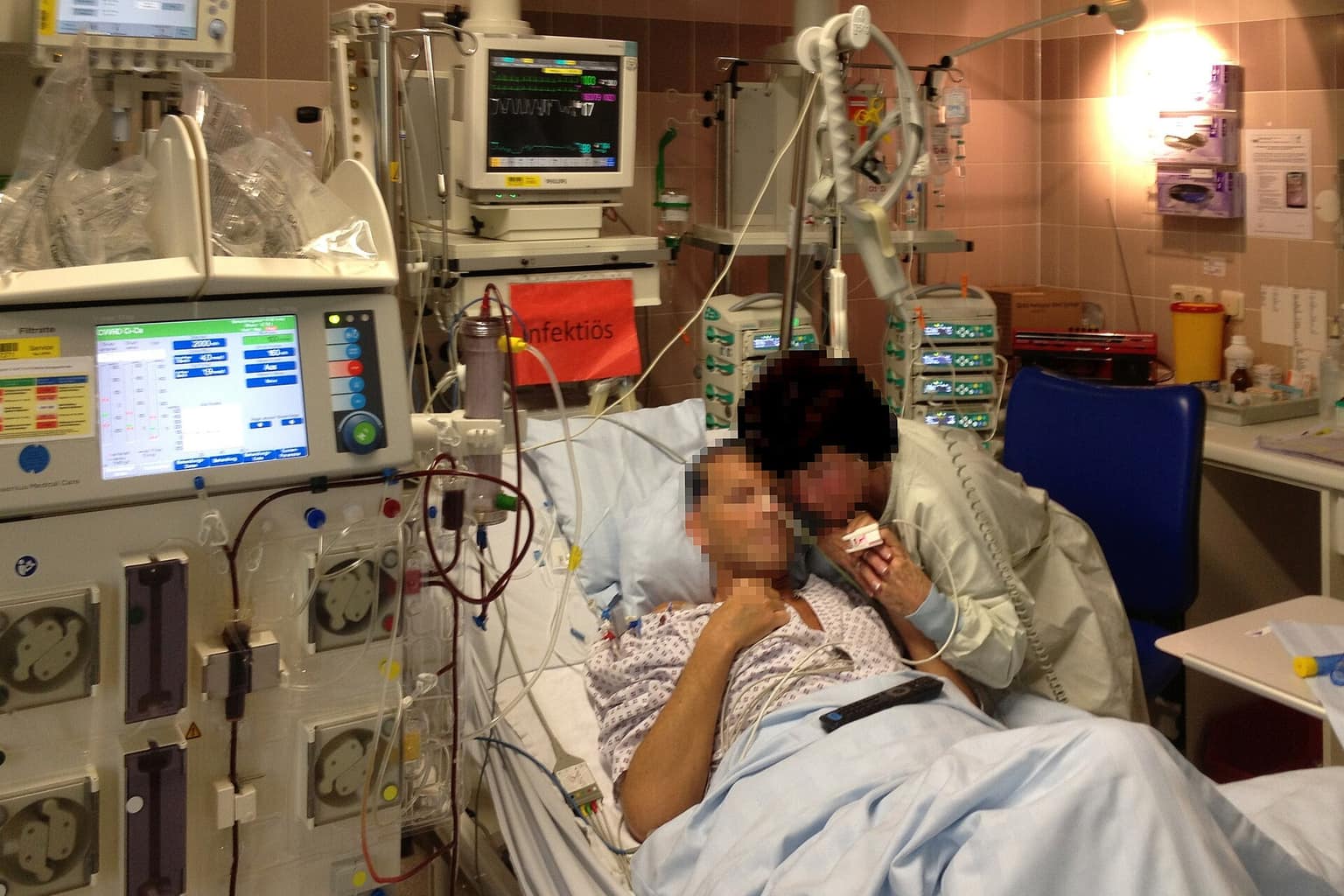
Waiting times, costs and clinical results are easy to count. Whether a patient feels heard, understood and genuinely cared for is much harder to put into a dashboard. A team at Flinders University, in Australia, has built a program that tries to measure exactly that. AWARE_AI, designed at the university, uses machine learning to examine how people's experiences of health care relate to their well-being.
The work builds on the Fundamentals of Care framework, which holds that good care depends on three connected elements: a supportive care environment, trusting relationships between patients and clinicians, and care that brings together people's physical, emotional and social needs. Earlier research in Australia and two larger Spanish studies, each involving more than 1,000 participants, had already shown how these elements are linked. AWARE_AI takes the next step by asking how those links extend to self-reported well-being.
Using survey responses from 36 Australian adults, the researchers found that more positive experiences of integrated, person-centered care were associated with more positive assessments of well-being, particularly how satisfied people felt with their lives. The study was published in the Journal of Advanced Nursing and conducted with experts in Australia, Denmark, Spain and Colombia. Lead researcher Dr. Maria Alejandra Piñero de Plaza, of the Caring Futures Institute, says the program's value lies in its method: it relies on established statistical and machine-learning techniques, and its analysis is designed to be transparent and reproducible, so other researchers can see how the findings were obtained and test them.
The team is equally clear about the limits. The small study showed that the approach was feasible and reproducible, but it could not reliably predict an individual person's well-being, and the findings show associations, not proof that one aspect of care causes another. Dr. Fernando Marmolejo Ramos, senior lecturer in psychology at Flinders University, puts it plainly: “Finding a pattern is not the same as proving what causes it.”
What changes is the kind of question services can ask. Piñero de Plaza believes that, once validated, the approach could help health care services evaluate the human side of care alongside the clinical and operational measures they already use. The next step is to test AWARE_AI in larger studies that follow people over time, to see whether changes in their experience of care come with changes in well-being. No date for those studies has been announced. “Artificial intelligence should help us understand and improve the care people receive,” she says, “not replace the relationships that make care possible.”
Sources — read the originals(Paris time)
Read next
Comments
Loading the thread…
Sign in to leave a comment. Sign in