In hamsters, hibernation shifts brain cells partly like in Alzheimer's
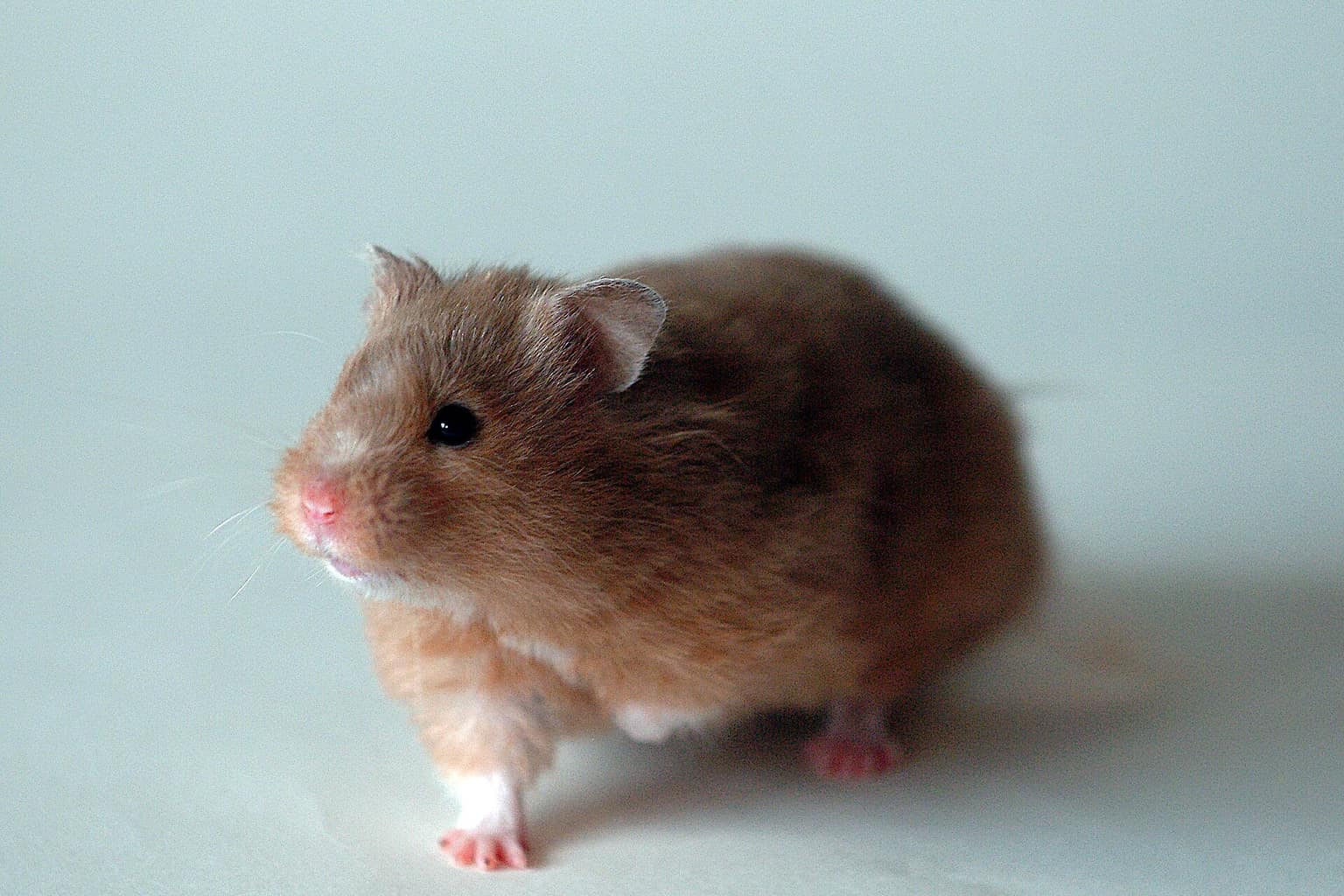
Hibernating golden hamsters offer an unexpected mirror of Alzheimer's disease. Researchers at VIB, the Flanders Institute for Biotechnology, and KU Leuven found that hibernation triggers changes in brain cells that partly resemble those seen in the disease. Working with golden hamsters, the team tracked gene activity across the hibernation cycle, before, during and after, and found that many of the shifts resembled those linked to the buildup of amyloid plaques. The study was published in Science Advances in November 2026.
Alzheimer's disease is marked by two kinds of damage in the brain: amyloid-β plaques, and tangles of tau protein carrying too many phosphate groups, a chemical tag that researchers call phosphorylation. Earlier work had shown that hibernation also changes tau this way, but reversibly, so the brain can return to its normal state. That reversibility is what makes hibernation a window into how the brain adapts to dramatic physiological change, and why the team wanted to know which biological processes are at work in hibernating brains.
The researchers examined the hippocampus, the brain area important for memory, and compared their data with information from people with Alzheimer's. They used single-cell RNA sequencing, a method that reads the genes active in each individual brain cell. Although tau is found mainly in neurons, the biggest changes were in microglia, the brain's immune cells. These cells activated inflammatory pathways that closely resemble those seen in the brains of people with Alzheimer's, a point that co-first author Pablo Largo-Barrientos described as striking. The researchers suggest that some responses linked to disease may also be part of a normal physiological response that could help protect the brain.
For now, the gain is for researchers. The study makes available the first single-cell atlas of a hibernating brain, a cell-by-cell map that lets other labs check how the genes and cell types they study change through hibernation, according to Largo-Barrientos. For people living with dementia, nothing changes yet. The team hopes that understanding how the brain adapts during hibernation could reveal mechanisms that lead to new approaches, and it has yet to be determined whether any hibernation-related genes could be used for treatment.
The limits are clear. Hamsters are not a complete model of Alzheimer's: an earlier study of aged hamsters found no detectable plaques or neurofibrillary tangles in their brains, so the animal reproduces some of the changes, not the disease as a whole. A separate study of hibernating golden hamsters reports that a temporary reduction in dendritic spines, the tiny connection points on nerve cells, in the hippocampus did not impair memory. The current work maps gene activity; it does not show which of the changes matter. Professor Patrik Verstreken of the VIB-KU Leuven Center for Neuroscience says the next step is to identify which pathways and cellular changes are most important, reproduce them experimentally, and investigate how they relate to what happens in the diseased brain.
Sources — read the originals(Paris time)
Pages consulted while writing
Read next
Comments
Loading the thread…
Sign in to leave a comment. Sign in