In lab tests, AI turns scrap impurities into stronger recycled iron
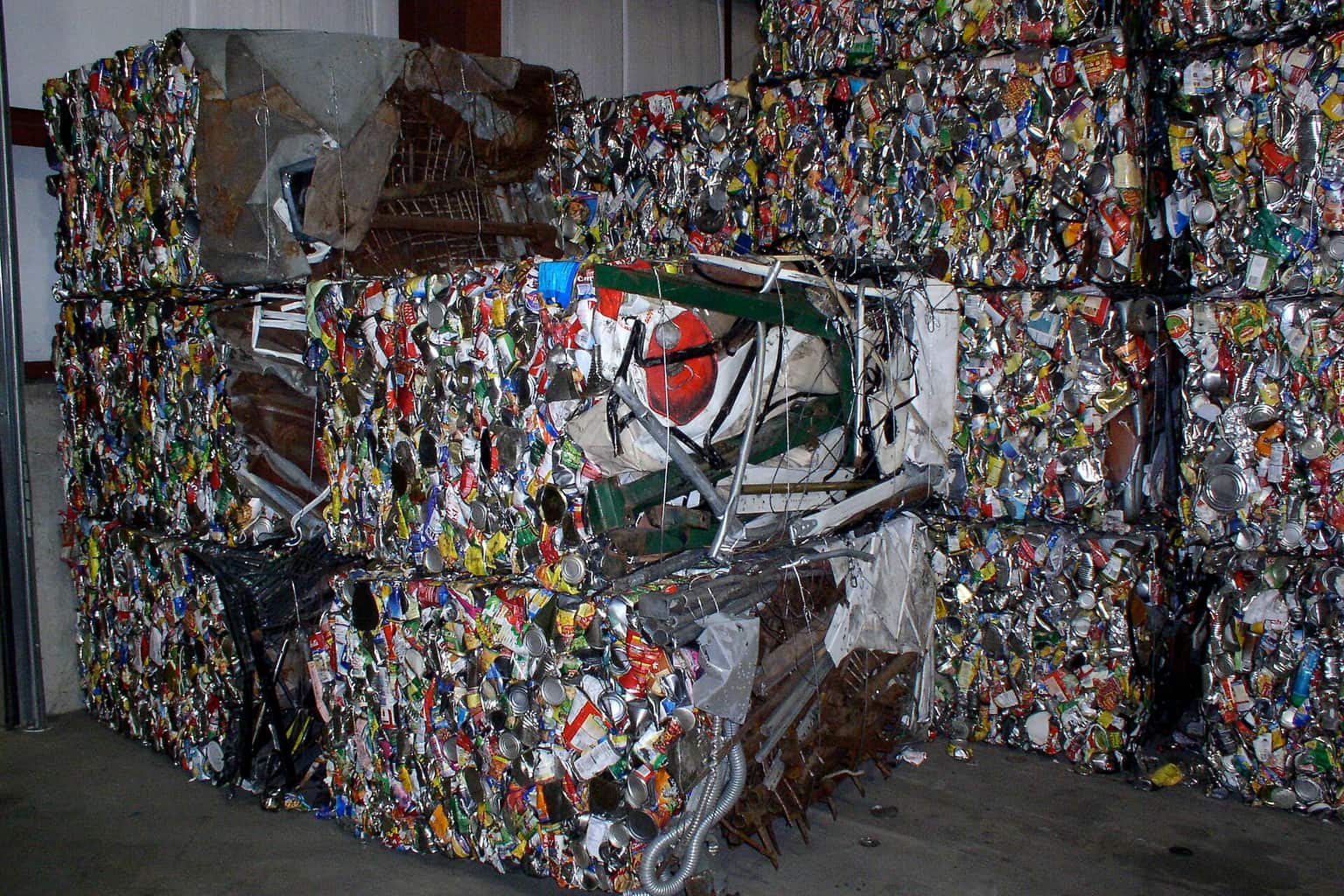
Around 2 billion metric tons of metal are produced worldwide each year, and much of that output still starts from primary raw materials. An international team has now shown that the impurities which spoil recycled scrap can be used as ingredients rather than removed. In laboratory tests on ductile iron, the resulting alloys reached up to 15.2% more tensile strength or up to 73.2% more elongation at fracture, depending on which property was held constant.
The problem the researchers attacked is an old one. Metal scrap varies widely in chemical composition and often contains unwanted elements, and those variations can compromise the mechanical properties of recycled alloys. The conventional fix is to dilute the impurities by adding virgin material. That works, but it erodes the case for recycling: producing virgin metal requires large amounts of energy and generates significant CO₂. Primary production is estimated to account for 40% of industrial greenhouse gas emissions and 10% of global energy consumption, which is why the authors see better recycling as a lever on both emissions and dependence on imported raw materials.
The method is a machine-learning loop. As Dr. Han puts it, the team wanted to turn "these impurities from a problem into an advantage." Starting from existing alloy designs, a tree-search algorithm generates new candidates by varying composition and processing parameters such as temperature and time. Neural-network models predict each candidate's tensile strength and elongation, and the search balances refining promising designs against exploring less-tested regions. A second model, trained on a larger composition-property dataset, screens the shortlist before the selected designs are cast and tested. The new results go back into the database, and the next round starts from there.
The test case was ductile iron, a material known for tolerating impurities. The team manufactured and tested 17 designs proposed by the framework. 14 of them ranked among the best combinations of strength and ductility in the existing recycled-iron dataset. Against that reference, the gains were up to 15.2% in tensile strength at comparable elongation, or up to 73.2% in elongation at fracture at comparable tensile strength. Manufacturing costs came in 8.1% lower than for the conventional route. The authors also report that alloys made entirely from scrap can outperform materials made by primary synthesis, with a lower environmental impact.
For producers who buy and melt scrap, the gain would be cheaper alloys that do not need virgin metal to be diluted, and for the wider economy a route to recycled steels, aluminum and copper alloys for transport, energy and manufacturing, since the authors say the framework could be extended beyond ductile iron. The study gives no timeline and no industrial partner. The next step the authors describe is a more autonomous system in which specialized AI agents coordinate design, experiment planning and process control, a direction they call promising but which is not reported as built. Until then, the figures remain those of a laboratory campaign, and reproducing them at foundry scale is the test still ahead.
Comments
Loading the thread…
Sign in to leave a comment. Sign in