In mice, removing one immune protein slows organ aging
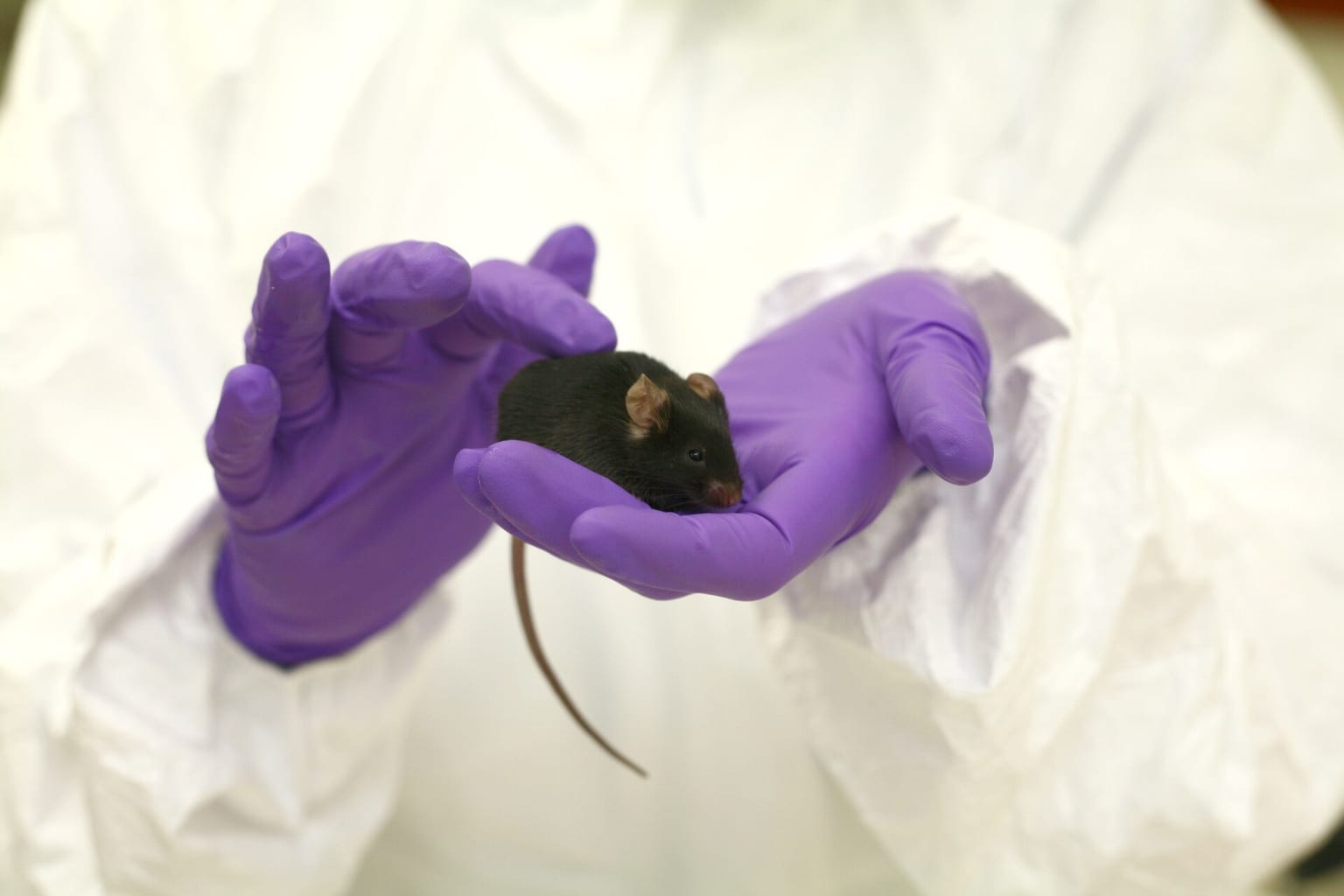
Kidney tissue from old mice looks very different when one protein is missing. In aged animals, the kidney's filtering units swell and deposit large amounts of inflammatory proteins. In mice lacking granzyme K, both effects are markedly reduced, a difference visible in the tissue sections the Monash team published with its study.
Granzyme K is produced by immune cells, and its levels rise significantly with age in both mice and humans. Its precise role in age-related organ damage, however, had remained unclear. The work was led by Professor Nicole La Gruta of the Monash Biomedicine Discovery Institute at Monash University, and it was published in the journal Immunity. Her team set out to test whether the protein actually drives the wear that accumulates in organs over a lifetime.
The answer, in mice, was yes. Older animals without granzyme K showed significantly improved heart function and reduced fibrosis, the scarring that can impair how well an organ works. Their livers and kidneys also showed fewer signs of age-related damage. The most striking result is that their immune systems continued to age normally. That challenges the long-held assumption, as La Gruta put it, that organ aging and immune aging are inextricably linked.
The human data are a first pointer rather than proof. The researchers found elevated levels of granzyme K in patients with several inflammatory and fibrotic diseases, including lupus nephritis and heart failure. La Gruta said further research is needed to determine the protein's role in age-related organ damage, and aging is one of the biggest risk factors for cardiovascular and kidney disease.
For now, no date and no treatment have been announced. The team is working on ways to selectively block granzyme K, to find out whether targeting it later in life, rather than from birth as in these mice, could protect organs in the same way. If it does, people with age-related heart and kidney disease would be the first to benefit, but the researchers have not yet shown that the same effect exists in humans.
Sources — read the originals(Paris time)
Read next
Comments
Loading the thread…
Sign in to leave a comment. Sign in