In the lab, MnO₂ slurry lifts manganese battery capacity 409%
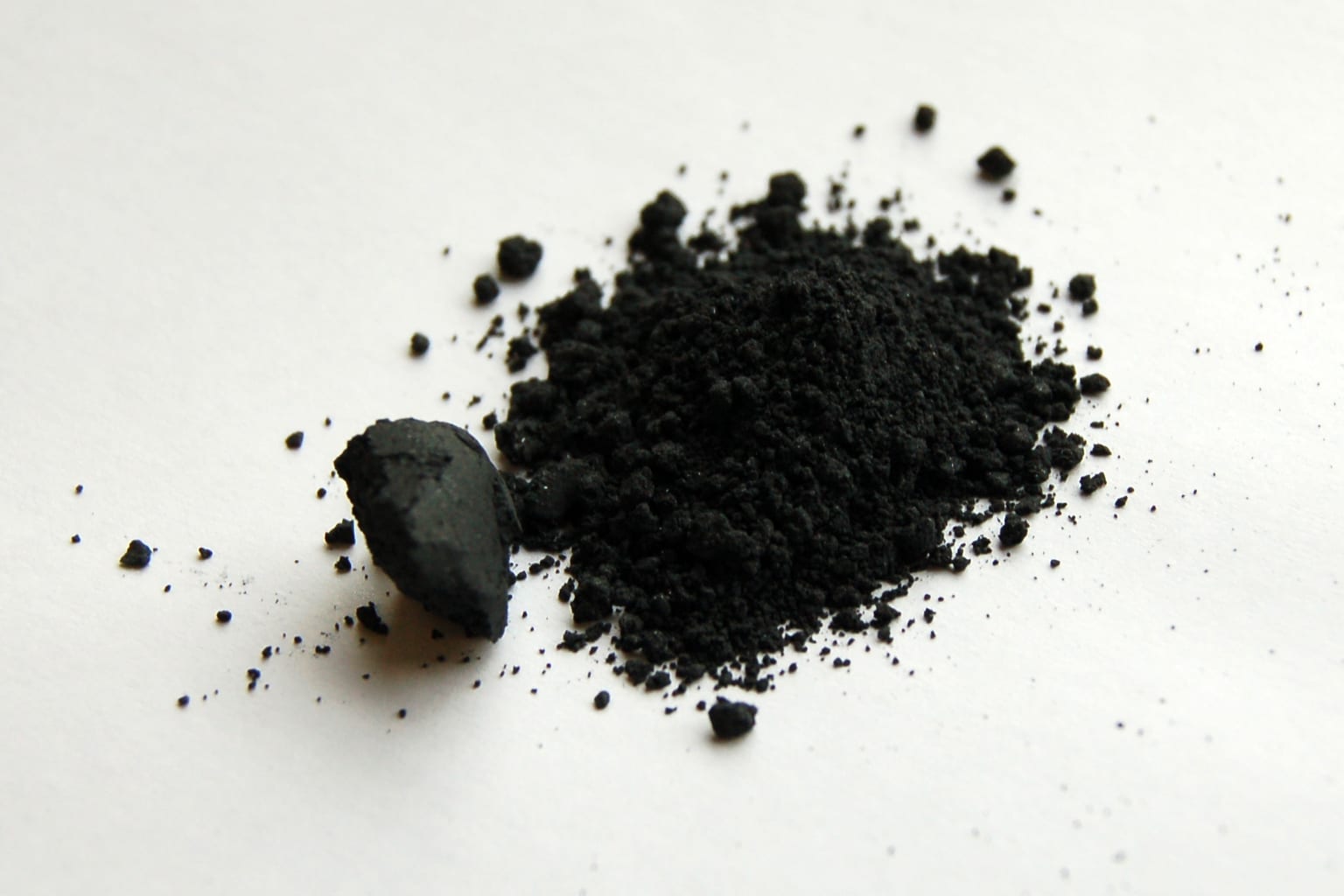
Manganese is cheap, abundant and considered environmentally safe, which is why it keeps coming back as a battery material. The problem is how little of it a conventional battery can use. A team at Shanghai University has found a way around that limit: in lab tests, its manganese battery stored 409% more capacity than the reported benchmark, which relied on manganese sulfate (MnSO₄) dissolved in the electrolyte.
Two limits had been stacking up. Dissolved manganese salts can only go so far before they stop dissolving, and that caps the energy a battery can hold. Solid manganese dioxide (MnO₂) carries more active material, but semi-solid flow batteries built around it have typically charged and discharged too slowly for high-rate use, because their chemical reactions are sluggish.
The fix is to add solid MnO₂ directly into the electrolyte instead of relying only on dissolved salts. During discharge, the solid is electrochemically converted into soluble Mn²⁺, so the battery reaches more active material without being held to the initial solubility limit. During charging, the MnO₂ shifts into a more reactive form that speeds the reactions. A slurry with 4 molar MnO₂ reached a soluble manganese concentration of 3.76 M and 156.2 Ah/L of storage capacity. At 30 mA per square centimeter, capacity stayed above 151 Ah/L, with energy efficiency above 71%. The researchers say these currents are 30 times those previously reported for MnO₂-based semi-solid redox flow batteries.
For grid operators and storage developers, what matters is that the base material is cheap and abundant. The researchers say the modifications could make these systems a suitable candidate for large-scale energy storage. No commercial timeline is given. The cycling test was run on a 1 M slurry, not the 4 M mix behind the headline figure: over 100 charge-discharge cycles, it kept about 99 percent Coulombic efficiency, a measure of how much of the charge put in comes back out, and 76 percent energy efficiency.
Capacity loss is not yet solved. The team says manganese crossover and particle buildup still reduce capacity, and further work is needed on both. The next step the researchers name is cutting that loss, which is what will decide whether a lab result of this size can leave the bench.
Sources — read the originals(Paris time)
Read next
Comments
Loading the thread…
Sign in to leave a comment. Sign in