In the lab, stem cells rebuild the earliest human placenta
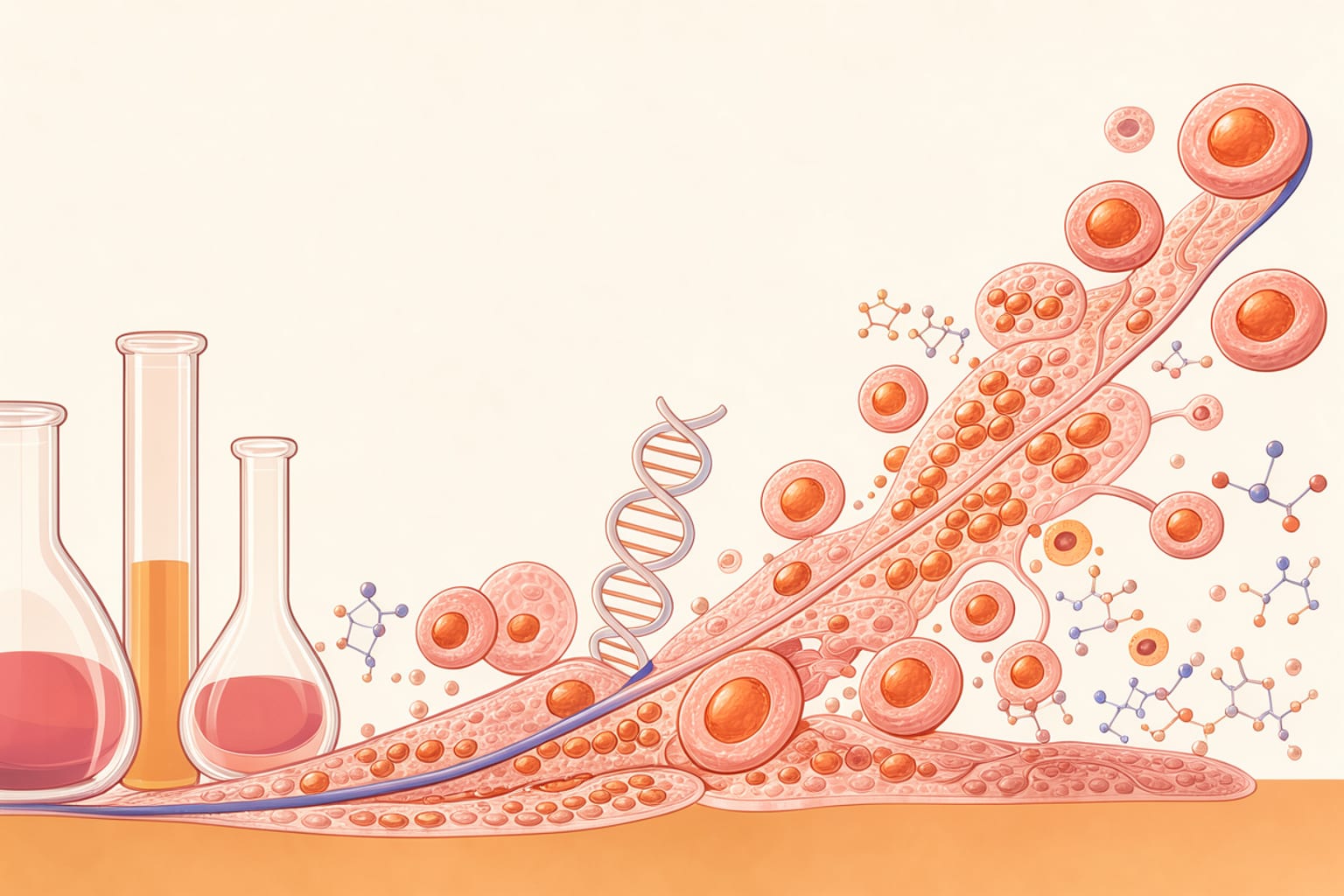
The first steps of a placenta happen inside the uterus, where nobody can watch them. In a Columbia University lab, Mijo Simunovic's team has now built a model that reproduces them in a dish, using human stem cells. The work is described in the current issue of Nature Cell Biology.
The story starts within days of fertilization, when the embryo makes its first 'cell fate' decision. Cells on its outer edge take on an 'extraembryonic' identity, and after implantation they form the chorion, the earliest structural foundation of the placenta. Mouse embryos and human embryos implant in very different ways, so the team had to model human-specific processes. Disruptions at this stage can contribute to implantation failure and to serious complications such as preeclampsia and fetal growth restriction.
The team drew on mouse studies showing that the Hippo signaling pathway also governs that first decision. They reset human pluripotent stem cells to a naive state, a more flexible starting point, then gave them a few biochemical nudges to suppress Hippo activity. After that, the cells' own developmental circuitry took over: within three weeks, the cultures produced the chorion's major cell types. Grown in three dimensions, they organized into the right chorionic layers and developed fluid-filled cavities resembling the placental lacunae, the spaces that normally connect with maternal blood vessels. A preprint of the same study had already been posted on bioRxiv, and a separate preprint describes a different route, a model derived from human blastocysts, toward the same tissue.
The limits are clear. What the team built is the chorion, the earliest layer of the placenta, not a full organ, and the results come from one research group. No clinical test has been developed, and the team presents diagnostics and therapies as the goal of the work rather than as a result.
For researchers studying why pregnancies fail early, the gain is a system they can observe step by step, instead of reconstructing events from tissue collected later. The lab's next step is to test which molecular signals, physical forces and cell-to-cell interactions drive the construction of the early placenta, and to study the first exchanges between the fetal and maternal sides of pregnancy. Those experiments will decide whether the model can eventually feed the diagnostic and therapeutic strategies the team hopes for.
Sources — read the originals(Paris time)
Pages consulted while writing
Read next
Comments
Loading the thread…
Sign in to leave a comment. Sign in