Intel Fab Spots Anomalies 30% Faster With Agentic AI
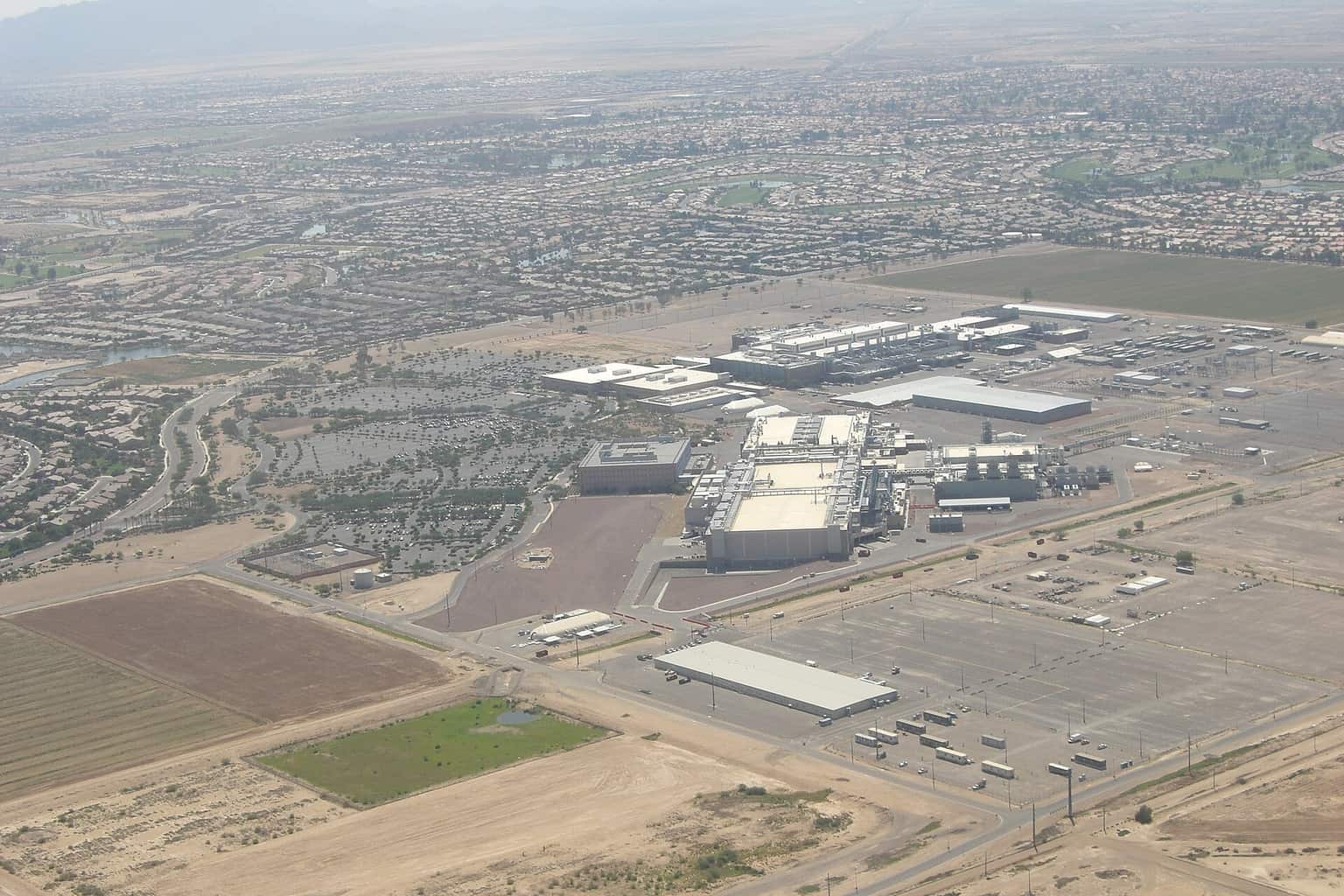
Engineers at Intel's fabs are changing how they respond when an anomaly alarm sounds. Previously, they had to open multiple screens and gather data line by line. According to The Electronic Times, over the past eight months Intel has applied agentic AI to manage core equipment at its semiconductor fabs, detecting anomalies 30% faster than before.
Agentic AI is an approach in which multiple AI agents share roles and a single coordinator directs them. Intel has entrusted this coordinator role to the Seeq platform. When an anomaly is flagged, the process moves automatically from root-cause analysis to drafting a work order. Related data, past similar cases and recommended actions are gathered in one place and delivered to the engineer. Once the engineer reviews and approves the content, the work order is finalized.
The systems covered are utilities such as ultrapure water, chillers, specialty gases and chemical supply. These systems do not make wafers directly, but a single failure often leads to wafer contamination or a halted line. Ultrapure water, where even trace impurities are unacceptable, makes quick detection of anomalies directly tied to yield, meaning the share of output that comes out as normal product.
The benefits go beyond detection speed. By automatically generating work orders, technicians' workload fell 15–20%, and more than 120,000 working hours a year were saved. At a chilled-water plant, energy efficiency improved by about 15%. Looking at a single case alone, the annual cost saving was about $7.5 million (about 10 billion won).
The most direct change falls on the engineers who manage the equipment. Seeq is connected to roughly 70 Intel systems across its sites worldwide, and it integrates 65 million to 70 million tags (time-series signal data) for immediate use. Currently, about 1,000 Intel engineers use the software each week. A Seeq representative explained that the platform does not build analytical models on engineers' behalf. Instead, it provides tools and guides so that engineers can build and improve models themselves. The collaboration began about three years ago, when Intel was looking for a self-service analytics platform, and it expanded toward agentic AI as AI adoption accelerated. The report includes no independent verification by outside organizations, and the figures are based on Intel and industry reporting.
Sources — read the originals(Paris time)
Read next
Comments
Loading the thread…
Sign in to leave a comment. Sign in