Keeping humans where they teach the AI: 84% of decisions automated
Over four years, a commercial vehicle manufacturer with annual revenues above 4 billion euros processed more than 475,000 order-related decisions. Researchers from Kühne Logistics University, Eindhoven University of Technology and Emory University went back through that record to find which decisions were improved by a human correction, and which were not.
Their paper, published in Production and Operations Management in 2025, starts from a practical tension. Automating everything speeds decisions up, but it cuts the flow of human corrections that keeps an algorithm accurate when conditions change. Kai Hoberg, Christina Imdahl and William Schmidt therefore propose a selective approach they call targeted automation. Their question was not who performs better, humans or AI, but when a human correction actually makes the next decision better.
The method runs in four steps. First, the team analyzes when human corrections to algorithmic recommendations lead to better decisions. Second, a model learns to predict when human expertise is likely to improve the outcome. Third, decisions where a person adds little are automated, and the rest stay in human hands. Fourth, human corrections are fed back into the system to refine the algorithm over time. Imdahl puts the key point this way: it is not simply about leaving difficult decisions to humans, but about predicting which decisions allow them to improve the system.
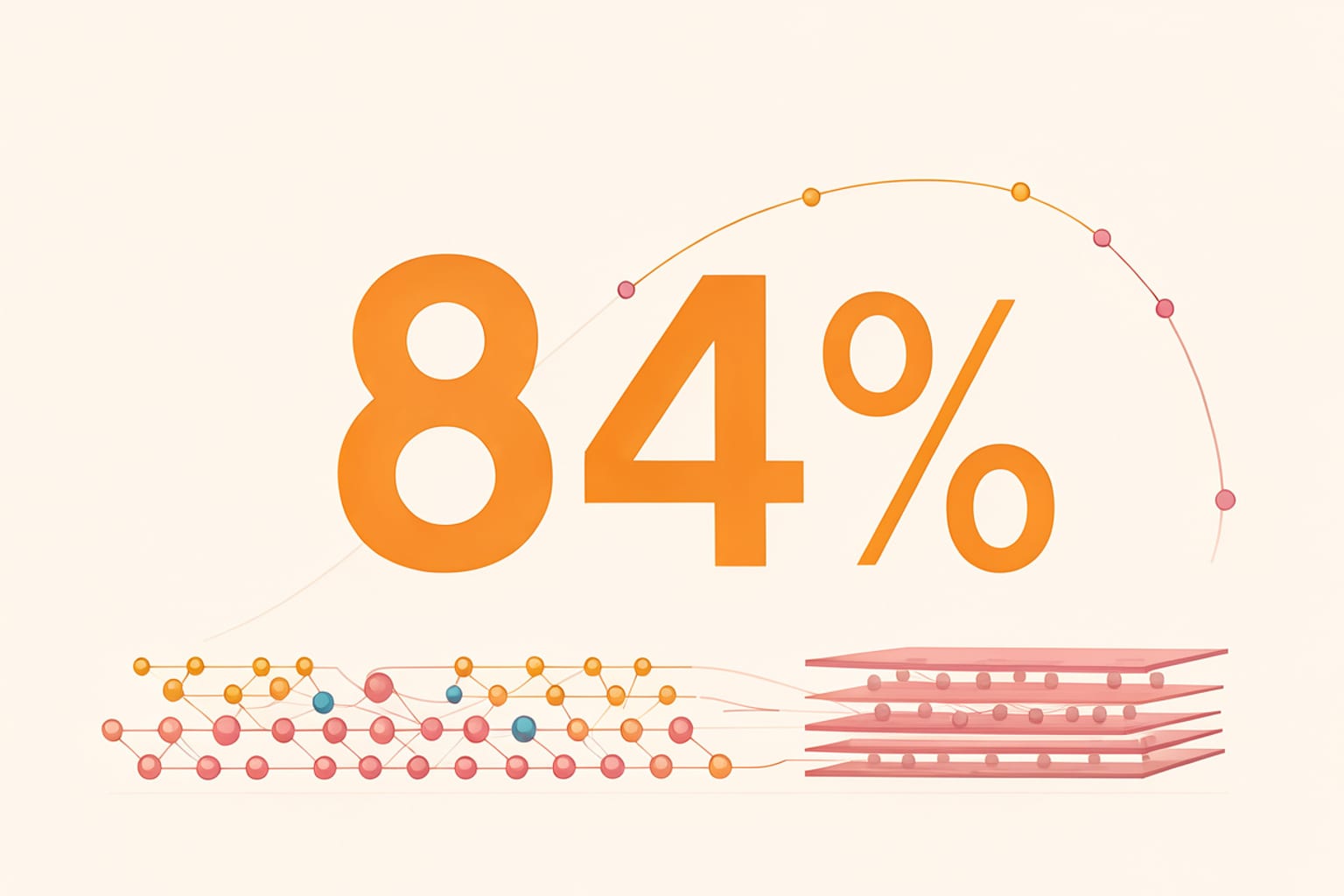
In the authors' analysis, about 84% of decisions could be automated. The remaining share kept people involved where their input could lead to better outcomes. Hoberg advises business leaders to start by establishing how to measure the added value of human intervention, which gives a basis for deciding which tasks to automate and where human expertise is still needed.
For businesses that make large volumes of routine decisions, the gain is twofold: short-term efficiency, since most routine decisions no longer wait for a person, and an algorithm that keeps learning, since the people kept in the loop feed their corrections back into it. Employees are relieved of repetitive tasks that add little value. The paper does not say how the approach would perform in other sectors or companies, and its figures come from one manufacturer, so the 84% is a result for that dataset rather than a general rate.
Sources — read the originals(Paris time)
Read next
Comments
Loading the thread…
Sign in to leave a comment. Sign in